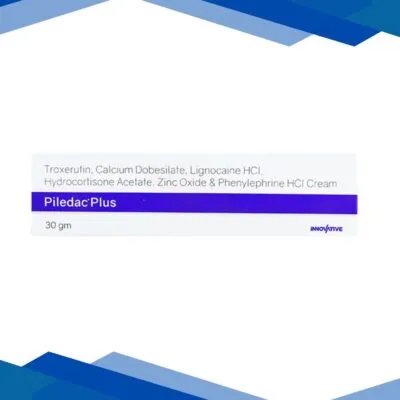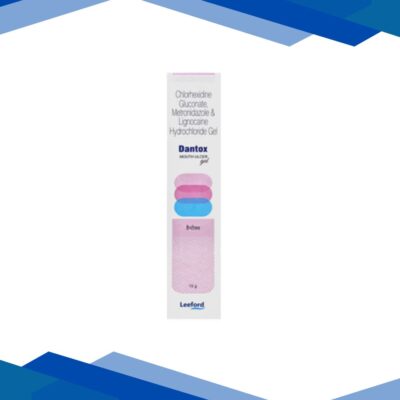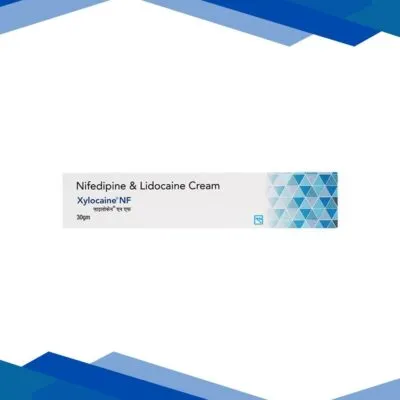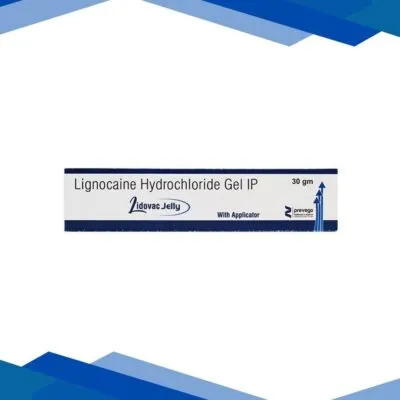

Prilox Cream 30gm
No Prescription yet? Don’t worry! Click Here to Get Online Consultation
**Benoxonium Chloride + Lidocaine** is a combination medication commonly used for the relief of pain, irritation, and infection in the mouth and throat. Benzoxonium chloride acts as an antiseptic that helps kill or inhibit the growth of bacteria and other microorganisms, while lidocaine is a local anesthetic that temporarily numbs the affected area to reduce pain and discomfort. This combination is often found in lozenges, sprays, or topical preparations used to manage sore throat, minor oral infections, and inflammation of the mucous membranes.
Lignocaine
Lidocaine oral solution / oral gel
Lidocaine oral solution / oral gel are considered as having a topical action in terms of the nerve passage blockage with following analgesia. Lidocaine, also known as lignocaine, was given in a milder concentration for the relief of anesthetic discomfort in minor dentistry-related forasts and wound treating medicines of home-care nature. Or alternatively the embedded, painful or hurtful lesions with wax-like medicines. Topically administrated medicines fail to be throngs of candidates except for skin itching, sunburn pain, burning, stings live up to article bites. Lidocaine is of greater value to stay on the shelves for some time.
Appropriate Uses
Local Anesthesia: Quick onset as the skin or mucous membrane goes in numbness and fades with application, thus amplifying the good.
Surface Analgesia: Helps relieve pain, albeit the temporary pain associated with minor burns, sunburn bites, or cracks of the skin.
Dental Aid: Used frequently on oral gels for oral ulcers or teething pain and oral soreness under close medical observation.
Post-Operative Relief: Help relieve discomfort during the healing phases of localized superficial wounds.
Proctology Relief: Generally used as an effective agent in ointments for symptoms of hemorrhoids (piles) and anal fissures.
Characteristics
Rapid Onset: Localized relief of symptoms takes place within about 2-5 minutes after application.
Pinned Down Action: Anesthetizing an area ensures no effect on the rest of the body.
Formulations of Different Kinds: It comes in various formulations such as gels, sprays, ointments, and patches to meet different clinical needs.
How to Take
Prepare the Area: Thoroughly clean and dry the area to be treated.
Application: Gently rub a thin layer of the ointment or spray onto the affected area, as per the advice of the medical professionals.
Take the Principle of Dosage: Follow the instructions regarding the quantity strictly. Using excessive amounts on a wide area of the skin may permit systemic absorption of the drug.
Wash Your Hands! Just in case: Remember to wash your hands after applying unless the hands are the area being treated.
Never ignore any potential side effect or bogus safety of using this product.
Lignocaine is usually safe when used in accordance with the instructions, yet it might cause issues in some persons:
- Temporary redness or swelling in the area it is applied to.
- A little bit of burning or stinging.
- The appearance of paleness or local itching.
When an application of lignocaine causes dizziness, blurred vision, or a severe fall in working heart rate, an urgent medical consultation is in order; this is a warning sign of systemic toxicity.
Cautions
If you have a history of hypersensitivity to amide-type local anesthetics, then it is not safe to use Lignocaine.
These applications are prohibited by the manufacturer: Wounds: these are deep wounds. Damaged skin: injuries and sores significantly damaged by infections and blisters.
DO NOT let it touch your eyes and inside the ears. If it does come into contact, rime with water.
Consult your doctor about its use during pregnancy. Lignocaine should be used in pregnancy only if it is absolutely necessary.
Frequently Asked Questions (FAQs)
Q: How long will Lignocaine numb me?
The numbing effects usually last between 30 to 60 minutes, although the durations may vary according to the concentrations of the product and the location in which they are used.
Q: Can I use Lignocaine to act on a toothache?
Lignocaine might be incorporated in some oral gels. However, it is important to ensure that the product is designed for use in dentistry. Do not apply any over-the-counter skin creams or sprays into the mouth.
Q: Can one apply Lignocaine before tattooing?
Sometimes, vibratablum was used to perform pain-reducing procedures on tattoos but excessively applied, discoloring skin hue and killing healing tissue. It is important to discuss this with a professional who is providing your treatment.
Q: What should I do if I swallow some of the gel accidentally?
If the gel is only used in a small amount, little or no harm will be done; however, in those cases where a large amount of skin cream has been swallowed, calling the poison control center or the emergency room is advisable.
Make sure you do not cover the area with an occlusive dressing, a kind of membrane that is airtight, unless your doctor specifically tells you to, in order to increase the absorption of the medicine through the skin.
Prilocaine
Prilocaine: A Versatile Local Anesthetic for Minor Procedures
Inside the armamentarium of local anesthetics, prilocaine is an outstanding member of the amide group. There is a widespread employment of prilocaine in clinical and ambulatory settings for temporarily blocking nerve transmission to specific areas of the body, thus making minor medical, dental, and cosmetic procedures more bearable.
The Process
Prilocaine acts by stabilizing the nerve cell membrane. It inhibits the flow of sodium ions across the cellular membrane of the nerve—a vital step in initiating and propagating electrical impulses. Blocking these impulses prevents acute pain signals from registering in the cerebrum, resulting in loss of sensation in the targeted area. It is often preferred because it causes comparatively less vasodilation, making its onset and duration more predictable.
Immediate Advantages
Directing Anesthetic Sensations: Provides profound numbing in the targeted area without affecting consciousness.
Quick Start: Acts rapidly when applied topically or via injection, reducing waiting time before procedures.
Multiple Formulations: Available as injectable solutions for dental or surgical use and as topical creams (often combined with Lidocaine) for minor skin procedures.
Safety Profile: Known for a relatively lower risk of cardiovascular side effects compared to some other local anesthetics.
Common Applications
1. Dental Procedures: Used in local infiltration or nerve blocks for dental fillings and minor extractions.
2. Surface Anesthetic Use: Applied topically to numb the skin before injections, blood sampling, or minor skin procedures.
3. Minor Surgeries: Used for regional anesthesia in small surgical procedures involving the skin or limbs.
Frequently Asked Questions (FAQs)
1. What is the duration for the numbness attributed to Prilocaine?
The duration depends on the method of administration. With injection, numbness usually lasts 1 to 3 hours, while topical use may provide numbness for about 1 to 2 hours after removal.
2. Does Prilocaine suit everyone?
Prilocaine is generally safe, but individuals with rare blood disorders like methemoglobinemia, or severe liver or kidney conditions, should use it cautiously. Always inform your doctor about your full medical history.
3. Will I feel anything during the procedure?
You may not feel pain, but a sense of pressure or movement can still be experienced. Inform your doctor if you feel sharp pain so adjustments can be made.
4. Can I eat or drink soon after a dental procedure?
Wait until the numbness has completely worn off. Eating too soon may cause accidental biting of the lips, tongue, or cheeks, or burns from hot foods.
5. Are there any common side effects?
Mild local reactions such as swelling, redness, or tingling as the anesthesia wears off are common. Serious side effects are rare when used at appropriate doses under professional supervision.
At Gem Pharmacy, we make every effort to provide accurate, expert-written, and thoroughly reviewed information related to medicines. However, this information should not be considered a substitute for professional medical advice, diagnosis, or treatment from a qualified doctor.
The purpose of this information is to educate users and improve communication between patients and healthcare professionals. It should not be used to diagnose or treat any condition.
Always consult a certified healthcare professional before taking any medication.


Related products