
Showing all 7 resultsSorted by popularity
Filter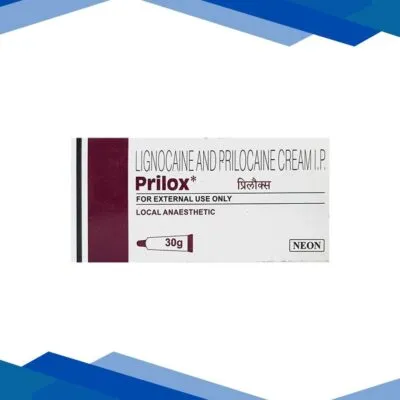
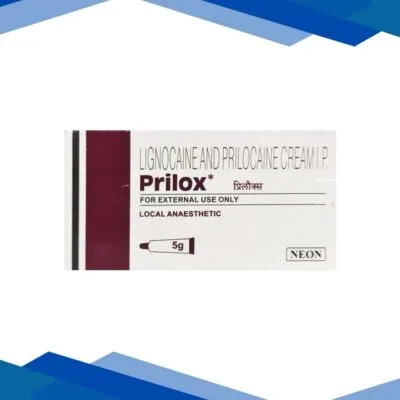
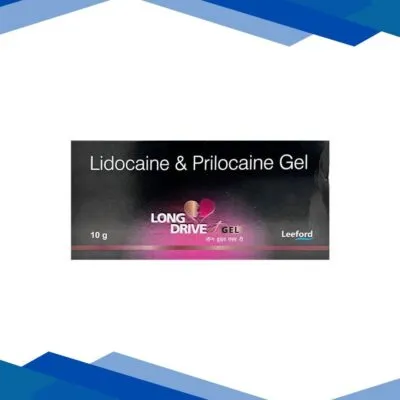
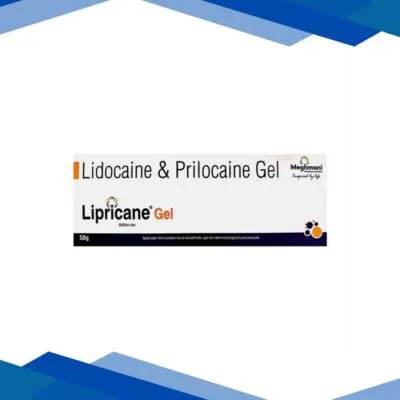
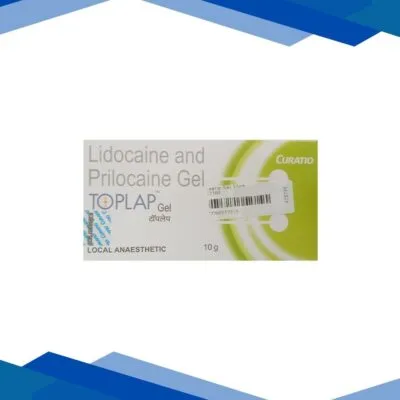
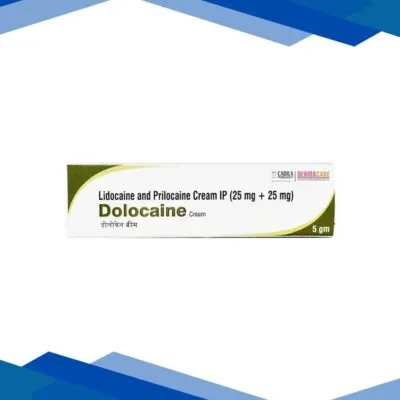
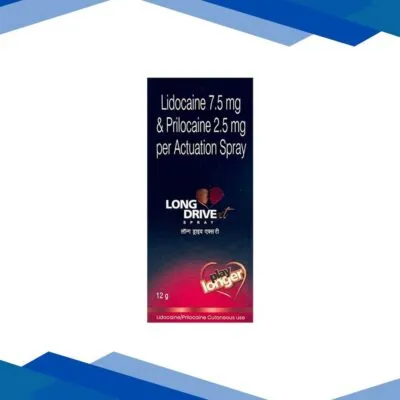
Prilocaine: A Versatile Local Anesthetic for Minor Procedures
Inside the armamentarium of local anesthetics, prilocaine is an outstanding member of the amide group. There is a widespread employment of prilocaine in clinical and ambulatory settings for temporarily blocking nerve transmission to specific areas of the body, thus making minor medical, dental, and cosmetic procedures more bearable.
The Process
Prilocaine acts by stabilizing the nerve cell membrane. It inhibits the flow of sodium ions across the cellular membrane of the nerve—a vital step in initiating and propagating electrical impulses. Blocking these impulses prevents acute pain signals from registering in the cerebrum, resulting in loss of sensation in the targeted area. It is often preferred because it causes comparatively less vasodilation, making its onset and duration more predictable.
Immediate Advantages
Directing Anesthetic Sensations: Provides profound numbing in the targeted area without affecting consciousness.
Quick Start: Acts rapidly when applied topically or via injection, reducing waiting time before procedures.
Multiple Formulations: Available as injectable solutions for dental or surgical use and as topical creams (often combined with Lidocaine) for minor skin procedures.
Safety Profile: Known for a relatively lower risk of cardiovascular side effects compared to some other local anesthetics.
Common Applications
1. Dental Procedures: Used in local infiltration or nerve blocks for dental fillings and minor extractions.
2. Surface Anesthetic Use: Applied topically to numb the skin before injections, blood sampling, or minor skin procedures.
3. Minor Surgeries: Used for regional anesthesia in small surgical procedures involving the skin or limbs.
Frequently Asked Questions (FAQs)
1. What is the duration for the numbness attributed to Prilocaine?
The duration depends on the method of administration. With injection, numbness usually lasts 1 to 3 hours, while topical use may provide numbness for about 1 to 2 hours after removal.
2. Does Prilocaine suit everyone?
Prilocaine is generally safe, but individuals with rare blood disorders like methemoglobinemia, or severe liver or kidney conditions, should use it cautiously. Always inform your doctor about your full medical history.
3. Will I feel anything during the procedure?
You may not feel pain, but a sense of pressure or movement can still be experienced. Inform your doctor if you feel sharp pain so adjustments can be made.
4. Can I eat or drink soon after a dental procedure?
Wait until the numbness has completely worn off. Eating too soon may cause accidental biting of the lips, tongue, or cheeks, or burns from hot foods.
5. Are there any common side effects?
Mild local reactions such as swelling, redness, or tingling as the anesthesia wears off are common. Serious side effects are rare when used at appropriate doses under professional supervision.