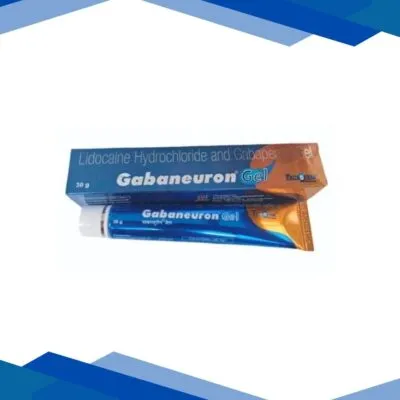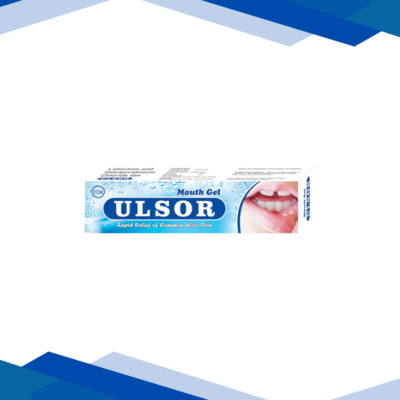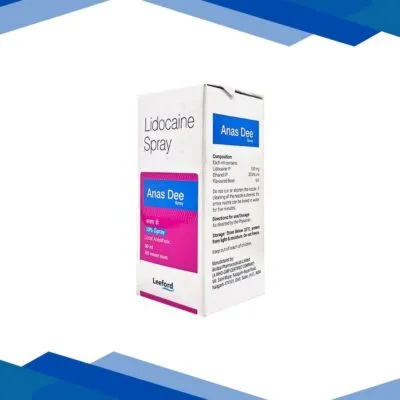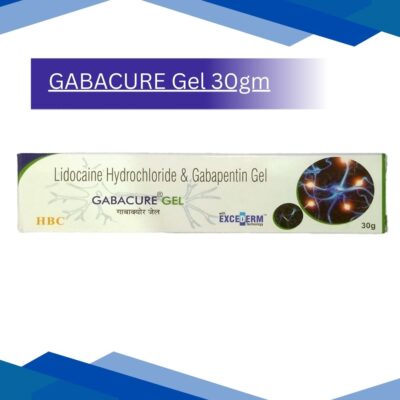

LIPRICANE Gel 50g
No Prescription yet? Don’t worry! Click Here to Get Online Consultation
**Benoxonium Chloride + Lidocaine** is a combination medication commonly used for the relief of pain, irritation, and infection in the mouth and throat. Benzoxonium chloride acts as an antiseptic that helps kill or inhibit the growth of bacteria and other microorganisms, while lidocaine is a local anesthetic that temporarily numbs the affected area to reduce pain and discomfort. This combination is often found in lozenges, sprays, or topical preparations used to manage sore throat, minor oral infections, and inflammation of the mucous membranes.
Lidocaine
Lidocaine (Topical/Injectable)
Lidocaine is a local anesthetic drug with multifarious uses for causing some temporary form of numbness or loss of feeling in a specific area. Its effect is completed by blocking the nerves to transmit 'pain' signals to the brain. It is essential for current pain management, meaning that it largely treats minor skin injuries using a topical gel and provides anesthesia for minor surgeries upon injectable administration.
Principal Applications:
Skin Numbing: Good for minor burns, insect bites, or scrapes.
Leading-edge Applications: Often used before injections, tattoo needles, and catheterization to minimize pain.
Dental Signs: For application, gels help to soothe sores or relieve dental work discomfort.
Surgery Use: Used by specialists to numb an area for suturing or for small cytological examination.
How to Apply (Topical)
Clean Site: Wash and dry the affected skin before applying the cream or gel.
Thin Layer: Apply only on the area that needs treatment; never apply over a large area of the body.
Hands on: Washing hands is important right after application to keep the medicine away from the eyes or mouth.
Dosage: Follow your prescription regarding how often it has to be used. Excessive usage permits systemic absorption, a potentially serious occurrence.
Precautions
Word of Warning: Lidocaine should never be placed on open, blistered, or 3rd-degree burned areas unless the physician tells you so. Also avoid tight bandaging or heating pads over the treated area, as this may increase drug absorption into the bloodstream.
Heart Physiology: If you have a history of arrhythmia or other heart conditions, consult your doctor before use.
Hepatic Cases: Patients with liver disease should use Lidocaine with care, as it is metabolized in the liver.
Allergies: Check for sensitivity to "amide-type" local anesthetics before use.
Possible Side Effects
- Mild redness, swelling, or irritation at the site of application
- Brief stinging or burning sensation
- Pallor (lightening of skin) at the application site
If anyone experiences severe dizziness, blurred vision, or ringing in the ears, it may be a sign of toxicity. Seek immediate medical assistance.
Frequently Asked Questions (FAQs)
Q: How Long Does It Take for Lidocaine to Take Effect?
A: With topical gels and creams, a numbing sensation usually begins within 2 to 5 minutes. The peak effect is achieved in about 15–30 minutes.
Q: Can I Use Lidocaine for a Sore Throat?
A: Use only specific oral Lidocaine viscous solutions for throat pain. Do not use skin creams or gels inside the mouth or throat.
Q: Is It Safe to Use Lidocaine Every Day?
A: Lidocaine should be used only as directed by your doctor. Avoid unnecessary or prolonged use.
Q: When should I avoid using Lidocaine?
A: Avoid long-term use without medical advice. If symptoms persist, consult a physician.
Q: Is there any time-limit for the consumption of Lidocaine?
A: It should not be used daily for extended periods, as side effects may accumulate with prolonged use.
Prilocaine
Prilocaine: A Versatile Local Anesthetic for Minor Procedures
Inside the armamentarium of local anesthetics, prilocaine is an outstanding member of the amide group. There is a widespread employment of prilocaine in clinical and ambulatory settings for temporarily blocking nerve transmission to specific areas of the body, thus making minor medical, dental, and cosmetic procedures more bearable.
The Process
Prilocaine acts by stabilizing the nerve cell membrane. It inhibits the flow of sodium ions across the cellular membrane of the nerve—a vital step in initiating and propagating electrical impulses. Blocking these impulses prevents acute pain signals from registering in the cerebrum, resulting in loss of sensation in the targeted area. It is often preferred because it causes comparatively less vasodilation, making its onset and duration more predictable.
Immediate Advantages
Directing Anesthetic Sensations: Provides profound numbing in the targeted area without affecting consciousness.
Quick Start: Acts rapidly when applied topically or via injection, reducing waiting time before procedures.
Multiple Formulations: Available as injectable solutions for dental or surgical use and as topical creams (often combined with Lidocaine) for minor skin procedures.
Safety Profile: Known for a relatively lower risk of cardiovascular side effects compared to some other local anesthetics.
Common Applications
1. Dental Procedures: Used in local infiltration or nerve blocks for dental fillings and minor extractions.
2. Surface Anesthetic Use: Applied topically to numb the skin before injections, blood sampling, or minor skin procedures.
3. Minor Surgeries: Used for regional anesthesia in small surgical procedures involving the skin or limbs.
Frequently Asked Questions (FAQs)
1. What is the duration for the numbness attributed to Prilocaine?
The duration depends on the method of administration. With injection, numbness usually lasts 1 to 3 hours, while topical use may provide numbness for about 1 to 2 hours after removal.
2. Does Prilocaine suit everyone?
Prilocaine is generally safe, but individuals with rare blood disorders like methemoglobinemia, or severe liver or kidney conditions, should use it cautiously. Always inform your doctor about your full medical history.
3. Will I feel anything during the procedure?
You may not feel pain, but a sense of pressure or movement can still be experienced. Inform your doctor if you feel sharp pain so adjustments can be made.
4. Can I eat or drink soon after a dental procedure?
Wait until the numbness has completely worn off. Eating too soon may cause accidental biting of the lips, tongue, or cheeks, or burns from hot foods.
5. Are there any common side effects?
Mild local reactions such as swelling, redness, or tingling as the anesthesia wears off are common. Serious side effects are rare when used at appropriate doses under professional supervision.
At Gem Pharmacy, we make every effort to provide accurate, expert-written, and thoroughly reviewed information related to medicines. However, this information should not be considered a substitute for professional medical advice, diagnosis, or treatment from a qualified doctor.
The purpose of this information is to educate users and improve communication between patients and healthcare professionals. It should not be used to diagnose or treat any condition.
Always consult a certified healthcare professional before taking any medication.


Related products