
TRIRISE Shampoo 100ml
No Prescription yet? Don’t worry! Click Here to Get Online Consultation
Acetic Acid is a mild organic acid commonly used in medical and pharmaceutical preparations for its antibacterial and antifungal properties. It is often used in topical treatments to help manage infections such as Otitis externa and to maintain an acidic environment that prevents the growth of harmful microorganisms. Acetic acid may also be used in diluted form for cleansing and antiseptic purposes.
Acetic Acid
Acetic Acid 2% Otic Solution
Acetic Acid 2% Ear Drops is a specially made non-aqueous otic (ear) solution, mainly prescribed to manage superficial infections of the external ear canal. It has strong antibacterial and antifungal action, and it works well for acute problems like Otitis Externa, often called Swimmer’s Ear.
Therapeutic Class: Otologicals (Ear Preparations)
Action Class: Topical Antiseptics / Disinfectants
Common Strengths: 2% w/v Otic Solution
Habit-Forming: No
Prescription Required: Yes (Rx)
Key Benefits & Clinical Uses
1. Cuts Down Microbial Overgrowth
Acetic Acid changes the local chemical setting inside the ear canal. It stops Gram-positive and Gram-negative bacteria along with opportunistic fungal organisms from multiplying, which often lead to outer ear tenderness.
2. Brings Back Natural pH Balance
The external auditory canal already keeps a mildly acidic state to discourage germs. When moisture builds up (after swimming or in humid weather) this protection weakens. Acetic Acid helps bring the low pH back, creating a less friendly environment for harmful microbes.
3. Eases Local, Uncomfortable Symptoms
By focusing on the source of the infection, this topical medicine helps reduce localized inflammation and can lessen clear fluid discharge, redness, persistent itching, and swelling inside the outer ear.
How It Works
Medical-grade Acetic Acid works as an organic acidifying agent. Once instilled in the external ear canal, it quickly drops the surface pH into an acidic range (about pH 3.0). Many bacteria and fungi prefer an alkaline or neutral medium to grow.
This solution interferes with microbial cell membrane integrity and blocks enzyme activity, which helps neutralize the infection without depending on traditional systemic antibiotics.
Steps for Proper Administration
To keep things safe and avoid introducing extra contamination, follow these steps:
Clean the Area:
Lightly wipe any visible crusting or discharge from the outer ear using a clean damp cloth. Do not put cotton buds inside the canal.
Warm the Bottle:
Keep the container between your palms for 1 to 2 minutes. Cold drops can trigger the caloric reflex, leading to temporary dizziness or vertigo.
Correct Positioning:
Tilt your head or lie on your side with the affected ear facing up.
Application:
Hold the dropper near the ear opening. Make sure the nozzle does not touch the ear canal, your fingers, or any other surfaces. Squeeze the prescribed dose in, usually 3 to 5 drops for adults.
Dwell Time:
Stay in that side-lying position for around 2 to 3 minutes so the liquid can move down toward the eardrum. If your ENT specialist advises, a small cotton wick soaked with the solution may be used.
Side Effects to Monitor
Acetic Acid for the ear is usually safe because it acts locally and is not expected to enter the bloodstream in meaningful amounts. Still, minor local reactions can happen.
Common Local Reactions:
- A short, passing stinging or mild burning right after instillation
- Localized skin irritation, minor redness, or itching inside the canal
Serious Symptoms (Stop use and contact your doctor right away):
- Strong, throbbing ear pain that gets worse after using it
- Signs of systemic allergy, like skin rash, hives, or swelling of the face, lips, or throat
- Sudden dizziness, sudden hearing change, or unusual discharge
Safety Guidelines & Precautions
| Risk Factor | Clinical Status | Specialist Warning Note |
|---|---|---|
| Perforated Eardrum | ❌ Absolutely Unsafe | Strictly contraindicated. Do not use if you have a ruptured, torn, or perforated tympanic membrane (eardrum), because the medicine can leak into the middle ear area and cause severe pain or inner ear issues. |
| Water Exposure | ⚠️ High Caution | Keep the ear clean and dry during treatment. Avoid swimming, and while bathing keep water, soap, or shampoo away from the ear canal. |
| Pediatric Use | ⚠️ Moderate Caution | Not recommended for infants or children below 3 years, unless a pediatric ENT specialist is explicitly monitoring and prescribing it. |
| Pregnancy/Lactation | ✅ Safe If Advised | Because systemic absorption via the ear canal is very minimal, it is generally considered safe, but you should still inform your obstetrician before starting. |
Frequently Asked Questions (FAQs)
Q. Can Acetic Acid otic drops be used to treat a deep middle ear infection?
No. These drops are meant for superficial outer ear canal infections only. They do not treat middle ear infections (Otitis Media), or inner ear concerns.
If your ear pain comes with a deep blockage, fever, or cold-like symptoms, speak to a physician for the right oral or systemic options.
Q. Why does the medicine sting when I put it into my ear?
A mild, brief stinging or burning is common, especially during the first few uses when the canal lining is inflamed or irritated. It usually settles within a couple of minutes.
If the burning increases over time, or if it becomes intensely painful, stop using the drops and consult your doctor.
Q. How long do I need to continue using Acetic Acid ear drops?
Use it for the exact duration your healthcare provider advises, commonly around 5 to 7 days. Even if itching and pain calm down after 2 days, do not stop early.
Stopping early can let remaining microbes grow again and the infection may return.
Q. What should I do if the dropper tip accidentally touches my finger?
If the dropper tip touches your finger, ear, or any household surface, wipe it right away using a clean dry tissue and close the bottle tightly.
Arginine
Uses, Benefits, and Expert Guidance – L-Arginine
L-Arginine is a semi-essential amino acid that acts as a crucial building block for proteins and a natural precursor to Nitric Oxide (NO). This amino acid is produced in various parts of the body; however, during times of stress, intense physical activity, or certain medical conditions, the body’s natural stores may become depleted, making L-Arginine supplementation beneficial for heart health and physical performance.
By stimulating the production of nitric oxide, L-Arginine supports vasodilation of blood vessels, ensuring that oxygen-rich blood reaches muscles and vital organs more efficiently. This mechanism supports everything from workout recovery to cardiovascular health.
Key Notes
Classification: Amino Acid Supplement / Nutraceutical
Head Action: Nitric Oxide Booster & Tissue Regenerator
Dosage Forms: 500 mg and 1000 mg capsules, effervescent tablets, and granules
Noteworthy Benefits: Improved circulation, enhanced muscle pump, and heart protection
Medical Uses of L-Arginine
1. Cardiovascular and Blood Pressure Control
L-Arginine plays a supportive role in heart health. By helping relax and dilate arterial walls, it may assist in managing mild hypertension (high blood pressure) and improving blood circulation in individuals with peripheral arterial disease (PAD) or stable angina.
2. Performance and Muscle Recovery
For athletes and bodybuilders, L-Arginine is often used as a pre-workout supplement. It enhances nutrient delivery to muscle tissues and helps remove metabolic waste products such as ammonia and lactate, which contribute to muscle fatigue and burning sensation during exercise.
3. Sexual Wellness & Vitality
Because of its circulation-boosting properties, L-Arginine is sometimes recommended for male reproductive health. Improved blood flow to key organs may help support stamina, vitality, and overall sexual wellness.
4. Immune System & Healing
This amino acid helps stimulate the division of T-cells, which are important for immune defense. As a result, L-Arginine may support recovery after surgery, trauma, or illness, helping the body rebuild and strengthen its natural defense mechanisms.
Correct Use of L-Arginine
Dosage: Most adults benefit from 2 g to 6 g per day, usually divided into two or three doses. Always follow the product label instructions or medical advice from your physician.
Timing: For fitness purposes, take 30–60 minutes before exercise. For general health, it is best taken between meals on an empty stomach, as it competes less with other dietary proteins and allows better absorption.
Storage: Store amino acid capsules in a cool, dry place, away from moisture and direct heat.
Safety Precautions & Warnings
Recent Heart Attack: L-Arginine is not recommended if you have recently experienced a heart attack, as it may interfere with recovery.
Allergy or Asthma: Individuals with a history of allergies or asthma should use caution, as L-Arginine may occasionally cause airway irritation.
Herpes Virus: L-Arginine may encourage replication of the herpes virus. If you experience frequent cold sores, consult a healthcare professional before using this supplement.
Surgery: Avoid using L-Arginine at least two weeks before scheduled surgery, as it may affect blood pressure regulation.
Common Side Effects
Generally, L-Arginine is considered safe for most individuals. However, excessive doses may cause:
-
Nausea
-
Cramps or bloating
-
Diarrhea
-
Low blood pressure (Hypotension)
Frequently Asked Questions (FAQs)
Q: Is L-Arginine better than L-Citrulline?
A: Both supplements are beneficial. However, L-Citrulline is converted into Arginine in the kidneys, which may lead to more sustained Arginine levels in the bloodstream. Many supplements combine the two for a time-release nitric oxide effect.
Q: Can I take L-Arginine if I am already on blood pressure medication?
A: Caution is advised. Since L-Arginine naturally lowers blood pressure, combining it with medications such as Amlodipine or Losartan may reduce blood pressure too much, potentially causing dizziness or fainting. Always consult a healthcare provider first.
Q: Does L-Arginine promote hair growth?
A: L-Arginine may support healthy hair growth indirectly by improving blood circulation to hair follicles, helping deliver oxygen and nutrients. However, it is not a direct treatment for baldness.
Q: Can women take L-Arginine?
A: Yes. Women can safely use L-Arginine to support circulation, exercise performance, and cardiovascular health. In some cases, it may also be used during pregnancy under strict medical supervision.
Q: How soon can I expect to see results?
A: For exercise performance, effects such as a muscle pump may appear within an hour. For benefits related to blood pressure or overall vitality, consistent use for about 2–4 weeks is usually required.
Lactic Acid
Lactic Acid (Alpha Hydroxy Acid-AHA)
Lactic Acid is a potent Alpha Hydroxy Acid (AHA) that naturally occurs in the body and is widely used in therapeutic skincare. Known as a “gold standard” exfoliant, it also offers hydrating benefits. With its ability to exfoliate and condition the skin, Lactic Acid helps treat hyperpigmentation, xerosis (dry skin), and keratosis pilaris. Its larger molecular size allows it to work more superficially, making it gentler than stronger acids.
Primary Therapeutic Actions
Gentle Exfoliation: Breaks the “glue” binding dead skin cells, promoting cell turnover and revealing brighter, smoother skin.
Natural Humectant: Enhances moisture retention, preventing dryness unlike harsher exfoliating acids.
Pigmentation Correction: Helps reduce dark spots, age spots, and sun damage by accelerating skin renewal.
Antimicrobial Properties: Supports the skin’s acid mantle, helping prevent acne-causing bacteria growth.
Some Known Formulations
Dermatological: Found in creams for eczema, psoriasis, and xerotic skin.
Cosmetic: Used in chemical peels and daily serums for a “glass skin” effect.
Hygiene: Common in vaginal washes to maintain a healthy pH balance (3.5–4.5).
How to Use & Tips
(A) Concentration Matters: Avoid high concentrations in DIY use. Prefer 5%–10% formulations over stronger 30% professional peels.
(B) Sun Sensitivity: AHAs increase sun sensitivity—always use SPF 30 or higher.
(C) Patch Test: Test on a small area (behind ear or inner forearm) before full application.
(D) Application: Apply to clean, dry skin at night, followed by a moisturizer.
Safety Points
Dermatologist Pro Tip: Avoid combining high-strength AHAs (like lactic acid, glycolic acid) with retinoids or high-dose Vitamin C simultaneously—alternate usage instead.
Avoid Broken Skin: Do not apply on open wounds, sunburn, or active rashes.
Tingling Sensation: Mild tingling is normal, but discontinue if it progresses to burning or redness.
Potential Side Effects
Though considered a gentler AHA, some may experience:
Mild redness or flushing
Peeling or flaking (usually temporary and mild)
Increased sensitivity to heat or wind
Popular Questions (FAQs)
Q: Can I use lactic acid every day?
A: Yes, at low concentrations (<10%), but start with 2–3 times per week and increase gradually based on skin tolerance.
Q: Does it help with dark spots?
A: Yes, by removing dead skin cells and promoting cell turnover, it helps even skin tone and fade pigmentation.
Q: Does Lactic Acid unclog pores?
A: It doesn’t directly unclog pores but helps resurface the skin, making pores appear less congested.
Q: Can it be used on feet in winter?
A: Yes, especially in formulations combined with glycolic acid, to treat dry, rough skin.
Q: How does it help with adult acne?
A: It supports skin renewal and reduces bacterial growth, though treatments like benzoyl peroxide may also be recommended.
Note: The skin cell turnover cycle is about 28 days. Visible improvement in texture may appear within 1 week, while significant results typically occur after 4–6 weeks of consistent use.
Sodium Chloride
Normal Saline (Sodium Chloride)
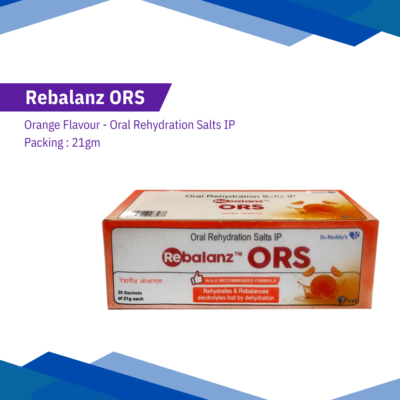
Sodium Chloride is an essential electrolyte supplement that restores salt and water balance in the body. In healthcare settings, it is most commonly administered IV as Normal Saline (0.9%) to treat dehydration, intranasally as a decongestant, or drops in the eyes to clean out irritants. It is important in maintaining osmotic pressure and nerve-muscle functions.
Major Medical Forms
Pens: Also used for another drug and to replace fluid.
Nasal Drops/Spray: Pseudo-ephedrine for relief from dry or congested nasal passages.
Ophthalmic Solution: Eye irrigation or for reducting swelling of cornea.
Oral: Sodium chloride tablets are used for specific electrolyte deficiencies or "salt-wasting" conditions.
Main Benefits
Rapid Rehydration: Quickly restores fluid volume due to heatstroke or diarrhea. Flowers for free.
Amascus: Water-thinning in the nose to relieve breathing.
Electrolyte Balance: Essential to maintain the proper levels of alkalinity and acidity (pH) of the blood.
How to Use
For the Nose: Lean the head backwards and squeeze the number of drops instructed into each nostril. Avoid touching the dropper tip to the inside of the nose. This is to prevent contamination.
As IV Infusion: This should be given only in a hospital or clinic by a professional health worker.
For the Eyes: Rinse the eyes gently with the sterile solution when necessary.
Side Effects and Cautions
Although Sodium Chloride is found naturally in the human body, it can occasionally be red or irritating at the site (IV) upon administration, with sneezing being a common side effect (Nasal spray) and administered in large quantities may cause edema or fluid volume overload, raise your blood pressure.
Caution: Patients with congestive heart failure, severe kidney disease, or high blood pressure (hypertension) should use sodium chloride supplements only under strict medical supervision.
Frequently Asked Questions (FAQs)
Q: Is "Normal Saline" just salt water?
Though it comprises sodium chloride and water, "Normal Saline" (0.9%) is created to match the salt concentration in human blood and tears. As such, it is "isotonic," which implies the solution will not burn or disturb cells like homemade salt water will.
Q: Can I give Sodium Chloride nasal drops to my baby?
Saline nasal drops are typically the swiftest and least dangerous decongestion remedy for infants, given that there is no harsh decongestant-based chemical. Go for the products manufactured particularly for use in children of that specific age of yours.
Q: Why was I put on Sodium Chloride tablets?
They are typically prescribed to address "hyponatremia" (that is, low sodium levels in blood) that could result from intensive sweating, certain medications, or certain imbalances of the hormones.
Q: Is there a risk of "salt overdose"?
Higher-volume infusion of sodium chloride can give rise to hypernatremia in a clinical instance; symptoms are thirst, mental cloudness, and fluid retention. This does include medical oversight on one's electrolyte levels throughout therapy.
Q: Can I use saline to wash the lenses of my contact glasses?
You can use saline solution to rinse commercially prepared and disinfected contact lenses, though it is not possible to kill off bacteria or viruses. It should be used merely as a supplementary cleaning step by rinsing the impurities from the lens after utilizing proper disinfection solutions.
At Gem Pharmacy, we make every effort to provide accurate, expert-written, and thoroughly reviewed information related to medicines. However, this information should not be considered a substitute for professional medical advice, diagnosis, or treatment from a qualified doctor.
The purpose of this information is to educate users and improve communication between patients and healthcare professionals. It should not be used to diagnose or treat any condition.
Always consult a certified healthcare professional before taking any medication.


Related products