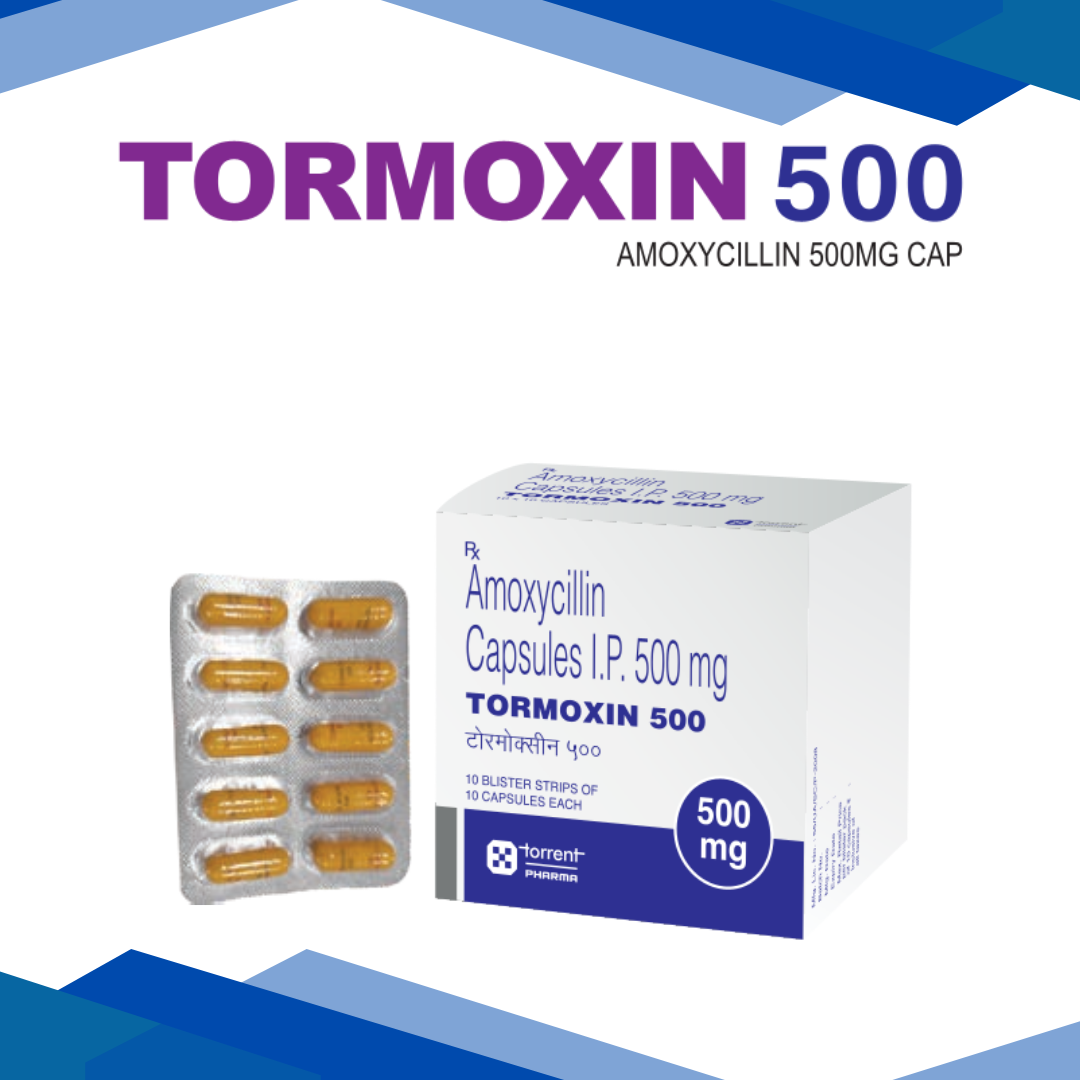
Tormoxin 500
No Prescription yet? Don’t worry! Click Here to Get Online Consultation
Tormoxin is a widely used antibiotic that belongs to the penicillin group of medicines. It works by stopping the growth of bacteria and destroying the bacterial cell wall, helping the body fight and clear bacterial infections. Tormoxin is commonly prescribed for a variety of infections, including those affecting the respiratory tract, ears, nose, throat, urinary tract, skin, and certain dental infections. It is effective only against bacterial infections and does not treat viral illnesses such as the common cold or flu. When used under appropriate medical supervision, Tormoxin can help reduce symptoms, prevent the spread of infection, and support faster recovery. Its effectiveness and safety have made it one of the most frequently prescribed antibiotics worldwide for both adults and children.
Description
Tormoxin is a widely used antibiotic medicine belonging to the penicillin group of antibiotics. it is commonly prescribed for the treatment of a broad range of bacterial infections affecting different parts of the body, including the respiratory tract, ears, nose, throat, skin, urinary tract, and certain dental infections. Tormoxin works by targeting and eliminating susceptible bacteria, helping the body's immune system overcome infection and restore normal health. it is considered one of the most commonly prescribed antibiotics due to its effectiveness, established safety profile, and broad-spectrum antibacterial activity.
the medicine is effective against many types of gram-positive and gram-negative bacteria. unlike medications that simply relieve symptoms, Tormoxin addresses the underlying bacterial cause of infection. it is important to understand that Tormoxin is not effective against viral illnesses such as the common cold, influenza, or most cases of viral sore throat. using antibiotics unnecessarily can contribute to antibiotic resistance, making future infections more difficult to treat.
Tormoxin exerts its antibacterial action by interfering with the formation of bacterial cell walls. bacteria require strong cell walls to maintain their structure and survive. Tormoxin inhibits the enzymes responsible for building these walls, causing bacterial cells to weaken, rupture, and ultimately die. this bactericidal mechanism helps clear infections effectively when the bacteria are susceptible to the medicine.
the medicine may be prescribed for adults, children, and elderly patients when deemed appropriate by a healthcare professional. the exact treatment duration and formulation depend on the type, severity, and location of the infection, as well as individual patient factors. completing the prescribed course is important even if symptoms improve earlier, as stopping treatment prematurely may allow bacteria to survive and lead to recurrence or antibiotic resistance.
ingredients
- Tormoxin: the active pharmaceutical ingredient responsible for the antibacterial activity of the medicine. Tormoxin belongs to the aminopenicillin class of antibiotics and works by preventing bacteria from forming protective cell walls. this action results in bacterial destruction and helps eliminate infections caused by susceptible microorganisms.
- inactive ingredients (may vary by manufacturer): depending on the formulation, products containing Tormoxin may include excipients such as fillers, binders, stabilizers, flavoring agents, sweeteners, coloring agents, preservatives, and coating materials. these ingredients help improve stability, taste, appearance, and administration but do not contribute directly to antibacterial effects.
key uses
- respiratory tract infections: commonly used to treat bacterial infections affecting the lungs and airways, including certain cases of pneumonia, bronchitis, and bacterial respiratory infections.
- ear infections: frequently prescribed for acute bacterial middle ear infections, especially in children, to reduce pain, inflammation, and bacterial growth.
- throat and tonsil infections: used in bacterial sore throat and tonsillitis caused by susceptible bacteria, helping relieve symptoms and prevent complications.
- sinus infections: may be prescribed for bacterial sinusitis when symptoms suggest a bacterial rather than viral cause.
- urinary tract infections: effective against certain bacteria that cause infections of the bladder and urinary tract.
- skin and soft tissue infections: used to manage bacterial infections affecting the skin, wounds, and underlying tissues.
- dental infections: commonly utilized in the treatment of dental abscesses and bacterial infections associated with teeth and gums.
- helicobacter pylori eradication: may be used in combination with other medicines as part of treatment regimens aimed at eliminating helicobacter pylori associated with peptic ulcer disease.
- certain gastrointestinal infections: can be prescribed for selected bacterial infections affecting the digestive system when appropriate.
- preventive use in specific situations: in some circumstances, healthcare professionals may prescribe Tormoxin to help prevent bacterial infections in patients at increased risk.
how to use
Tormoxin should always be used according to the instructions provided by a qualified healthcare professional. the medicine may be available in various forms, including capsules, tablets, chewable tablets, and oral suspensions. it can generally be taken with or without food, although taking it with food may help reduce stomach discomfort in some individuals.
patients should swallow tablets or capsules with an adequate amount of water unless otherwise directed. oral suspensions should be shaken well before use to ensure even distribution of the medicine. it is important to take doses at evenly spaced intervals whenever possible to maintain consistent levels of the antibiotic in the body.
even if symptoms improve after a few days, the full prescribed course should be completed unless advised otherwise by a healthcare provider. stopping treatment too early may allow surviving bacteria to multiply again, potentially leading to treatment failure or recurrence of infection. if symptoms persist, worsen, or new symptoms develop during treatment, medical advice should be sought promptly.
safety information
- warnings: Tormoxin should not be used by individuals with a known allergy to Tormoxin, penicillin antibiotics, or any component of the formulation. serious allergic reactions can occur and may require immediate medical attention. patients with a history of severe drug allergies should inform their healthcare provider before starting treatment.
- side effects: common side effects may include nausea, vomiting, diarrhea, abdominal discomfort, indigestion, headache, and mild skin rash. these effects are often temporary and may resolve as treatment continues. serious side effects, although uncommon, can include severe allergic reactions, widespread skin reactions, breathing difficulties, persistent diarrhea, liver-related problems, severe dizziness, or unusual bruising and bleeding. immediate medical attention is required if serious symptoms occur.
- precautions: patients with kidney disease, liver disorders, infectious mononucleosis, or previous antibiotic-associated diarrhea should discuss their medical history with a healthcare professional before using Tormoxin. appropriate monitoring may be necessary in certain situations.
- pregnancy: Tormoxin is generally considered relatively safe for use during pregnancy when prescribed by a healthcare provider and when the expected benefits outweigh potential risks. pregnant individuals should always consult their doctor before starting any medication.
- breastfeeding: small amounts of Tormoxin may pass into breast milk. although it is generally considered compatible with breastfeeding, nursing mothers should seek medical advice regarding potential effects on the infant.
- drug interactions: Tormoxin may interact with certain medications, including anticoagulants, methotrexate, allopurinol, probenecid, and some other antibiotics. healthcare providers should be informed about all prescription medicines, over-the-counter products, vitamins, and herbal supplements being used.
- alcohol: alcohol does not directly reduce the effectiveness of Tormoxin, but excessive alcohol consumption may worsen certain side effects, delay recovery, or increase gastrointestinal discomfort. moderation is advisable.
- antibiotic resistance: the medicine should only be used for bacterial infections and as prescribed. misuse, unnecessary use, or incomplete treatment courses contribute to antibiotic resistance, a significant public health concern.
- allergic reactions: signs of a serious allergic reaction may include swelling of the face, lips, tongue, or throat; severe rash; itching; wheezing; and difficulty breathing. emergency medical care should be sought immediately if these symptoms occur.
- persistent diarrhea: severe or prolonged diarrhea during or after treatment may indicate a serious intestinal condition associated with antibiotic use and requires medical evaluation.
additional information
- storage: store Tormoxin according to the instructions provided on the product packaging. most formulations should be kept in a cool, dry place away from excessive heat, moisture, and direct sunlight. oral suspensions may have specific storage requirements and should be used within the recommended period after preparation.
- missed dose: if a dose is missed, it should generally be taken as soon as remembered. however, if it is nearly time for the next scheduled dose, the missed dose should be skipped. double doses should not be taken to compensate for a missed dose.
- overdose: taking excessive amounts of Tormoxin may lead to symptoms such as severe gastrointestinal upset, nausea, vomiting, diarrhea, electrolyte disturbances, or kidney-related complications. suspected overdose requires immediate medical assessment or emergency assistance.
- habit forming: no. Tormoxin is not known to cause dependence, addiction, or habit formation. it works solely as an antibacterial medication and does not affect reward pathways associated with addictive substances.
- monitoring: in prolonged treatment or in patients with certain medical conditions, healthcare providers may occasionally recommend laboratory monitoring to assess treatment response and organ function.
- completion of therapy: completing the full prescribed treatment course is important to maximize effectiveness and reduce the risk of bacterial resistance and recurrent infection.
frequently asked questions
Q: what is Tormoxin used for?
A: Tormoxin is an antibiotic used to treat various bacterial infections affecting the respiratory tract, ears, throat, skin, urinary tract, teeth, and other parts of the body. it works by killing susceptible bacteria and helping clear the infection.
Q: can Tormoxin treat viral infections such as the common cold or flu?
A: no. Tormoxin is effective only against bacterial infections and does not work against viruses that cause colds, influenza, or most viral sore throats.
Q: how does Tormoxin work?
A: Tormoxin works by preventing bacteria from forming protective cell walls. without these walls, bacteria become unstable and die, allowing the infection to resolve.
Q: can i stop taking Tormoxin when i feel better?
A: no. the full prescribed course should usually be completed unless your healthcare provider advises otherwise. stopping early may allow bacteria to survive and cause the infection to return.
Q: what are the common side effects of Tormoxin?
A: common side effects include nausea, vomiting, diarrhea, stomach discomfort, headache, and mild skin rash. most side effects are temporary, but persistent or severe symptoms should be reported to a healthcare professional.
Q: can Tormoxin cause allergic reactions?
A: yes. some individuals may experience allergic reactions ranging from mild rashes to severe life-threatening reactions. immediate medical attention is necessary if symptoms such as breathing difficulty or facial swelling occur.
Q: is Tormoxin safe during pregnancy?
A: Tormoxin is generally considered safe during pregnancy when prescribed by a healthcare professional. however, pregnant individuals should always consult their healthcare provider before using any medication.
Q: can breastfeeding mothers use Tormoxin?
A: Tormoxin is generally considered compatible with breastfeeding, although small amounts may pass into breast milk. medical advice should be sought if concerns arise.
Q: can Tormoxin be taken with food?
A: yes. Tormoxin can generally be taken with or without food. taking it with food may help reduce stomach upset in some people.
Q: what should i do if i miss a dose?
A: take the missed dose as soon as you remember. if it is nearly time for the next dose, skip the missed dose and continue the regular schedule. do not take two doses at the same time.
Q: can Tormoxin interact with other medications?
A: yes. certain medicines, including anticoagulants, methotrexate, allopurinol, and probenecid, may interact with Tormoxin. inform your healthcare provider about all medications you use.
Tormoxin is a widely used antibiotic medicine belonging to the penicillin group of antibiotics. it is commonly prescribed for the treatment of a broad range of bacterial infections affecting different parts of the body, including the respiratory tract, ears, nose, throat, skin, urinary tract, and certain dental infections. Tormoxin works by targeting and eliminating susceptible bacteria, helping the body's immune system overcome infection and restore normal health. it is considered one of the most commonly prescribed antibiotics due to its effectiveness, established safety profile, and broad-spectrum antibacterial activity.
the medicine is effective against many types of gram-positive and gram-negative bacteria. unlike medications that simply relieve symptoms, Tormoxin addresses the underlying bacterial cause of infection. it is important to understand that Tormoxin is not effective against viral illnesses such as the common cold, influenza, or most cases of viral sore throat. using antibiotics unnecessarily can contribute to antibiotic resistance, making future infections more difficult to treat.
Tormoxin exerts its antibacterial action by interfering with the formation of bacterial cell walls. bacteria require strong cell walls to maintain their structure and survive. Tormoxin inhibits the enzymes responsible for building these walls, causing bacterial cells to weaken, rupture, and ultimately die. this bactericidal mechanism helps clear infections effectively when the bacteria are susceptible to the medicine.
the medicine may be prescribed for adults, children, and elderly patients when deemed appropriate by a healthcare professional. the exact treatment duration and formulation depend on the type, severity, and location of the infection, as well as individual patient factors. completing the prescribed course is important even if symptoms improve earlier, as stopping treatment prematurely may allow bacteria to survive and lead to recurrence or antibiotic resistance.
ingredients
- Tormoxin: the active pharmaceutical ingredient responsible for the antibacterial activity of the medicine. Tormoxin belongs to the aminopenicillin class of antibiotics and works by preventing bacteria from forming protective cell walls. this action results in bacterial destruction and helps eliminate infections caused by susceptible microorganisms.
- inactive ingredients (may vary by manufacturer): depending on the formulation, products containing Tormoxin may include excipients such as fillers, binders, stabilizers, flavoring agents, sweeteners, coloring agents, preservatives, and coating materials. these ingredients help improve stability, taste, appearance, and administration but do not contribute directly to antibacterial effects.
key uses
- respiratory tract infections: commonly used to treat bacterial infections affecting the lungs and airways, including certain cases of pneumonia, bronchitis, and bacterial respiratory infections.
- ear infections: frequently prescribed for acute bacterial middle ear infections, especially in children, to reduce pain, inflammation, and bacterial growth.
- throat and tonsil infections: used in bacterial sore throat and tonsillitis caused by susceptible bacteria, helping relieve symptoms and prevent complications.
- sinus infections: may be prescribed for bacterial sinusitis when symptoms suggest a bacterial rather than viral cause.
- urinary tract infections: effective against certain bacteria that cause infections of the bladder and urinary tract.
- skin and soft tissue infections: used to manage bacterial infections affecting the skin, wounds, and underlying tissues.
- dental infections: commonly utilized in the treatment of dental abscesses and bacterial infections associated with teeth and gums.
- helicobacter pylori eradication: may be used in combination with other medicines as part of treatment regimens aimed at eliminating helicobacter pylori associated with peptic ulcer disease.
- certain gastrointestinal infections: can be prescribed for selected bacterial infections affecting the digestive system when appropriate.
- preventive use in specific situations: in some circumstances, healthcare professionals may prescribe Tormoxin to help prevent bacterial infections in patients at increased risk.
how to use
Tormoxin should always be used according to the instructions provided by a qualified healthcare professional. the medicine may be available in various forms, including capsules, tablets, chewable tablets, and oral suspensions. it can generally be taken with or without food, although taking it with food may help reduce stomach discomfort in some individuals.
patients should swallow tablets or capsules with an adequate amount of water unless otherwise directed. oral suspensions should be shaken well before use to ensure even distribution of the medicine. it is important to take doses at evenly spaced intervals whenever possible to maintain consistent levels of the antibiotic in the body.
even if symptoms improve after a few days, the full prescribed course should be completed unless advised otherwise by a healthcare provider. stopping treatment too early may allow surviving bacteria to multiply again, potentially leading to treatment failure or recurrence of infection. if symptoms persist, worsen, or new symptoms develop during treatment, medical advice should be sought promptly.
safety information
- warnings: Tormoxin should not be used by individuals with a known allergy to Tormoxin, penicillin antibiotics, or any component of the formulation. serious allergic reactions can occur and may require immediate medical attention. patients with a history of severe drug allergies should inform their healthcare provider before starting treatment.
- side effects: common side effects may include nausea, vomiting, diarrhea, abdominal discomfort, indigestion, headache, and mild skin rash. these effects are often temporary and may resolve as treatment continues. serious side effects, although uncommon, can include severe allergic reactions, widespread skin reactions, breathing difficulties, persistent diarrhea, liver-related problems, severe dizziness, or unusual bruising and bleeding. immediate medical attention is required if serious symptoms occur.
- precautions: patients with kidney disease, liver disorders, infectious mononucleosis, or previous antibiotic-associated diarrhea should discuss their medical history with a healthcare professional before using Tormoxin. appropriate monitoring may be necessary in certain situations.
- pregnancy: Tormoxin is generally considered relatively safe for use during pregnancy when prescribed by a healthcare provider and when the expected benefits outweigh potential risks. pregnant individuals should always consult their doctor before starting any medication.
- breastfeeding: small amounts of Tormoxin may pass into breast milk. although it is generally considered compatible with breastfeeding, nursing mothers should seek medical advice regarding potential effects on the infant.
- drug interactions: Tormoxin may interact with certain medications, including anticoagulants, methotrexate, allopurinol, probenecid, and some other antibiotics. healthcare providers should be informed about all prescription medicines, over-the-counter products, vitamins, and herbal supplements being used.
- alcohol: alcohol does not directly reduce the effectiveness of Tormoxin, but excessive alcohol consumption may worsen certain side effects, delay recovery, or increase gastrointestinal discomfort. moderation is advisable.
- antibiotic resistance: the medicine should only be used for bacterial infections and as prescribed. misuse, unnecessary use, or incomplete treatment courses contribute to antibiotic resistance, a significant public health concern.
- allergic reactions: signs of a serious allergic reaction may include swelling of the face, lips, tongue, or throat; severe rash; itching; wheezing; and difficulty breathing. emergency medical care should be sought immediately if these symptoms occur.
- persistent diarrhea: severe or prolonged diarrhea during or after treatment may indicate a serious intestinal condition associated with antibiotic use and requires medical evaluation.
additional information
- storage: store Tormoxin according to the instructions provided on the product packaging. most formulations should be kept in a cool, dry place away from excessive heat, moisture, and direct sunlight. oral suspensions may have specific storage requirements and should be used within the recommended period after preparation.
- missed dose: if a dose is missed, it should generally be taken as soon as remembered. however, if it is nearly time for the next scheduled dose, the missed dose should be skipped. double doses should not be taken to compensate for a missed dose.
- overdose: taking excessive amounts of Tormoxin may lead to symptoms such as severe gastrointestinal upset, nausea, vomiting, diarrhea, electrolyte disturbances, or kidney-related complications. suspected overdose requires immediate medical assessment or emergency assistance.
- habit forming: no. Tormoxin is not known to cause dependence, addiction, or habit formation. it works solely as an antibacterial medication and does not affect reward pathways associated with addictive substances.
- monitoring: in prolonged treatment or in patients with certain medical conditions, healthcare providers may occasionally recommend laboratory monitoring to assess treatment response and organ function.
- completion of therapy: completing the full prescribed treatment course is important to maximize effectiveness and reduce the risk of bacterial resistance and recurrent infection.
frequently asked questions
Q: what is Tormoxin used for?
A: Tormoxin is an antibiotic used to treat various bacterial infections affecting the respiratory tract, ears, throat, skin, urinary tract, teeth, and other parts of the body. it works by killing susceptible bacteria and helping clear the infection.
Q: can Tormoxin treat viral infections such as the common cold or flu?
A: no. Tormoxin is effective only against bacterial infections and does not work against viruses that cause colds, influenza, or most viral sore throats.
Q: how does Tormoxin work?
A: Tormoxin works by preventing bacteria from forming protective cell walls. without these walls, bacteria become unstable and die, allowing the infection to resolve.
Q: can i stop taking Tormoxin when i feel better?
A: no. the full prescribed course should usually be completed unless your healthcare provider advises otherwise. stopping early may allow bacteria to survive and cause the infection to return.
Q: what are the common side effects of Tormoxin?
A: common side effects include nausea, vomiting, diarrhea, stomach discomfort, headache, and mild skin rash. most side effects are temporary, but persistent or severe symptoms should be reported to a healthcare professional.
Q: can Tormoxin cause allergic reactions?
A: yes. some individuals may experience allergic reactions ranging from mild rashes to severe life-threatening reactions. immediate medical attention is necessary if symptoms such as breathing difficulty or facial swelling occur.
Q: is Tormoxin safe during pregnancy?
A: Tormoxin is generally considered safe during pregnancy when prescribed by a healthcare professional. however, pregnant individuals should always consult their healthcare provider before using any medication.
Q: can breastfeeding mothers use Tormoxin?
A: Tormoxin is generally considered compatible with breastfeeding, although small amounts may pass into breast milk. medical advice should be sought if concerns arise.
Q: can Tormoxin be taken with food?
A: yes. Tormoxin can generally be taken with or without food. taking it with food may help reduce stomach upset in some people.
Q: what should i do if i miss a dose?
A: take the missed dose as soon as you remember. if it is nearly time for the next dose, skip the missed dose and continue the regular schedule. do not take two doses at the same time.
Q: can Tormoxin interact with other medications?
A: yes. certain medicines, including anticoagulants, methotrexate, allopurinol, and probenecid, may interact with Tormoxin. inform your healthcare provider about all medications you use.
Q: is Tormoxin habit-forming?
A: no. Tormoxin does not cause dependence, addiction, or habit formation.
Q: can Tormoxin cause diarrhea?
A: yes. mild diarrhea is a common side effect. however, severe or persistent diarrhea may indicate a more serious condition and should be evaluated by a healthcare professional.
Q: how should Tormoxin be stored?
A: store the medicine according to label instructions, away from heat, moisture, and direct sunlight. follow any special storage instructions provided for liquid formulations.
Q: what should i do in case of an overdose?
A: seek immediate medical attention if an overdose is suspected. symptoms may include severe gastrointestinal upset, vomiting, diarrhea, and possible kidney-related complications.
this information is for educational purposes only and should not be considered medical advice. always consult a qualified healthcare professional before use.
Q: is Tormoxin habit-forming?
A: no. Tormoxin does not cause dependence, addiction, or habit formation.
Q: can Tormoxin cause diarrhea?
A: yes. mild diarrhea is a common side effect. however, severe or persistent diarrhea may indicate a more serious condition and should be evaluated by a healthcare professional.
Q: how should Tormoxin be stored?
A: store the medicine according to label instructions, away from heat, moisture, and direct sunlight. follow any special storage instructions provided for liquid formulations.
Q: what should i do in case of an overdose?
A: seek immediate medical attention if an overdose is suspected. symptoms may include severe gastrointestinal upset, vomiting, diarrhea, and possible kidney-related complications.
this information is for educational purposes only and should not be considered medical advice. always consult a qualified healthcare professional before use.
At Gem Pharmacy, we make every effort to provide accurate, expert-written, and thoroughly reviewed information related to medicines. However, this information should not be considered a substitute for professional medical advice, diagnosis, or treatment from a qualified doctor.
The purpose of this information is to educate users and improve communication between patients and healthcare professionals. It should not be used to diagnose or treat any condition.
Always consult a certified healthcare professional before taking any medication.


Related products