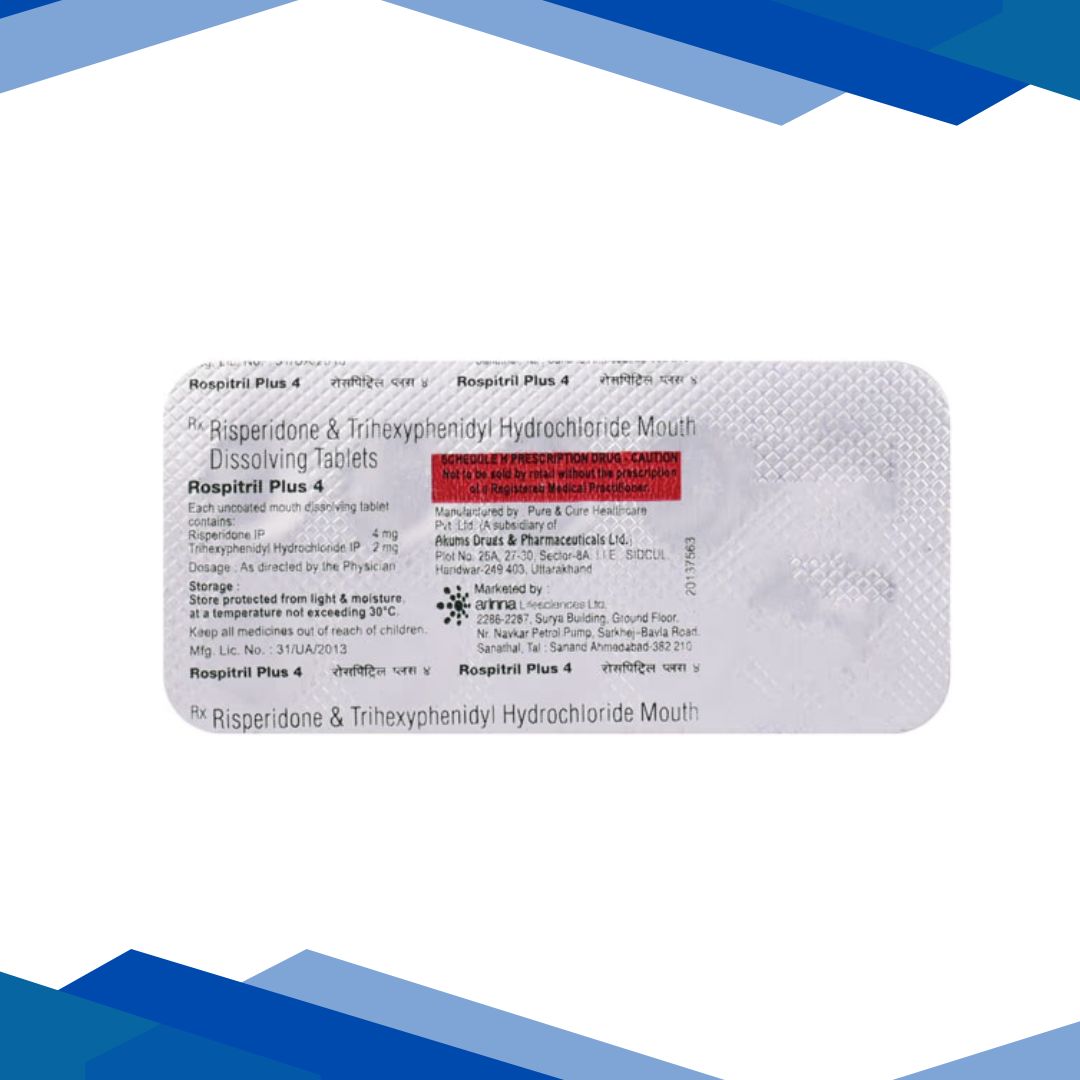
Rospitril Plus 4mg Tablet 10’S
No Prescription yet? Don’t worry! Click Here to Get Online Consultation
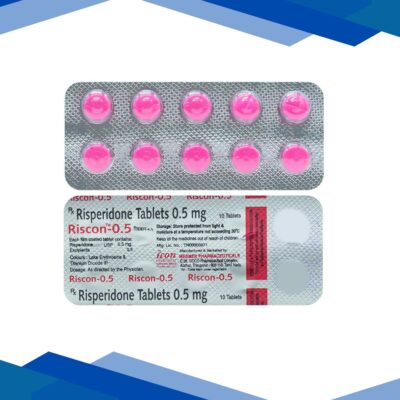
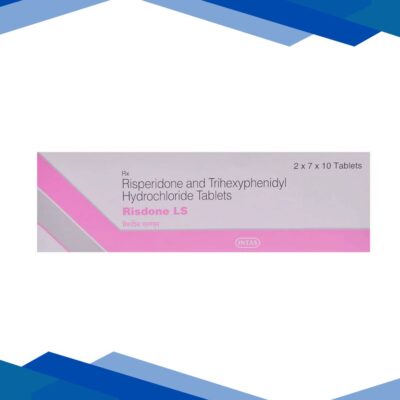
Rospitril Plus 4mg/2mg Tablet MD 10s, Rospitril‑Plus 4mg Tablet 10 Tablets, and Rospitril Plus 4mg Tablet 10S are combination antipsychotic medicines used to treat schizophrenia and acute manic episodes in bipolar disorder. They contain an antipsychotic to address core psychiatric symptoms and an anticholinergic to help reduce movement-related side effects that can occur with antipsychotic use. For more details kindly click on Medicine Salts below:
Risperidone
Risperidone: Use, Side Effects, and Opinions of the Physician
Risperidone is a powerful and effective antipsychotic. It is mostly used to manage conditions where thought process, emotional status, and behavior are affected. Classified as an “atypical antipsychotic,” this medication is mainly prescribed for schizophrenia and bipolar disorder.
Unlike older classical antipsychotics, Risperidone is often preferred due to a lower incidence of movement-related side effects and its ability to regulate brain chemicals more precisely.
Role of Risperidone
Primarily, it acts to slow down abnormal signals in the brain. It specifically targets two key neurotransmitters: dopamine and serotonin.
Risperidone works by blocking specific receptors, helping to reduce:
- Hallucinations
- Delusions
- Mood swings
This leads to improved focus, emotional balance, and clearer thinking.
In Typical Use
Schizophrenia: Helps manage long-term symptoms like hearing voices, suspicion, and disorganized thinking.
Bipolar Mania: Controls excessive excitability, racing thoughts, and reduced need for sleep.
Autism with Irritability/Aggression: Used in children (5–17 years) to manage aggression, irritability, and self-injurious behavior.
Common Side Effects to Watch For
Most individuals adapt within a few weeks. Common effects include:
General: Drowsiness, dizziness, and weight gain (increased appetite).
Neurological: Tremors, stiffness (Parkinsonism), or restlessness (Akathisia).
Hormonal: Increased prolactin levels, which may lead to breast enlargement or menstrual changes.
⚠️ VITAL: Seek immediate medical attention if you experience:
- High fever
- Muscle rigidity
- Irregular heartbeat
These may indicate Neuroleptic Malignant Syndrome (NMS), a serious but rare condition.
Expert Tips – A Winning Game
Be Patient: It may take 1–2 months to see full benefits. Do not stop early.
Monitor Weight: Maintain a balanced diet and regular exercise.
Stay Hydrated: Helps reduce dizziness, especially when standing up.
Avoid Alcohol: Can intensify sedation and worsen side effects.
Q&A
Q: Can I take Risperidone with food?
A: Yes. It can be taken with or without food. If nausea occurs, taking it with a light snack may help.
Q: Can it lead to addiction?
A: No. Risperidone is not addictive, but sudden discontinuation may cause rebound symptoms. Always taper gradually under medical supervision.
Q: Will it make me excessively sleepy during the day?
A: Drowsiness is common, especially in the initial days. Many doctors recommend taking it at night to improve sleep and daytime alertness.
Q: Can I drive while taking this medicine?
A: Use caution. Avoid driving or operating machinery until you understand how it affects you, as dizziness and blurred vision may occur.
Q: What should be done if I miss a dose?
A: Take it as soon as you remember. If your next dose is near, skip the missed dose. Never double the dose.
Trihexyphenidyl
Trihexyphenidyl Tablets: Uses, Side Effects, Price and Substitutes
Trihexyphenidyl, also called Benzhexol, is an anticholinergic/antimuscarinic medicine used mainly as an add-on treatment for almost all kinds of Parkinsonism, including post-encephalitic, arteriosclerotic, and idiopathic forms. Sometimes psychiatrists also prescribe it when patients get nasty extrapyramidal effects from central nervous system drugs, especially antipsychotics, like involuntary muscle spasms, restlessness (akathisia), and tremors.
How Trihexyphenidyl Works
In a healthy brain, smooth muscle coordination depends on a careful chemical handoff between dopamine and acetylcholine. When dopamine drops in Parkinson’s disease, or when dopamine receptors get blocked by antipsychotics, acetylcholine starts acting too active. That imbalance can make muscles stiffen, shake, or spasm without you controlling them.
Trihexyphenidyl helps by
- Directly blocking muscarinic acetylcholine receptors in the central nervous system in a competitive way
- Reducing excessive parasympathetic “push”, so the dopamine–acetylcholine ratio becomes more balanced
- Easing smooth muscle patterns so rigid stiffness goes down and tremors can settle
Primary Benefits and Medical Uses
- Parkinson’s Disease management: reduces rigidity, helps resting tremors, and supports better walking gait and motor coordination.
- Drug-induced movement disorders: helps relieve painful dystonias (sustained muscle contractions) and drug-related tremors that come after psychiatric medicines.
- Excessive salivation control: reduces uncomfortable drooling, also called sialorrhea, which can happen with certain neurological issues.
Dosage and How to Take It
- How to take it: Trihexyphenidyl is usually taken by mouth, often in 3 to 4 smaller portions across the day. It can be taken either before or after meals.
- Food factor: if dryness of the mouth becomes an issue, taking it before meals may help, unless it makes you nauseous. If you take it after meals, stomach upset may be reduced.
- Golden rule: the dose has to be personalized. Your neurologist often starts with something small, like 1 mg daily, then slowly adjusts until you reach the best therapeutic window. Never stop suddenly, because that can cause a harsh flare-up of symptoms.
Potential Side Effects
Since anticholinergics reduce secretions and slow certain muscle actions, side effects are generally body-wide reactions to that “relaxed” effect.
Common side effects
- Dry mouth and throat
- Blurred vision because pupils dilate
- Light dizziness, nervousness, or drowsiness
- Constipation or mild stomach discomfort
- Urinary hesitancy or urinary retention
Serious side effects, contact a physician right away
- Severe mental confusion, agitation, or vivid hallucinations, more seen in older patients
- Sudden eye pain or redness, which may suggest a rise in intraocular pressure
- Rapid or pounding heartbeat (tachycardia)
Safety Advice and Precautions
Parameter | Safety status | Clinical guidance
Glaucoma | ❌ Strictly contraindicated | Do not use Trihexyphenidyl in narrow-angle glaucoma, it can trigger a dangerous rise in eye pressure
Elderly patients | ⚠️ High caution | Older adults tend to be more sensitive to central effects, increasing confusion, memory problems, or falls
Pregnancy / Nursing | ⚠️ Consult doctor | Human safety evidence is limited. Use only if your physician clearly recommends it. It may also suppress breast milk production
Driving / Machinery | ❌ Avoid | Blurred vision and dizziness are common, do not drive or operate heavy tools until your vision clears
Frequently Asked Questions (FAQs)
Q1: Does Trihexyphenidyl cure Parkinson’s disease?
No. It does not cure Parkinson’s disease, and it does not reverse the original nerve degeneration. It works as a symptomatic treatment, improving tremor control and muscle stiffness so daily life is easier.
Q2: Why did my doctor give Trihexyphenidyl with my antidepressant or antipsychotic?
Many psychiatric medicines reduce dopamine signaling to help stabilize mood. The reduced dopamine can unintentionally cause physical side effects such as muscle locking, severe shaking, or restless pacing. Trihexyphenidyl is co-prescribed to counter those troubling movement effects.
Q3: What can I do about intense dry mouth?
Dry mouth is a common effect linked to the drug’s action. You can help by taking frequent sips of water, chewing sugarless gum, sucking ice chips, or using a saliva substitute. Keep oral hygiene strong too, because long-term dryness can raise the chance of dental cavities.
Q4: What if I miss a dose of Trihexyphenidyl?
Take the missed dose as soon as you remember. If it is nearly time for the next dose, skip the missed one and go back to your regular schedule. Do not take two doses at once to “catch up”, that can lead to acute toxicity.
Q5: Can I drink alcohol during treatment?
No. You should avoid alcohol completely. Alcohol increases the sedating impact of Trihexyphenidyl, which can cause strong drowsiness, deeper dizziness, and a higher risk of cognitive confusion or accidental falls.
At Gem Pharmacy, we make every effort to provide accurate, expert-written, and thoroughly reviewed information related to medicines. However, this information should not be considered a substitute for professional medical advice, diagnosis, or treatment from a qualified doctor.
The purpose of this information is to educate users and improve communication between patients and healthcare professionals. It should not be used to diagnose or treat any condition.
Always consult a certified healthcare professional before taking any medication.


Related products