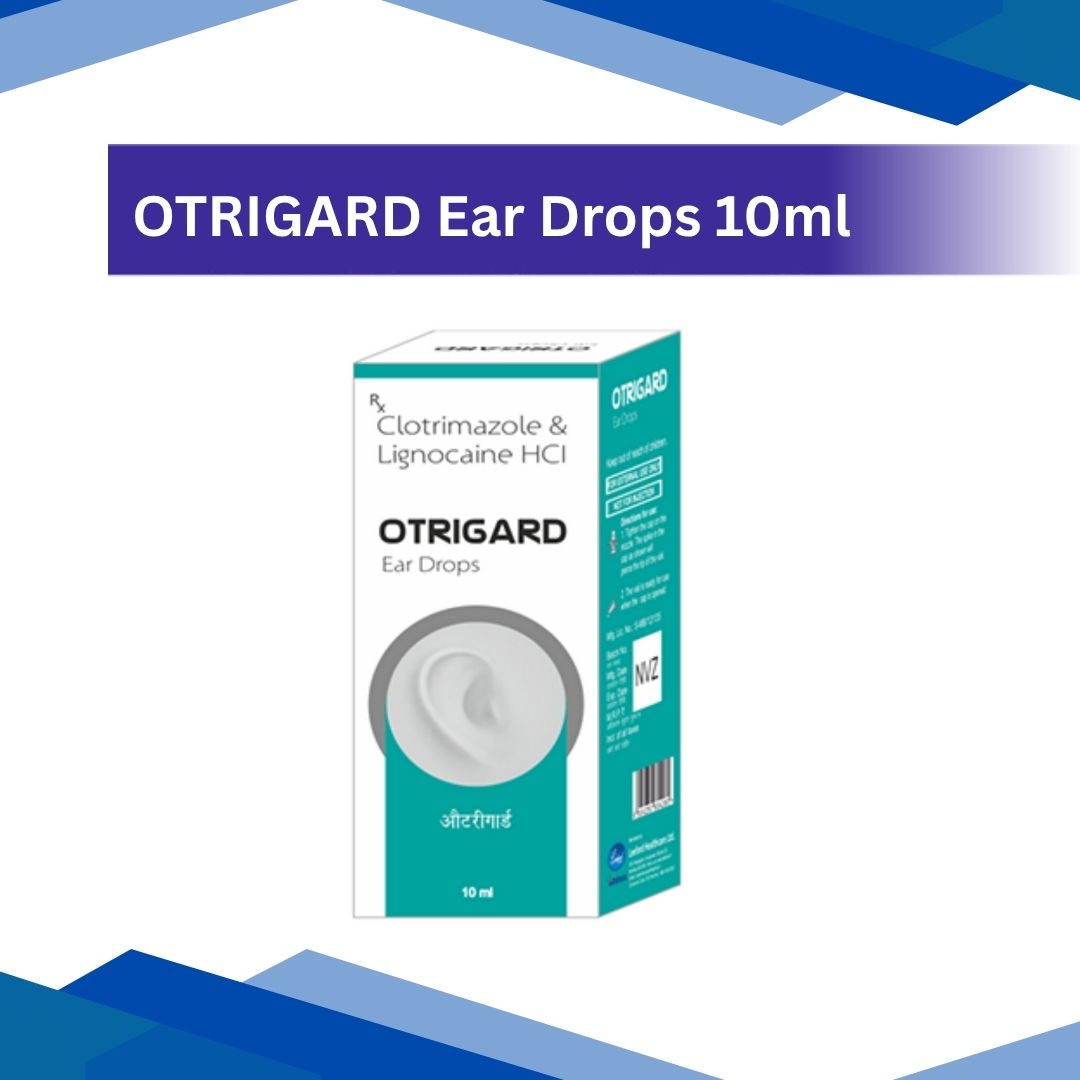
OTRIGARD Ear Drops 10 ml
No Prescription yet? Don’t worry! Click Here to Get Online Consultation
Otrigard Ear Drops 10 ml is a combination ear medicine used to treat fungal infections (otomycosis) along with relieving associated pain. It contains Clotrimazole, an antifungal, and Lidocaine (a local anesthetic) to help ease discomfort. For more details kindly click on Medicine Salts below:
Clotrimazole
Clotrimazole Topical Solution / Cream
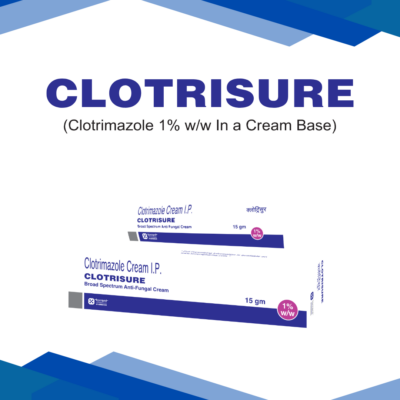
Clotrimazole belongs to the imidazole class of antifungal drugs and is widely regarded as a gold-standard treatment for fungal skin infections. It works by inhibiting ergosterol synthesis, an essential component of the fungal cell membrane, thereby disrupting fungal growth and eliminating infection.
Treatment Indications
Athlete’s Foot (Tinea Pedis): Relieves itching, burning, and cracks between toes
Ringworm (Tinea Corporis): Clears circular, red, scaly lesions
Jock Itch (Tinea Cruris): Treats infections in groin and inner thighs
Thrush: Effective for yeast infections on the skin
Candidiasis: Used for diaper rash and skin fold infections
Pityriasis Versicolor: Treats skin discoloration patches
Features
Quick Relief: Reduces itching, redness, and irritation rapidly
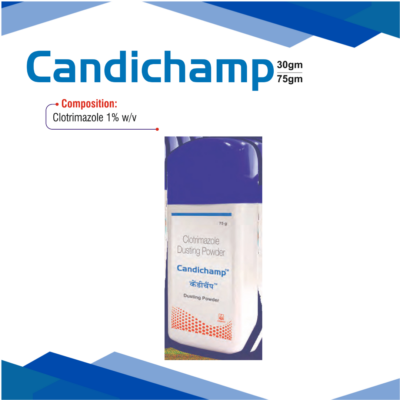
Multiple Forms: Available as cream, lotion, and powder
Safe Profile: Generally safe for all age groups under guidance
How to Apply
Preparation: Clean and dry the affected area thoroughly
Application: Apply a thin layer extending ~1 cm beyond infected skin
Frequency: Usually 2–3 times daily for 2–4 weeks
Continuation: Continue treatment even after symptoms improve to prevent recurrence
Safety Instructions
External Use Only: Avoid contact with eyes, nose, and mouth
Skin Reactions: Mild stinging or redness may occur
Pregnancy/Breastfeeding: Use under medical supervision
Hygiene: Change towels and socks daily to prevent reinfection
Frequently Asked Questions (FAQs)
Q: How long does it take to work?
Relief starts within 48–72 hours, with visible healing in 1–2 weeks
Q: Can it be used for vaginal infections?
Use only formulations labeled for vaginal use
Q: Is it safe for babies?
Yes, commonly used for diaper rash (candidiasis) with care
Q: What if I miss a dose?
Apply when remembered; do not double apply
Q: Can I cover the area after applying?
Avoid covering unless advised; air exposure aids healing
Lidocaine
Lidocaine (Topical/Injectable)
Lidocaine is a local anesthetic drug with multifarious uses for causing some temporary form of numbness or loss of feeling in a specific area. Its effect is completed by blocking the nerves to transmit 'pain' signals to the brain. It is essential for current pain management, meaning that it largely treats minor skin injuries using a topical gel and provides anesthesia for minor surgeries upon injectable administration.
Principal Applications:
Skin Numbing: Good for minor burns, insect bites, or scrapes.
Leading-edge Applications: Often used before injections, tattoo needles, and catheterization to minimize pain.
Dental Signs: For application, gels help to soothe sores or relieve dental work discomfort.
Surgery Use: Used by specialists to numb an area for suturing or for small cytological examination.
How to Apply (Topical)
Clean Site: Wash and dry the affected skin before applying the cream or gel.
Thin Layer: Apply only on the area that needs treatment; never apply over a large area of the body.
Hands on: Washing hands is important right after application to keep the medicine away from the eyes or mouth.
Dosage: Follow your prescription regarding how often it has to be used. Excessive usage permits systemic absorption, a potentially serious occurrence.
Precautions
Word of Warning: Lidocaine should never be placed on open, blistered, or 3rd-degree burned areas unless the physician tells you so. Also avoid tight bandaging or heating pads over the treated area, as this may increase drug absorption into the bloodstream.
Heart Physiology: If you have a history of arrhythmia or other heart conditions, consult your doctor before use.
Hepatic Cases: Patients with liver disease should use Lidocaine with care, as it is metabolized in the liver.
Allergies: Check for sensitivity to "amide-type" local anesthetics before use.
Possible Side Effects
- Mild redness, swelling, or irritation at the site of application
- Brief stinging or burning sensation
- Pallor (lightening of skin) at the application site
If anyone experiences severe dizziness, blurred vision, or ringing in the ears, it may be a sign of toxicity. Seek immediate medical assistance.
Frequently Asked Questions (FAQs)
Q: How Long Does It Take for Lidocaine to Take Effect?
A: With topical gels and creams, a numbing sensation usually begins within 2 to 5 minutes. The peak effect is achieved in about 15–30 minutes.
Q: Can I Use Lidocaine for a Sore Throat?
A: Use only specific oral Lidocaine viscous solutions for throat pain. Do not use skin creams or gels inside the mouth or throat.
Q: Is It Safe to Use Lidocaine Every Day?
A: Lidocaine should be used only as directed by your doctor. Avoid unnecessary or prolonged use.
Q: When should I avoid using Lidocaine?
A: Avoid long-term use without medical advice. If symptoms persist, consult a physician.
Q: Is there any time-limit for the consumption of Lidocaine?
A: It should not be used daily for extended periods, as side effects may accumulate with prolonged use.
At Gem Pharmacy, we make every effort to provide accurate, expert-written, and thoroughly reviewed information related to medicines. However, this information should not be considered a substitute for professional medical advice, diagnosis, or treatment from a qualified doctor.
The purpose of this information is to educate users and improve communication between patients and healthcare professionals. It should not be used to diagnose or treat any condition.
Always consult a certified healthcare professional before taking any medication.


Related products