
MYOFATIGE Tablet 10’s
No Prescription yet? Don’t worry! Click Here to Get Online Consultation
Acetyl-L-Carnitine is a naturally occurring amino acid derivative that helps the body produce energy by transporting fatty acids into the mitochondria of cells. It is commonly used to support nerve health and may help manage conditions such as Peripheral neuropathy and Alzheimer’s disease. It is also known for its role in improving mental energy, memory, and overall brain function.
Palmitoylethanolamide
Palmitoylethanolamide (PEA) Overview
Palmitoylethanolamide, often shortened to PEA, is a fatty acid amide that the body actually makes on its own when cells are under stress, injured or dealing with inflammation. You can also find it in tiny amounts in everyday foods, like egg yolks, peanuts and soybeans. It’s usually placed in the nutraceutical, or dietary supplement, category. People commonly describe PEA as a protective bio-lipid mediator. It tends to regulate ongoing discomfort and neuroinflammation by engaging certain cellular receptors, mainly PPAR-alpha, and by helping calm overactive mast cells. In practice it’s treated like a natural buffer against long-lasting nerve issues and joint discomfort.
Key Benefits and Uses
Neurologists, orthopedics specialists and pain management clinicians often point to PEA as supportive for the body’s own repair systems. Common uses include:
- Neuropathic Pain: Focused help for nerve related discomforts, including sciatica, diabetic neuropathy, and carpal tunnel syndrome
- Joint Health, and Osteoarthritis: Helps reduce persistent joint swelling, stiffness and inflammatory activity, so daily mobility can feel easier
- Chronic Pain Syndromes: Often used as a supportive strategy for complex long term conditions such as fibromyalgia, and chronic lower back pain
- Neuroprotection: Helps calm overactive glial activity in the central nervous system, which may support longer term nerve stability and resilience
How to Take Palmitoylethanolamide
Formulation Types: PEA is fat soluble so many labels highlight “micronized” or “ultra-micronized” versions, sometimes written as um-PEA. The smaller particle size can make absorption in the digestive tract better, or at least more efficient.
With or Without Food: You can generally take it with water at any time during the day, though taking it alongside a meal with healthy fats may improve bioavailability. If you take it on an empty stomach, some people notice mild GI discomfort.
Patience matters: Unlike quick-acting analgesics, PEA tends to work progressively by resetting inflammatory signaling inside cells. Many people feel changes after 2 to 4 weeks of consistent daily use.
Dosage: Follow the dosage on the product label carefully, or use the amount your healthcare professional customized for you.
Safety Advice and Precautions
Category | Guidance
Alcohol | No direct negative interactions are known but moderation is sensible when managing chronic inflammatory or nerve issues
Pregnancy and Lactation | Clinical safety data is limited. Ask your obstetrician before starting
Driving | PEA is non-sedating and does not typically impair cognitive function, so driving and machinery operation are generally considered acceptable
Drug Interactions | It usually does not meaningfully interact with standard prescriptions, including NSAIDs, which is why it is often used alongside them in combination plans
Common Side Effects
PEA is typically very well tolerated since it resembles a compound your body already produces. Side effects are rare, but mild effects can show up, for example:
- Mild stomach upset or nausea, especially if taken without food
- Temporary, mild diarrhea
If you notice an unexpected allergic reaction, like skin hives or swelling, stop use and talk with your doctor.
Frequently Asked Questions
Q: Is Palmitoylethanolamide the same as CBD?
No. PEA is sometimes described as “endocannabinoid-like” because it can interact with similar cellular pathways involved in pain and inflammation. Still, it’s not CBD and it’s separate from the cannabis plant. It contains no THC, has no psychoactive effect, and there is no risk of habit formation or dependency.
Q: Can I take PEA with my usual prescription painkillers?
Yes, in most situations. PEA has a strong safety reputation and is often combined with standard pain treatments, such as NSAIDs or other nerve-calming medications, to support outcomes. Still, tell your physician about all supplements you use, especially if you’re on multiple therapies.
Q: How long can I take PEA safely?
Available studies suggest PEA is safe and well tolerated for continuous use up to 3 months. If you want to go beyond 3 months, plan a routine check-in with your healthcare provider to review your progress and continue safely.
Q: Why does PEA take a few weeks to feel?
Because it isn’t just masking pain signals. It works more like a cellular level adjustment. Over time it may gradually down-regulate overactive inflammatory pathways and help quiet hyperactive mast cells, leading to a steadier reduction in chronic discomfort.
Tocopherol
Vitamin E (tocopherol)
The fat-soluble antioxidant known as tocopherol, or vitamin E, is incredibly important for the overall health of the body. As opposed to being just one single substance, eight different compounds make up one form of tocopherol, namely alpha-tocopherol, which is the most biologically active in humans. One of its functions is to defend the cells from being screwed up by oxidative stress thanks to the free radicals—army of unstable molecules that harm cellular structures.
In addition to keeping ourselves healthy, tocopherol also assists with immune function, skin well-being, and the prevention of abnormal blood clotting. It is used commonly in clinics as a remedy for deficiencies, as well as in cosmetics due to its extremely moisturizing and healing properties.
Salutary Effects & Uses
Antioxidant Therapy: It provides protection against the deleterious effects of environmental pollutants and metabolic byproducts on the body's tissues.
Skin & Hair Care: It is often available in serums or creams for supporting cell repair, diminishing UV damage and maintaining scalp health.
Immune System Support: It enhances one's ability to fight off harmful invaders.
Heart Health: It nourishes healthy blood vessels and prevents oxidation of low-density lipoprotein.
Recommended Usage
Tocopherol can be consumed in oral capsules, liquid drops or topical oils. For better absorption, it should ideally be taken with a meal rich in good fats.
General Cautions:
Talk to a Professional: Always consult your healthcare provider before taking high doses of vitamin E. This recommendation especially applies if you are already taking blood-thinning medication.
Storage: Keep in a cool, dry place where the oil is protected from heat and direct light, which can spoil its good quality.
FREQUENTS QUERIES
1. What are some natural sources of vitamin E?
Vitamin E is bound to be found in high concentrations in vegetable oils, that is, sunflower or wheat germ oil, nuts (almonds, hazelnuts), seeds, and green leafy vegetables, such as spinach and broccoli.
2. Can I apply Tocopherol capsules directly to my skin?
Yes, the oil from Vitamin E capsules is very frequently applied topically to soothe dry skin or light scars; be aware of the reaction of a little area of your skin before applying directly.
3. What does it do to me if I take too much Vitamin E?
While rare, overdosing on Vitamin E may lead to nausea, fatigue, increased bleeding in the body. Stick to the RDAs unless advised otherwise by the doctor.
4. Would you say that there is a difference between natural and synthetic Tocopherol?
Natural Vitamin E is always labeled as "d-alpha-tocopherol," whereas the synthetic version is "dl-alpha-tocopherol." Research has also demonstrated that the natural form is absorbed better by human beings.
At Gem Pharmacy, we make every effort to provide accurate, expert-written, and thoroughly reviewed information related to medicines. However, this information should not be considered a substitute for professional medical advice, diagnosis, or treatment from a qualified doctor.
The purpose of this information is to educate users and improve communication between patients and healthcare professionals. It should not be used to diagnose or treat any condition.
Always consult a certified healthcare professional before taking any medication.


Related products
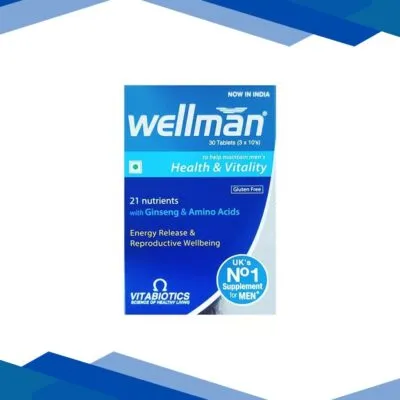
WELLMAN GLUTEN FREE Tablet 30’s
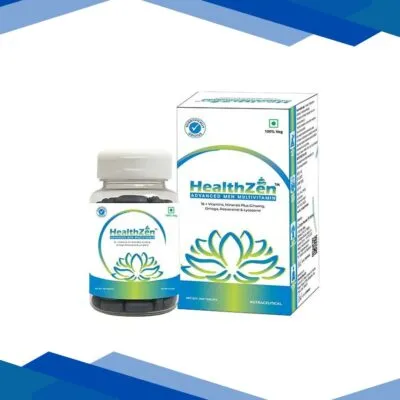
HEALTHZEN ADVANCED MEN MULTIVITAMIN Tablet 30’s