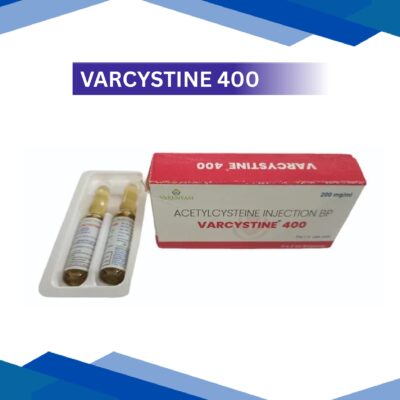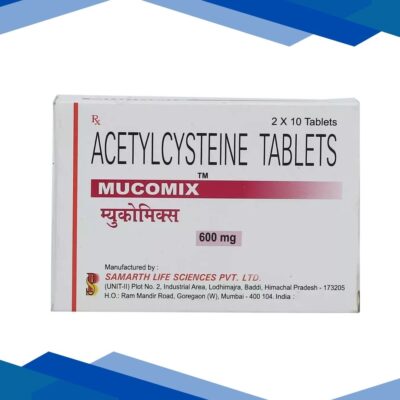
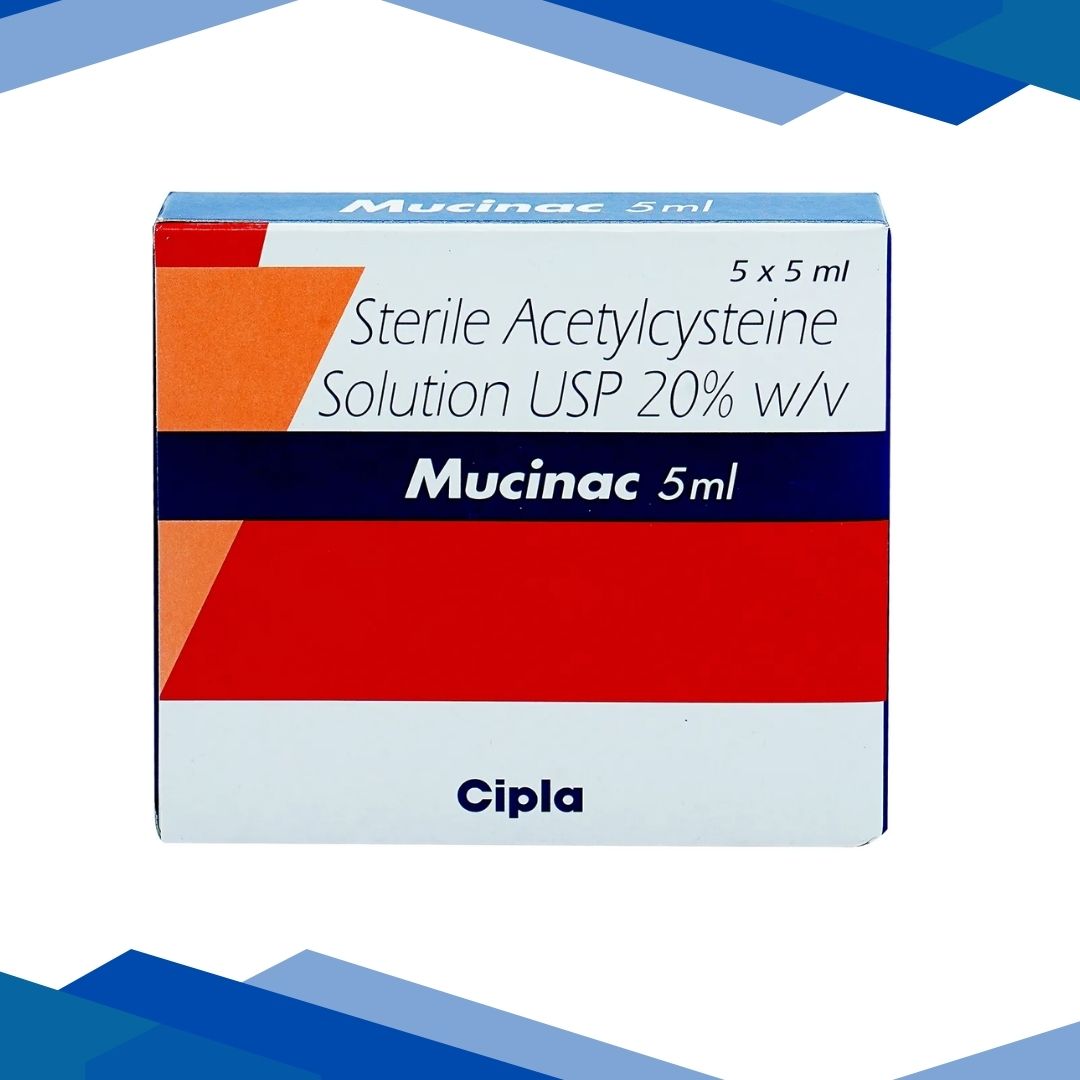
Mucinac Injection 5ml
No Prescription yet? Don’t worry! Click Here to Get Online Consultation
Mucinac Injection is a mucolytic medicine commonly used to help clear thick and sticky mucus from the airways in respiratory conditions such as chronic bronchitis, chronic obstructive pulmonary disease (COPD), and other lung disorders. It works by breaking down the structure of mucus, making it thinner and easier to cough out, which helps improve breathing and reduce chest congestion. Mucinac Injection is also used in certain medical settings as an antidote for paracetamol overdose, where it helps protect the liver from damage. Due to its antioxidant properties, it may also support the body’s natural defense against oxidative stress. Mucinac Injection should be used under appropriate medical guidance to ensure safe and effective treatment based on individual health needs
Description
Mucinac Injection is a well-established medicine that is widely used in respiratory care and toxicology. it belongs to a class of medicines known as mucolytic agents, which help break down and loosen thick mucus in the airways, making it easier to cough out and clear from the lungs. by reducing the thickness and stickiness of mucus secretions, Mucinac Injection helps improve breathing and supports better lung function in individuals suffering from conditions associated with excessive mucus production. it is commonly prescribed for various respiratory disorders where mucus accumulation can interfere with normal breathing and airway clearance.
one of the unique characteristics of Mucinac Injection is its ability to replenish glutathione, a powerful antioxidant naturally present in the body. glutathione plays a crucial role in protecting cells from damage caused by free radicals and oxidative stress. Mucinac Injection serves as a precursor to glutathione, helping the body maintain adequate antioxidant defenses. this property contributes not only to its respiratory benefits but also to its important role in specific medical emergencies involving toxin exposure.
in respiratory conditions such as chronic bronchitis, chronic obstructive pulmonary disease (copd), bronchiectasis, and other mucus-producing disorders, Mucinac Injection helps reduce mucus viscosity. when mucus becomes excessively thick, it can trap bacteria, irritants, and inflammatory substances within the airways, increasing the risk of infections and breathing difficulties. Mucinac Injection works by disrupting chemical bonds within mucus proteins, resulting in thinner secretions that are easier to expel through coughing.
apart from its respiratory applications, Mucinac Injection is also recognized as an important antidote in cases of paracetamol (acetaminophen) overdose. in such situations, it helps protect the liver by restoring depleted glutathione levels and reducing toxic damage. because of its broad therapeutic benefits and well-established safety profile when used appropriately, Mucinac Injection remains a valuable medication in modern medical practice. however, like all medicines, it should be used under the guidance of a qualified healthcare professional to ensure appropriate use and monitoring.
ingredients
- Mucinac Injection: Mucinac Injection is the active pharmaceutical ingredient responsible for the therapeutic effects of the medicine. it acts primarily as a mucolytic agent by breaking down thick mucus secretions in the respiratory tract, making them easier to remove. it also functions as a precursor to glutathione, an important antioxidant that helps protect cells from oxidative damage and supports detoxification processes within the body.
- inactive ingredients (may vary by manufacturer): depending on the dosage form and brand, the formulation may contain excipients such as flavoring agents, sweeteners, stabilizers, preservatives, buffering agents, or diluents. these ingredients help improve stability, taste, absorption, and overall product performance but do not contribute directly to the therapeutic effects.
key uses
- chronic bronchitis: helps reduce the thickness of mucus, making it easier to clear the airways and improving breathing comfort.
- chronic obstructive pulmonary disease (copd): assists in mucus clearance, which may help reduce airway obstruction and support respiratory function.
- bronchiectasis: facilitates removal of excessive mucus accumulation, helping reduce the risk of recurrent infections and airway blockage.
- cystic fibrosis: may be used as part of respiratory management to help loosen and remove thick secretions from the lungs.
- respiratory tract infections: supports mucus clearance in conditions where thick secretions contribute to coughing and breathing difficulties.
- paracetamol (acetaminophen) overdose: acts as a life-saving antidote by protecting liver cells from toxic injury and replenishing glutathione levels.
- mucus-related breathing problems: helps patients experiencing excessive mucus production due to various respiratory illnesses.
- oxidative stress management: through its role in glutathione production, it may contribute to cellular antioxidant protection in specific clinical situations.
- airway clearance therapy: commonly included in treatment plans designed to improve mucus elimination and respiratory hygiene.
- supportive respiratory care: used in selected patients requiring assistance with the management of thick bronchial secretions.
how to use
Mucinac Injection should always be used according to the recommendations provided by a healthcare professional or as directed on the product label. the medicine is available in various formulations, including tablets, effervescent tablets, oral solutions, sachets, inhalation preparations, and injectable forms. the appropriate form and duration of treatment depend on the medical condition being treated.
when taken orally, Mucinac Injection may be consumed with or without food unless otherwise advised. effervescent tablets should be dissolved completely in water before consumption. adequate hydration is generally recommended because fluids can help enhance mucus clearance. for inhalation therapy, specialized equipment and instructions may be required to ensure proper administration.
patients should complete the prescribed treatment course and avoid discontinuing therapy without medical advice. if symptoms persist, worsen, or new symptoms develop, medical evaluation is recommended. individuals using Mucinac Injection for chronic respiratory conditions may require ongoing monitoring to assess treatment effectiveness and overall respiratory health.
safety information
- warnings: Mucinac Injection should be used cautiously in individuals with asthma, bronchospasm, stomach ulcers, or a history of severe allergic reactions. some patients may experience airway irritation, particularly when inhaled. immediate medical attention should be sought if signs of a serious allergic reaction occur.
- side effects: common side effects may include nausea, vomiting, diarrhea, abdominal discomfort, indigestion, headache, unpleasant taste, and mild skin rash. inhaled forms may occasionally cause coughing, throat irritation, runny nose, or bronchospasm. serious adverse reactions are uncommon but may include severe allergic reactions, swelling, breathing difficulty, or significant skin reactions requiring urgent medical care.
- precautions: individuals with asthma should be monitored carefully because Mucinac Injection may occasionally trigger bronchospasm. patients with gastrointestinal disorders, especially peptic ulcer disease, should discuss potential risks with their healthcare provider before use. elderly patients and those with multiple medical conditions may require individualized monitoring.
- pregnancy/breastfeeding: available evidence suggests that Mucinac Injection may be used during pregnancy or breastfeeding when clearly needed and under medical supervision. pregnant or breastfeeding individuals should consult their healthcare provider before starting treatment to ensure that potential benefits outweigh any possible risks.
- interactions: Mucinac Injection may interact with certain medications. some antibiotics may require administration at different times to avoid potential interference with absorption. activated charcoal may reduce its effectiveness in overdose treatment settings. patients should inform their healthcare provider about all prescription medicines, over-the-counter products, supplements, and herbal remedies they are taking.
- alcohol use: while no major direct interaction is generally recognized, excessive alcohol consumption can worsen certain health conditions and may increase stress on the liver. medical advice should be sought regarding alcohol use during treatment.
- driving and machinery: Mucinac Injection is not typically associated with significant impairment of alertness. however, individuals experiencing side effects such as dizziness or discomfort should exercise caution until they understand how the medicine affects them.
- allergic reactions: rare hypersensitivity reactions may occur. symptoms such as swelling of the face, lips, tongue, difficulty breathing, widespread rash, or severe itching require immediate medical attention.
additional information
- storage: store Mucinac Injection according to the instructions provided on the packaging. generally, it should be kept in a cool, dry place away from direct sunlight, excessive heat, and moisture. keep the medicine out of reach of children and pets.
- missed dose: if a dose is missed, take it as soon as remembered unless it is nearly time for the next scheduled dose. do not take extra medicine to compensate for a missed dose. follow the regular dosing schedule thereafter.
- overdose: accidental overdose may cause symptoms such as nausea, vomiting, diarrhea, abdominal pain, or other gastrointestinal disturbances. in the event of a suspected overdose, seek immediate medical assistance or contact a poison control center.
- habit forming: no. Mucinac Injection is not considered habit-forming and does not produce dependence, addiction, or withdrawal symptoms when used appropriately.
- monitoring: patients receiving long-term therapy may benefit from periodic assessment of respiratory symptoms and overall treatment response.
- hydration support: maintaining adequate fluid intake may help optimize mucus clearance and enhance the effectiveness of mucolytic therapy.
- medical follow-up: regular follow-up appointments may be recommended for individuals with chronic respiratory diseases to evaluate treatment progress and adjust management plans if necessary.
frequently asked questions
Q: what is Mucinac Injection used for?
A: Mucinac Injection is primarily used to loosen and thin thick mucus in respiratory conditions such as chronic bronchitis, copd, and bronchiectasis. it is also used as an antidote for paracetamol overdose to help protect the liver from toxic damage.
Q: how does Mucinac Injection work?
A: Mucinac Injection works by breaking chemical bonds within mucus, reducing its thickness and stickiness. it also helps replenish glutathione levels, an important antioxidant that protects cells from oxidative stress and toxin-related injury.
Q: can Mucinac Injection help with cough?
A: Mucinac Injection may help when a cough is associated with thick mucus production. by thinning mucus, it makes secretions easier to expel and may improve airway clearance.
Q: is Mucinac Injection an antibiotic?
A: no. Mucinac Injection is not an antibiotic. it does not kill bacteria but helps clear mucus from the respiratory tract, which may support overall respiratory health.
Q: can Mucinac Injection be taken long term?
A: in some chronic respiratory conditions, Mucinac Injection may be used for extended periods under medical supervision. the duration of treatment depends on the individual's condition and response to therapy.
Q: does Mucinac Injection cause drowsiness?
A: Mucinac Injection does not commonly cause drowsiness. most patients can continue their normal daily activities unless they experience unusual side effects.
Q: can Mucinac Injection be used during pregnancy?
A: Mucinac Injection may be used during pregnancy when considered necessary by a healthcare professional. medical advice should always be obtained before use.
Q: is Mucinac Injection safe during breastfeeding?
A: available information suggests that Mucinac Injection may be used during breastfeeding when recommended by a healthcare provider. individual assessment is important.
Q: what are the most common side effects of Mucinac Injection?
A: common side effects include nausea, vomiting, diarrhea, stomach discomfort, headache, unpleasant taste, and mild skin reactions. most side effects are generally mild and temporary.
Q: can people with asthma use Mucinac Injection?
A: people with asthma may use Mucinac Injection under medical supervision. some individuals may experience bronchospasm, so monitoring may be necessary.
Q: can Mucinac Injection be taken with antibiotics?
A: in many cases, yes. however, certain antibiotics may need to be taken at different times. consult a healthcare professional for personalized guidance.
Q: how quickly does Mucinac Injection start working?
A: the onset of benefits varies depending on the condition being treated. many patients notice improved mucus clearance within a short period after starting therapy.
Q: can Mucinac Injection prevent respiratory infections?
A: Mucinac Injection is not specifically designed to prevent infections, but improved mucus clearance may help reduce mucus accumulation that can contribute to respiratory complications in some patients.
Q: is Mucinac Injection habit forming?
A: no. Mucinac Injection does not cause dependence, addiction, or withdrawal symptoms and is not considered habit forming.
Q: should i stop taking Mucinac Injection when i feel better?
A: do not stop treatment without consulting your healthcare provider. completing the recommended course helps ensure optimal therapeutic benefit.
this information is for educational purposes only and should not be considered medical advice. always consult a qualified healthcare professional before use.
“`
At Gem Pharmacy, we make every effort to provide accurate, expert-written, and thoroughly reviewed information related to medicines. However, this information should not be considered a substitute for professional medical advice, diagnosis, or treatment from a qualified doctor.
The purpose of this information is to educate users and improve communication between patients and healthcare professionals. It should not be used to diagnose or treat any condition.
Always consult a certified healthcare professional before taking any medication.


Related products