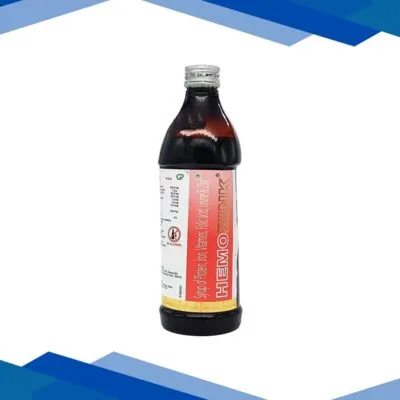

Minmin Tonic 200ml
Minmin Tonic is an iron-containing medicinal compound used primarily to prevent and treat iron deficiency anemia. It provides a bioavailable form of iron that supports the production of hemoglobin, which is essential for carrying oxygen in the blood. By gradually restoring iron levels in the body, it helps improve symptoms such as fatigue, weakness, and reduced immunity caused by iron deficiency.
This medicine is generally well tolerated and is often preferred in patients who require long-term iron supplementation. It is commonly used during pregnancy, growth phases, or conditions involving chronic blood loss. However, it should be taken under medical supervision to avoid excess iron accumulation and related complications
Description
Minmin Tonic is a water-soluble iron complex widely used in the prevention and treatment of iron deficiency states and certain types of anemia. it contains iron in a bioavailable form bound with ammonium and citrate ions, which helps improve its stability and absorption in the gastrointestinal tract. this compound is commonly used when dietary iron intake is insufficient or when the body’s iron requirements increase, such as during growth, pregnancy, or chronic blood loss conditions.
once administered, Minmin Tonic acts as a source of elemental iron, which is essential for hemoglobin synthesis in red blood cells. hemoglobin is responsible for transporting oxygen throughout the body. when iron levels are low, the body cannot produce adequate healthy red blood cells, leading to symptoms such as fatigue, weakness, and decreased immunity. this medicine helps replenish iron stores gradually, supporting normal erythropoiesis (red blood cell formation).
unlike some inorganic iron salts that may cause gastrointestinal irritation, Minmin Tonic is relatively better tolerated due to its chelated structure. it is absorbed in the small intestine and transported to the bone marrow where iron is incorporated into hemoglobin. it may also be used in certain laboratory and industrial applications, but its primary medical use remains as an iron supplement.
this medicine is generally recommended for individuals diagnosed with iron deficiency anemia or those at risk of developing iron deficiency. however, it should always be used under medical supervision to avoid iron overload, which can be harmful to organs such as the liver and heart.
ingredients
- Minmin Tonic: the primary active component, providing bioavailable iron required for hemoglobin formation and oxygen transport in the blood. it helps restore normal iron levels and improves red blood cell production.
- ammonium ion component: helps stabilize the iron complex in solution and supports improved solubility, ensuring better absorption in the digestive tract.
- citrate component (citric acid derivative): acts as a chelating agent that binds iron, enhancing its stability and bioavailability while reducing gastrointestinal irritation compared to simpler iron salts.
- purified water or excipients (in formulations): used as a solvent or carrier in liquid preparations, ensuring uniform distribution of the active ingredient and ease of administration.
key uses
- iron deficiency anemia treatment: used to restore iron levels in patients suffering from anemia caused by insufficient iron intake or absorption issues.
- prevention of iron deficiency: helps prevent iron depletion in high-risk groups such as pregnant women, growing children, and individuals with poor dietary intake.
- post-blood loss recovery: supports replenishment of iron stores after acute or chronic blood loss due to surgery, trauma, or gastrointestinal bleeding.
- pregnancy and lactation support: used under medical supervision to meet increased iron demands during pregnancy and breastfeeding periods.
- support in chronic conditions: may be used in long-term conditions where iron utilization is impaired, helping maintain normal hemoglobin levels and energy balance.
how to use
Minmin Tonic should be used strictly according to the instructions provided by a healthcare professional. it is usually taken orally in liquid or tablet form, preferably after meals to minimize stomach upset. taking it with food may also improve tolerance, although absorption is generally better on an empty stomach in some cases.
the medicine should be taken at evenly spaced intervals to maintain stable iron levels in the body. it is important not to exceed the recommended duration of use without medical advice, as excessive iron intake can lead to toxicity. patients are often advised to avoid taking this supplement with certain foods or drinks, such as tea, coffee, or dairy products, as they may reduce iron absorption.
for optimal effectiveness, Minmin Tonic may be combined with vitamin c-rich foods or supplements, as vitamin c enhances iron absorption. however, this should only be done under professional guidance. regular blood tests may be required to monitor hemoglobin and ferritin levels during treatment.
safety information
- warnings: Minmin Tonic should not be used in individuals with iron overload conditions such as hemochromatosis or hemosiderosis. excess iron accumulation can damage vital organs, including the liver, pancreas, and heart. it should be used with caution in patients with gastrointestinal disorders.
- side effects: common side effects include mild nausea, stomach discomfort, constipation, diarrhea, dark-colored stools, and metallic taste. serious but rare side effects may include allergic reactions, severe abdominal pain, or signs of iron toxicity such as vomiting blood or low blood pressure.
- precautions: patients with a history of ulcers, liver disease, or chronic inflammatory conditions should use this medicine cautiously. pediatric and geriatric use requires careful dosing and monitoring. it should be kept out of reach of children due to the risk of accidental overdose.
- pregnancy/breastfeeding: Minmin Tonic is commonly used during pregnancy under medical supervision, as iron requirements increase significantly. it is generally considered safe when taken as directed, but overdosing should be strictly avoided. during breastfeeding, it is usually safe but should still be used under healthcare guidance.
- interactions: this medicine may interact with antacids, tetracycline antibiotics, quinolone antibiotics, and certain thyroid medications, reducing their absorption or effectiveness. alcohol consumption may worsen gastrointestinal side effects and should be avoided or minimized during treatment.
additional information
- storage: store in a cool, dry place away from direct sunlight and moisture. keep the container tightly closed and out of reach of children. do not freeze liquid formulations.
- missed dose: if a dose is missed, it should be taken as soon as remembered unless it is close to the time of the next dose. in that case, the missed dose should be skipped. do not double the dose to compensate for a missed one.
- overdose: iron overdose can be serious and potentially life-threatening, especially in children. symptoms may include severe vomiting, abdominal pain, confusion, seizures, and organ damage. immediate medical attention is required in case of suspected overdose.
- habit forming: Minmin Tonic is not habit-forming. it does not cause dependence or addiction. however, long-term use should still be monitored by a healthcare professional to avoid iron overload.
frequently asked questions
Q: what is Minmin Tonic mainly used for?
A: it is primarily used to treat and prevent iron deficiency anemia by replenishing iron stores in the body and supporting healthy red blood cell production.
Q: can Minmin Tonic be taken daily?
A: yes, it is often prescribed for daily use in iron deficiency conditions, but the exact duration and dose should always be determined by a healthcare professional.
Q: does Minmin Tonic cause constipation?
A: yes, like many iron supplements, it may cause constipation in some individuals, although it is generally better tolerated than some other iron salts.
Q: is Minmin Tonic safe during pregnancy?
A: it is commonly used during pregnancy to meet increased iron requirements, but it should only be taken under medical supervision to ensure safety and proper dosing.
Q: can it be taken with food?
A: yes, it is often taken after meals to reduce stomach irritation, although absorption may be slightly better when taken on an empty stomach in some cases.
Q: what happens if i take too much Minmin Tonic?
A: overdose can lead to iron toxicity, which may cause severe abdominal pain, vomiting, organ damage, and requires immediate medical attention.
Q: does it interact with other medicines?
A: yes, it can interact with certain antibiotics, antacids, and thyroid medications, reducing their effectiveness, so timing and spacing of doses is important.
Q: how long does it take to work?
A: improvement in symptoms like fatigue may be noticed within a few weeks, but full correction of iron deficiency may take several months depending on severity.
Q: can children take Minmin Tonic?
A: yes, but only under strict medical supervision with appropriate dosing, as children are more sensitive to iron overdose.
Q: is this medicine habit forming?
A: no, Minmin Tonic is not habit forming and does not cause dependency.
this information is for educational purposes only and should not be considered medical advice. always consult a qualified healthcare professional before use.
At Gem Pharmacy, we make every effort to provide accurate, expert-written, and thoroughly reviewed information related to medicines. However, this information should not be considered a substitute for professional medical advice, diagnosis, or treatment from a qualified doctor.
The purpose of this information is to educate users and improve communication between patients and healthcare professionals. It should not be used to diagnose or treat any condition.
Always consult a certified healthcare professional before taking any medication.


Related products