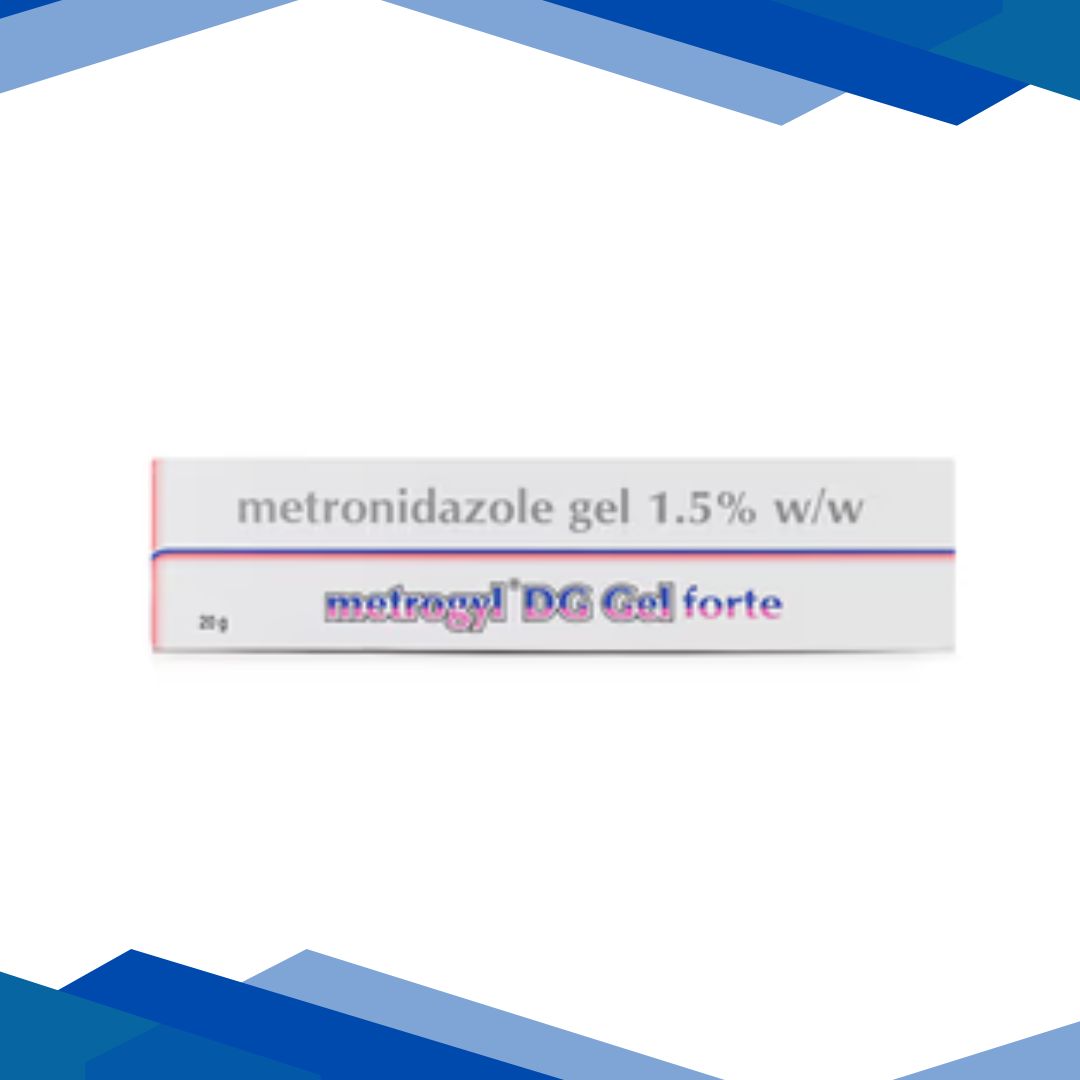
Metrogyl DG Forte Gel 20gm
No Prescription yet? Don’t worry! Click Here to Get Online Consultation
A topical gel formulation containing a combination of antimicrobial agents, used for infections of the mouth/oral cavity (gingiva, ulcers, plaque) and minor skin lesions. For more details kindly click on Medicine Salts below:
Chlorhexidine Gluconate
Chlorhexidine Gluconate 0.2% w/v Oral Rinse
Chlorhexidine Gluconate 0.2% w/v is a very strong, broad-spectrum antiseptic and anti-plaque oral liquid. It is usually prescribed (or strongly recommended) to help with gingivitis, like swollen or bleeding gums, and to keep dental plaque from building up too fast. It also helps painful mouth ulcers calm down quicker, and it supports oral cleanliness when brushing is limited because of injury or after surgical recovery.
Therapeutic Class: Antiseptics / Anti-infectives
Active Concentration: Chlorhexidine Gluconate IP 0.2% w/v
Form: Liquid
Liquid Oral Rinse / Mouthwash
Prescription Status: Over-The-Counter (OTC) / often recommended directly by dental surgeons
Primary Uses & Clinical Benefits
1. Gingivitis & Gum Inflammation Control
Chlorhexidine Gluconate works to reduce the harmful microbe communities that drive red, puffy, bleeding gums. When used regularly, it can help reverse early gum issues and support healthier tissue structure.
2. Anti-plaque Defense (when brushing is hard)
When tooth brushing hurts or is restricted clinically (like after wisdom tooth extraction or periodontal procedures), this rinse can act like a chemical guard. It sticks to oral surfaces and helps stop the formation of tacky bacterial plaque films.
3. Quicker Mouth Ulcer Recovery
The solution cleans aphthous ulcers (canker sores) and helps with localized oral infections by reducing the chance of secondary bacterial invasion. This supports the natural mucosal tissue repair process.
Mechanism of Action: How It Works
Chlorhexidine Gluconate is a cationic (positively charged) molecule. It binds tightly to negatively charged cell walls of bacteria, fungi, and certain viruses found in the mouth. This disrupts the cell membrane, so key cellular contents leak out, and the pathogens are effectively killed.
One key aspect is its substantivity—it adheres to enamel, gums, and oral tissues and then releases antibacterial activity gradually for up to about 12 hours, providing longer lasting protection.
Directions for Use & Daily Protocol
To get the full effect and reduce the chance of neutralizing the active ingredient, follow this order carefully:
1. Brush and Floss First:
Prerequisite Step.
Brush and floss thoroughly. Rinse your mouth to remove every bit of toothpaste residue with plain water completely, before you open the medication.
2. Measure the Exact Dose:
10 ml to 15 ml.
Pour exactly 10 ml to 15 ml (roughly one tablespoon) of the undiluted Chlorhexidine Gluconate liquid into the measuring cap provided. Do not dilute it with water and do not mix it.
3. Swish and Hold:
60 seconds.
Place the solution in your mouth and swish firmly around teeth and gums for a full 60 seconds. Do not gargle it in the throat, and do not swallow the liquid.
4. Spit Out and Wait:
30-minute hold.
Spit the liquid out fully. Important: do not rinse your mouth with water, do not brush your teeth, and do not eat, drink, or smoke for at least 30 minutes after using it.
Side Effects & Adverse Actions
Chlorhexidine Gluconate is effective, but longer or improper use can lead to certain localized side effects. Keep an eye on them.
Common Oral Side Effects
- Surface staining: temporary brown or yellowish staining on the teeth, tongue surface, dental restorations, or dentures
- Taste alteration: a brief bitter taste, or a short change in how food and drinks taste right after use
- Increased tartar: more calculus buildup, meaning hardened plaque deposits, especially with extended timelines
Serious Symptoms (Stop use and seek medical help right away)
- Sudden swelling of the salivary glands, like the parotid glands, under the jaw or near the ears
- Severe allergic reactions, including skin rash, swelling of face, lips, tongue, or throat, with immediate breathing trouble
- Painful peeling or raw irritation inside cheeks and on the oral mucosa
Safety Profiles & Critical Warnings
Patient Category | Clinical Status | Medical Directives & Rationale
Pregnancy: Safe
Generally considered safe when your dentist explicitly approves it. Systemic absorption through oral tissues is minimal.
Breastfeeding: Safe
Compatible with lactation because it does not enter breast milk in clinically meaningful amounts that would impact a nursing infant.
Pediatric Use
⚠️ High Caution
Not recommended for children below 6 years unless a pediatric dentist directs it, due to the higher chance of accidental swallowing.
Tooth Fillings
⚠️ Notice
May cause permanent discoloration on front-tooth composite or synthetic restorations if their surfaces are rough or already degraded.
Frequently Asked Questions (FAQs)
Q. Why can’t I rinse my mouth with water immediately after using Chlorhexidine?
Because rinsing with water removes the medicine before it can properly latch to your teeth and gums, and that reduces the effectiveness dramatically. Also, rinsing right after use can make the bitter aftertaste worse.
Q. Why does toothpaste mess with Chlorhexidine Gluconate oral rinse?
Many toothpastes include Sodium Lauryl Sulfate (SLS), which is a foaming agent. SLS is negatively charged and it chemically binds to the positively charged Chlorhexidine molecule, neutralizing its germ-killing activity. Always rinse well with water to clear all toothpaste traces before using the oral rinse, or schedule the mouthwash for a completely different time of day.
Q. How can I reduce the brown stains from this mouthwash?
Those brown surface stains are not permanent structural damage. They show up because the medicine binds to dietary tannins found in foods. You can reduce staining by brushing and flossing daily, and avoiding dark beverages like tea, coffee, or red wine for at least an hour after use. If any stain remains after your treatment period ends, a dental professional can remove it with routine scaling and polishing.
Q. Can I use Chlorhexidine Gluconate as a daily cosmetic rinse for bad breath?
No. It should not replace a regular daily mouthwash. Because it is a strong antimicrobial, constant use beyond about 2 to 4 weeks may disturb the natural balance of your oral microbiome, increase tartar build-up, and change taste perception. Use it only for the short-term duration your dentist recommends.
Metronidazole
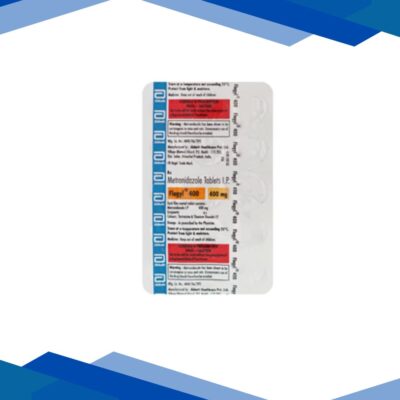
Metronidazole 400 mg Tablet
Metronidazole is an antibiotic widely marketed under the brand name Flagyl. It is a powerful antiprotozoal agent used to treat infections caused by anaerobic bacteria and parasites such as amoebiasis and giardiasis. It works by entering the DNA of microorganisms, preventing replication and thereby eliminating the infection.
Therapeutic Uses
Bacterial Infections: Used for abdominal, liver, skin, joint, and respiratory tract infections caused by anaerobic bacteria.
GI-Related Disorders: Effective in H. pylori infection and amoebiasis.
Dental Abscess: Used to treat oral bacterial infections, including dental caries-related infections and gingivitis.
Specific Infections: Indicated for bacterial vaginosis and trichomoniasis.
Proper Use
Complete Full Course: Always finish the entire prescribed course even if symptoms improve early. Incomplete use may lead to infection recurrence or antibiotic resistance.
Swallow Whole: Do not crush or chew the tablet.
With Food: Take with a meal, water, or milk to reduce stomach irritation.
Missed Dose: Take as soon as remembered. If it is close to the next dose, skip the missed dose. Do not double dose.
Important Safety Measures
Alcohol Warning: Avoid alcohol completely during treatment and for 48–72 hours after the last dose. It may cause a disulfiram-like reaction including nausea, vomiting, abdominal cramps, headache, and flushing.
Pregnancy & Breastfeeding: Inform your doctor if you are pregnant, especially in the first trimester.
Nerve Health: Long-term use may cause neurological symptoms such as tingling or numbness in limbs. Report any such signs immediately.
Liver Function: Dose adjustment may be required in liver impairment.
Potential Side Effects
Most are mild and temporary:
Metallic taste in mouth
Nausea or abdominal cramps
Loss of appetite
Headache
⚠️ Rare but serious effects may include pancreatic irritation or peptic ulcer complications.
Frequently Asked Questions (FAQs)
Q: Why does my mouth taste like metal?
A: A metallic taste is a common and temporary side effect. It usually resolves within 1–7 days after stopping treatment. Chewing sugar-free gum or mint may help.
Q: Can Metronidazole be used for common cold or flu?
A: No. It is effective only against bacterial and protozoal infections, not viral infections like cold, flu, or COVID-19.
Q: How soon will I feel better?
A: Improvement often occurs within 24–48 hours, but the full course must be completed to ensure complete eradication of infection.
Q: Is it safe to drive while taking this medicine?
A: Generally yes, but avoid driving if you experience dizziness or confusion.
Q: Can I take it with other medications?
A: Metronidazole may interact with warfarin and lithium. Always inform your doctor about all medications and supplements.
At Gem Pharmacy, we make every effort to provide accurate, expert-written, and thoroughly reviewed information related to medicines. However, this information should not be considered a substitute for professional medical advice, diagnosis, or treatment from a qualified doctor.
The purpose of this information is to educate users and improve communication between patients and healthcare professionals. It should not be used to diagnose or treat any condition.
Always consult a certified healthcare professional before taking any medication.


Related products