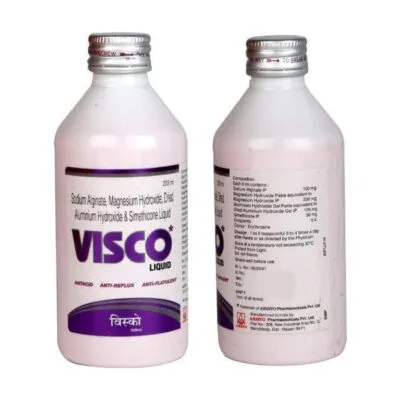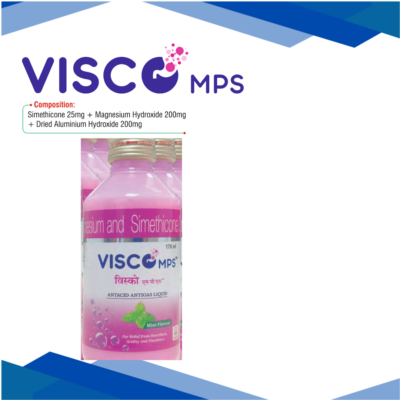

LAGLO SOFT Lotion 200ml
No Prescription yet? Don’t worry! Click Here to Get Online Consultation
Almagate + Simethicone is a combination medicine commonly used to relieve acidity, heartburn, gas, and indigestion. Almagate works as an antacid that neutralizes excess stomach acid, while Simethicone helps break down gas bubbles in the stomach and intestines, reducing bloating and discomfort. It provides quick relief from symptoms associated with acid reflux and gastric irritation.
Glycerin
Liquid Paraffin
Liquid paraffin: Proved Policeman in constipation and dry skin conditions
Liquid paraffin is a highly fixed mineral oil of variable pharmaceutical grades for gastroenterology and dermatology applications. It serves the dual role of providing lubricant functions as a laxative for occasional constipation when taken internally and being an intense moisturizer to soothe and heal damaged skin barriers when applied topically.
How - The Pharmacology
It functions (ACTIVITY OF THE DRUG) as far as the total system is concerned through mechanical action and inherent potentialities and till on how it is administered-PO or otherwise.
Oral Therapeutics: When taken orally, it is a lubricant laxative. It passes through the digestive tract smoothly without being much absorbed. Instead, it smoothly coats the stool and inner lining of the intestines with a thin film of oil retaining moisture, preventing the colon from absorbing excess water from the waste and expanding the passage of the bowels.
Dermal Use: When applied on the skin, it acts as a mild occlusive emollient. Its barrier-effect ally rests in laying down a layer of micro-molecules protecting the stratum corneum, which already exists to hold in moisture, avoiding TEWL, and permitting dry and chapped skin cells to heal.
Major Clinical Uses
Mild Laxative: Best for temporary duration in cases of acute or frequent constipation, especially where the person needs to avoid straining - as in cases of cardiovascular events or recent abdominal surgery.
Intensive Skin Hydration: Provides effective control over long-time episodes of drying skin, including eczema, psoriasis, xerosis, and wintertime itching.
Non-Stimulant Action: In contrast to stimulant laxatives, it does not briskly stimulate the muscular contractions of the intestine, which in turn causes intolerable cramps.
Soothing and Inert Profile: It is highly purified to yield an impurity-free substance, imparting an inert nature exempt from upsetting allergens for ultra-sensitive skin.
Posology & Administration
For Oral Use (Laxative):
Dose & Instruction: Use of Liquid Paraffin is accompanied by personal doctor's guidance/internal pack measurement.
Time: Empty stomach maybe the right-most time to take Liquid Paraffin; it could come either late at night before bedtime or first in the morning.
Upright Position: Attending to take a dose, the patient should ensure he stays seated and upright to keep any accidental lung aspiration at bay for 30 to 60 mins.
For Topical Use:
The instructions must be followed as given in the section Apply to Damp Skin: The product must be gently rubbed onto your skin immediately after you take a bath or shower, because in this way it can help lock in the maximum surface moisture.
Direction of Application: Gently glide on the product in the direction of natural hair growth rather than kneading it in may cause some irritation to the hair roots.
Frequently Asked Questions (FAQs)
1. How long does it take for oral Liquid Paraffin to work?
Oral Liquid Paraffin as a laxative acts in about 6 hours to 8 hours. That's why it's often recommended as a bedtime dose so you can have relief by the next morning.
2. Can I take Liquid Paraffin orally every day?
Oral Liquid Paraffin can provide short-term symptomatic relief (normally not lasting more than a week); hence putting a stop to its use is mandatory. Long-time internal ingestion can lead to enveloping the intestinal wall to a point that the absorption of required fat soluble essential vitamins—Vitamins A, D, E, and K—is affected.
3. What is the specific danger in lying down straight away after swallowing it?
ANS: Liquid Paraffin is a lipid substance that flows freely with a very low surface tension. If the recipient lies down too quickly, some droplets may drift toward the pharynx and could accidentally be inhaled (aspiration) into the lung sovereignly absent of the normal cough reflex, causing a kind of serious respiratory condition known as lipid pneumonia. For the foretold reasons, its promise should never be given to anyone that can not leave bed, with reference to the pregnant or the old, though not excluding infants and those with difficulty swallowing.
4. Is Liquid Paraffin safe to use on my face for dry skin?
While a truly great moisturizer for dry patches on the body, elbows, and knees, pure Liquid Paraffin is really occlusive. If you are prone to acne or have naturally oily skin, using it on your face might trap sebum and dirt, erasing the possibilities of breakouts or clogged pores.
5. How does Liquid Paraffin differ from White Soft Paraffin?
The primary difference between these two is in their corresponding consistency toward usage. As organic or fully lipid oils, Liquid Paraffin is completely fluid oil and carries a certain level of lubrication and ease when spread thin over a larger body area or intelligently swished down orally as an emulsion. White Soft Paraffin (petroleum jelly) has the silk-like texture of a thickened, semisolid ointment, serving its lone purpose of imparting heavy, localized surface protection.
Simethicone
Simethicone, often prescribed as oral drops, chewable tablets, or capsules to relieve gas and pain, has almost become an accepted default anti-foaming agent for dyspepsia. Simethicone is actually an inert material that works to relieve its issues in physical ways without entering the general circulation and hence it is safe enough for children. Simethicone is usually available singly or in a tablet combined with an antacid for indigestion and heartburn.
UseTherapeutic Uses
Relieves Bloating: Quickly eases the bloated sensation of fullness and pressure in the stomach
Manages Flatulence: Assists in easy escape of the air, thereby reducing trapping of intestinal wind
Infantile Colic: Pediatric drops are often used to soothe babies with gas-induced distress
Preparation for Diagnosis: Occasionally used to clear out the gas shadow from the gastrointestinal tract before endoscopic or radiographic investigations
Mechanism of Action
All in all, simethicone lowers the surface tension of gas bubbles in the stomach and intestines.
Coalescence: This phenomenon brings together the small bubbles caught inside the larger ones.
Evacuation: These larger bubbles become more manageable for the body to excrete either by belching or burping.
Note: Simethicone does not prevent gas from forming but makes it easier to exit from the body.
Dosage & Administration
Adults: Generally, 40-125 mg should be taken four times a day or the dosage should be given as needed.
Children: Dosage used in infants is normally weight-based. Use the medicine dropper provided with the drug.
Timing: It is better to take simethicone after meals and at bedtime.
Form: The chewable tablets need to be thoroughly chewed before swallowing; liquids must be shaken prior to usage
Safety Profile & Side Effects
Since simethicone does not enter the bloodstream, its side effects are almost nonexistent, leading to a good safety profile.
Use of Common Side Effects: Infrequent record of diarrhea or nausea. Consult your physician if you experience any signs of allergy.
Prep & Warnings
Interactions: Simethicone could potentially reduce the uptake of indifferent thyroid medicaments (Levothyroxine) while being taken. Keep four hours in between the two.
Pregnancy/Breastfeeding: It ought to be fine, as it is not leaked into the general circulation, but do ask the doctor.
Underlying/Minor Ailments: If they bother people for more than two weeks or get worse, sidle close to a gastroenterologist.
FAQs
Q: Can Simethicone be an antacid?
No; simethicone is, in fact, an antiflatulent. While the combination of antacids and simethicone (such as magnesium hydroxide) available sell them as "2-in-1," they do not, in fact, work to neutralize stomach acid. It is working to break down the gas bubbles.
Q: When does simethicone usually begin to work?
You will typically feel relief in 15 to 30 minutes, as the gas bubbles begin to move through and break up in the digestive tract.
Q: Can I give simethicone to my newborn?
Yes, actually simethicone is quite often given to colicky babies. Just make sure you use only the infant-strength (drops) and administer as per pediatrician's instructions.
Q: Can simethicone be taken every day?
You can use it daily as needed; however, always discuss with your doctor if you need it every day for more than two weeks, to rule out chronic conditions like IBS or food intolerances.
Q: Does simethicone cause constipation?
No, simethicone doesn't usually induce constipation. Should you experience an alteration of your bowel habits, it could be the other ingredients and/or any existing components present within the formula that promote bowel habit alterations, so talk with your doctor about simethicone or the composition of the pharmaceutical preparation.
Storage
Store at room temperature ($20\text{°C}$ to $25\text{°C}$). Keep bottled products away from dampness and heat. Always keep the bottle tightly closed when not in use.
Disclaimer: These facts are only for educational purposes and not a piece of actual medical advice. Always go through the label or see your physician before using the product.
At Gem Pharmacy, we make every effort to provide accurate, expert-written, and thoroughly reviewed information related to medicines. However, this information should not be considered a substitute for professional medical advice, diagnosis, or treatment from a qualified doctor.
The purpose of this information is to educate users and improve communication between patients and healthcare professionals. It should not be used to diagnose or treat any condition.
Always consult a certified healthcare professional before taking any medication.


Related products
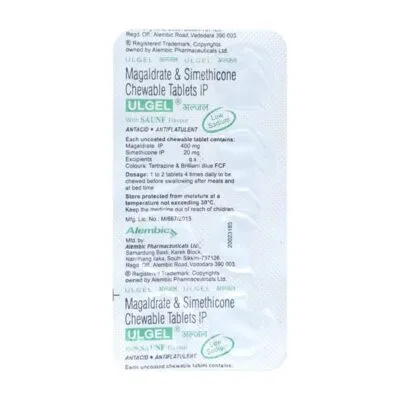
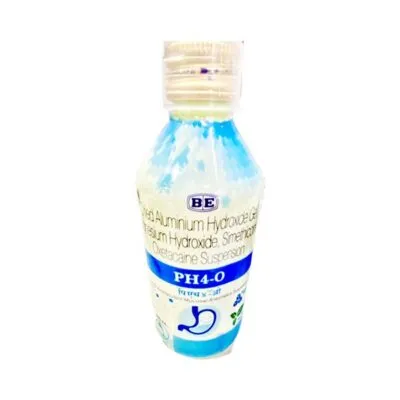
PH4 O Sugar Free Mint Flavour Oral Suspension 200ml