
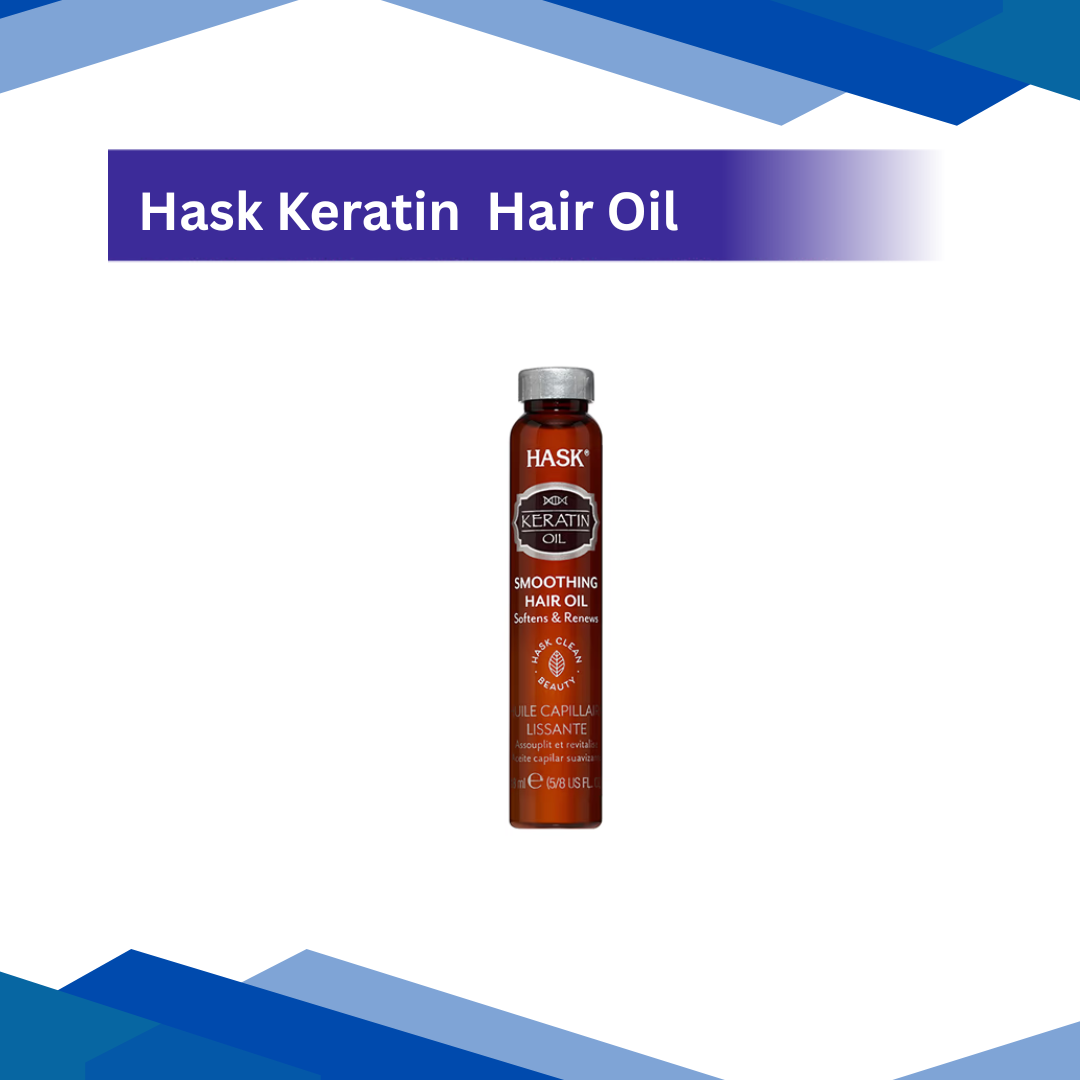
Hask Keratin Hair Oil 18 ml
Hask Keratin Smoothing Hair Oil is a lightweight, alcohol-free formula designed to restore moisture and enhance shine in dry, frizzy, or damaged hair. Enriched with keratin amino acids and jojoba seed oil, it helps smooth the hair shaft, reduce frizz, and add a healthy shine without leaving an oily residue. For more details kindly click on Medicine Salts below:
Hydroxypropyltrimonium Hydrolyzed Rice Protein
Hydroxypropyl Methylcellulose (HPMC)
Hydroxypropyl Methylcellulose (HPMC), also known as Hypromellose, is a highly viscous synthetic polymer widely used in ophthalmology and pharmaceuticals. It functions as a topical lubricant in eye care and as a controlled-release agent in oral drug formulations.
It is known for its biocompatibility, safety, and versatile applications, especially in managing dry eye conditions and enhancing drug delivery systems.
Main Uses & Indications
Lubrication of the Eyes: Provides instant relief from burning, stinging, and dryness, especially due to wind, sun exposure, or prolonged screen use.
Controlled-Release Tablets: Acts as a matrix-forming agent, enabling slow and sustained release of medications into the bloodstream.
Post-Operative Care: Used in ophthalmic procedures to protect and lubricate the corneal surface.
How It Works: The Science of Comfort
The mechanism of HPMC is based on mucoadhesion.
When applied to the eye, it forms a transparent lubricating film over the ocular surface, which:
- Enhances tear film stability
- Reduces tear evaporation
- Provides long-lasting moisture compared to standard saline drops
In tablet formulations, HPMC absorbs water and swells, forming a gel layer that controls the gradual release of the active drug.
Instruction for usage:
For Eye Drops:
- Wash hands thoroughly.
- Tilt your head back and pull down the lower eyelid.
- Instill 1–2 drops into each affected eye as needed.
- Close your eyes for a minute to allow even distribution.
For Oral Capsules:
Swallow whole. Do not crush or chew, as the HPMC shell is designed for controlled dissolution unless advised otherwise by a healthcare professional.
Key Precautions
Safety First: If you experience persistent eye pain, redness, or vision changes lasting more than 72 hours, discontinue use and consult an ophthalmologist.
Contact Lenses: Remove lenses before using drops containing Benzalkonium Chloride. Wait at least 15 minutes before reinserting.
Contamination: Avoid touching the dropper tip to any surface, including eyes or hands, to maintain sterility.
Potential Side Effects
Although generally very safe, some individuals may experience:
Temporary blurred vision after application
Mild stinging or sticky sensation
Rare redness or irritation
FAQs
Q: Does Hydroxypropyl Methylcellulose contain preservatives?
A: HPMC itself is a lubricant and thickening agent, but many multi-dose eye drops may include preservatives to prevent bacterial contamination.
Q: Is HPMC suitable for vegans?
A: Yes. HPMC is plant-derived (cellulose-based), typically sourced from wood pulp or cotton fibers, making it suitable for vegetarian and vegan formulations. However, always check for additional ingredients like ethoxylated castor oil in specific products.
Jojoba Seed Oil
JOJOBA SEED OIL (Simmondsia Chinensis)
Jojoba Seed Oil is a unique liquid wax ester derived from the seeds of Simmondsia chinensis. Unlike common vegetable oils, its chemical structure closely resembles human sebum. Because of this biomimetic property, it is widely used in dermatological treatments as an excellent skin-hydrating agent that regulates moisture balance without clogging pores.
Major Therapeutic Benefits
Noncomedogenic Moisturization: Helps regulate sebum production by signaling the skin that sufficient oil is present—ideal for acne-prone skin.
Anti-inflammatory Characteristics: Rich in Vitamin E and B-complex vitamins, it soothes conditions like eczema, rosacea, and psoriasis.
Quick Healing of Wounds: May promote collagen synthesis and support faster healing of minor cuts and abrasions.
Scalp & Hair Health: Helps remove dandruff, nourishes the scalp, and strengthens hair to reduce breakage.
Methods of Use
Direct Application: Apply 2–3 drops directly to the skin or mix with a moisturizer. For hair, massage into the scalp at least 20 minutes before washing.
Dilution: Safe and stable as a carrier oil, ideal for blending with tea tree oil or lavender oil.
Frequency: Can be used morning and night, depending on individual skin needs.
Precautions
Warning: For external use only. Perform a patch test on the inner arm 24 hours before use, especially for sensitive skin.
Not to be Ingested: Do not consume, as components like erucic acid may be harmful in large amounts.
Storage Instructions: Store in a cool, dark place. Avoid direct sunlight to preserve bioactive nutrients.
Common Uses in Formulations
Anti-Acne Serums: Helps balance oil production.
Scar Care (Post-Surgical): Improves skin elasticity and healing.
Lip Balms: Provides long-lasting hydration and protection against dryness.
Frequently Asked Questions (FAQs)
Q: Is Jojoba Oil safe for oily skin or pimples?
A: Yes. Its sebum-like structure helps regulate oil production, reducing clogged pores and breakouts.
Q: Can I use Jojoba Oil on my face every night?
A: Yes. It can be used as the final step in a nighttime routine to lock in moisture and improve skin softness.
Q: Does Jojoba Oil have an expiration date?
A: It has a long shelf life due to its high stability, but proper storage is essential to maintain quality.
Q: Can Jojoba Oil be harmful to the scalp?
A: No, when used correctly. It absorbs well and nourishes the scalp without buildup.
Q: How should Jojoba Oil be used on infants?
A: It is generally gentle and safe for issues like cradle cap, but always consult a pediatrician before use.
At Gem Pharmacy, we make every effort to provide accurate, expert-written, and thoroughly reviewed information related to medicines. However, this information should not be considered a substitute for professional medical advice, diagnosis, or treatment from a qualified doctor.
The purpose of this information is to educate users and improve communication between patients and healthcare professionals. It should not be used to diagnose or treat any condition.
Always consult a certified healthcare professional before taking any medication.


Related products