
ENTASAFE Capsule 10’s
❌ Due to high demand, this product is currently out of stock. New stock will be available shortly.
👉 Click here to Buy Same Salt medicine
No Prescription yet? Don’t worry! Click Here to Get Online Consultation
Calcium Citrate
Calcium Citrate Tablets
Calcium Citrate is a highly bioavailable form of calcium, an essential mineral required for the maintenance of strong bones, teeth, and healthy nerve function. Unlike Calcium Carbonate, the citrate form does not require stomach acid for absorption, making it the preferred choice for individuals with sensitive stomachs, those using antacids (PPIs), or older adults with reduced gastric acid secretion. It is commonly prescribed to prevent and treat osteoporosis, osteomalacia, and hypocalcemia.
Primary Therapeutic Efficacy
Superior Absorption: Because Calcium Citrate can be absorbed at acidic pH it can be taken at any time of the day with or without food.
Support for Bone Density: It provides the building blocks for support of bone mineral density, thereby reducing the possibility of fractures.
Kind to the Gut: Its use gives a significantly lower chance of causing gas, bloating, or constipation, in contrast to alternative forms of calcium.
Hypothesized Renal Function: Some evidence indicates that supplementing with Calcium Citrate could reduce the risk of calcium oxalate kidney stone formation by decreasing renal oxalate excretion.
Along the way, it will help neuromuscular health by supporting adequate muscle contraction and efficient neurotransmission.
Product Specs
Elemental Calcium Content: Approximately $21%$ by weight.
Form: Film-coated tablets for easy swallowing.
Suitability: Ideal for patients on acid-suppressants (like Omeprazole) or those with inflammatory bowel disease (IBD).
Usage Instructions
Dosage: The standard adult dose is typically 500mg to 1000mg daily, divided into two doses (morning and evening) for maximum absorption.
Timing: Can be taken on an empty stomach or with a meal.
Consistency: For best results in bone health, take the supplement at the same time every day.
Precautions & Drug Interactions
Iron & Antibiotics: Calcium may interfere with Iron supplement absorption and with some antibiotics (Tetracyclines/Quinolones). Maintain at least 2–4 hours apart from some of these medications.
Hypercalcemia: Do not use in patients with hypercalcemia or severe kidney disease.
Vitamin D: In the context of Vitamin D, calcium is best absorbed when Vitamin D levels are considered adequate. You could consider a combo supplement if you were found deficient.
Frequently Asked Questions (FAQ)
Q: Why should I choose Calcium Citrate over Calcium Carbonate? While Calcium Carbonate is cheaper and contains more elemental calcium per tablet, it needs stomach acid for digestion, meaning it must be given with a heavy meal. Calcium Citrate, on the contrary, is efficiently taken up whether or not a person has eaten, and there is little cause for fear of constipation or bloating.
Q: Can I take all the pills in one dose daily? The human body can only absorb a single load of about $500\text{mg}$ of elemental calcium. If your doctor has recommended you take more than $1000\text{mg}$ daily, split the dosage up into doses over a day (morning and evening) for fear of the rest going waste.
Q: Does Calcium Citrate promote kidney stone formation? No; Calcium Citrate is often given to those prone to stones, as Citrate binds with oxalate in the GI tract, preventing it from reaching the kidneys and forming kidney stones made of calcium oxalate.
Q: Can pregnant women take it? Can it be administered to a nursing mother? Absolutely. Calcium demands rise during gestation and lactation. Always remember to reach out to your OB-GYN to know the exact doses required when placed alongside your prenatal vitamins.
Q: How long does it take to start experiencing its beneficial effects? The building of internal bone matrix cannot be felt. While one would not feel the immediate effect, it is generally suggested that one should consume the supplement for a long time typically 3 to 6 months before any BMD test will show improvement in levels of it.
Expert Tips in Use
Maximize Your Bone Health: Keep exercising with weight-bearing exercises like walking or light jogging, include leafy greens and dairy in your meal or diet.
Over 50? An annual check-up on Vitamin D3 and Calcium is good enough for you to adjust your supplementation as demanded.
Disclaimer from the text: This content is for information purpose only. An individual should seek advice from a healthcare provider before making changes to the supplement intake, especially when having underlying health issues.
Cholecalciferol
Cholecalciferol: The "Sunshine Vitamin" for Bone & Immune Health
Cholecalciferol, vitamin D3, is soluble in fats that aids the human body with the capability to absorb calcium and phosphate. While our skin dynamically synthesizes Vitamin D upon contact with sunlight that releases UVB rays, a number of factors, including city lifestyles, pollution, and sunblocks with high SPF counts, have brought about the world’s vitamin D deficit. The effect of vanilla, in bonds, is the typical form of vitamin D supplements compared to all ergocalciferol (in other words, D2).
Clinical Explanation: Mechanism
- Calcium Homeostasis: Cholecalciferol lights a light to the intestine to take calcium from the diet making sure bone and teeth density is what it is.
- Immunomodulatory: Other than bones, the body further has Vitamin D3 receptors on all cells of the immune system. It will power up your defense system, thereby reducing the frequency of seasonal respiratory infections.
- Neuromuscular Functioning: Vital functions tend to be between B&B ion exchanging roles, specifically in activation of the brain-muscle communication pathways that prevent falls in elderly patients.
Product Quick Glance
Specifications
DRUG CLASSThese are known as vitamin D analogues or nutritional supplements
COMMON FORMSSachets, Softgel, Oral Drops, Nanoshots
STD STRENGTHS400 IU, 800 IU, 2000 IU, 60,000 IU
PRIMARY INDICATION OR APPLICATIONSAs an oral supplement in Vitamin D deficiency, osteoporosis, or rickets
PRESCRIPTION STATUSOTC (At lower doses) / Schedule H (60k IU variants)
MAIN MEDICAL BENEFITS
- Osteoporosis Management: Maintain bone density and avoid fractures in elderly postmenopausal women and men with osteoporosis.
- Rickets & Osteomalacia: Restore bone softening that has come about due to prolonged deficiency.
- Immune Support: Modulates normal, healthy inflammatory response.
- Mood Regulation: Low Vitamin D levels are a common link to seasonal affective disorder and fatigue.
Below given are some known brands in India
Among the numerous brands accessible in India in recent days are varieties like nano-syrups, for quick digestion, and some of the popular brands include the following:
- Uprise-D3 (Alkem Laboratories) 60K
- Calcirol (Cadila Pharmaceuticals)
- Lumia (Sun Pharma)
- D-Rise (Lupin)
- Tayo (Eris Lifesciences)
Guidelines to Usage & Safety
Fat-Solubility Rule: Oral administration of cholecalciferol is best done with heavy meals. It is best to take cholecalciferol after a hearty meal containing milk, butter, or oily foods.
Precautions:
- Hypercalcemia: Do not take Cholecalciferol if you already have high calcium levels in your blood or urine.
- Kidney Stones: Patients with history of calcium-oxalate kidney stones should use this under strict medical supervision.
- 60K schedule: The sachets containing a dosage of 60,000 IU are always meant for weekly consumption and not for day-to-day consumption; taking 60,000 IU every day can cause severe toxicity.
- Balance on Magnesium: Magnesium is required for activation of Vitamin D in the body. You would need nuts, seeds, or leafy greens.
Potential Side Effects
Cholecalciferol is significantly safe when taken in normal doses. On the contrary, Vitamin D toxicity in case of overdose at any time might lead to:
- Nausea and vomiting
- Metallic taste in the mouth
- Increased thirst and frequent urination
- Constipation or stomach cramping
Frequently Asked Questions (FAQs)
Why did my doctor only give me once per week?
His aim is to restore the "depleted stores" in a single go using the high-strength doses like 60,000 IU (60K). Since vitamin D gets stashed away in body fat, your liver will keep busy at distributing it throughout the week thanks to the weekly 60,000-IU shot.
I can simply eat healthy and get my daily requirements without supplementation, right?
It might be hard. Vegetarian and scarce in natural sources. A lot of biological stress is placed on humans for usual intake so that 30–100 ng/mL is reached. It might be a long shot for many to strike in the middle. Although, examples of the alternative source for dietary vitamin D are walnuts, shiitake, and almond mushrooms. Once in a while, it can also be stocked as cholecalciferol in a form of a 60K sachet or as an oral drop. Check your blood levels to figure out the adequate dose one prescription.
What is the difference between sachet and "nano-shot"?
Sachets hold granules mixed into water or milk. Nano-shots or nano-syrups are concentrated liquid dosage forms in which technology has incorporated a small quantity of active ingredient, giving rise to small micellar particles; hence, the absorption of the vitamin is way faster through the gastric membrane, especially for those with compromised digestion.
Is it safe to take vitamin D during pregnancy?
Yes, it is usually used to support skeletal development in the baby as well. However, the dosage must be taken under the direction of your OB-GYN as high doses aren't recommended during very early pregnancy.
Can vitamin D make my muscles really ache?
Yes. Muscle aches that linger and non-discriminative pain in the body are signs of low vitamin D. A lot of patients inappropriately report a major decrease in body aches within 4–6 weeks using continuous supplementation.
Weekly Vitamin-D3-High-Dose
Editorial Statement: The information, however comprehensive, is for general use only, and does not serve as medical advice from which you should take. While cholecalciferol is an essential nutrient, overconsumption can have adverse effects. Consult your physician before you undertake a high dose of therapy, and only after taking studies which have blood level test (25-OH Vitamin D).
Lactobacillus rhamnosus
Magnesium Oxide
Magnesium Oxide: Overview, Uses, and Side Effects
Magnesium Oxide ($\text{MgO}$) is an inorganic mineral compound commonly used as a dietary supplement, antacid, and short-term laxative. It is one of the most concentrated oral forms of elemental magnesium available, delivering a high percentage of magnesium by weight.
When it enters the digestive system, magnesium oxide serves two distinct physiological purposes based on the dose. In smaller amounts, it chemically neutralizes gastric acid to settle an upset stomach. In larger amounts, it acts mechanically as an osmotic laxative—drawing water into the intestines to soften stools and stimulate bowel movements.
Key Benefits & Uses
Physicians, gastroenterologists, and nutritionists recommend Magnesium Oxide to manage several distinct conditions:
-
Correcting Magnesium Deficiency (Hypomagnesemia): Treating low blood magnesium levels caused by inadequate dietary intake, specific chronic illnesses, or medications that deplete minerals.
-
Relieving Acid Indigestion & Heartburn: Acting as a rapid antacid to neutralize excess hydrochloric acid in the stomach, relieving symptoms of sour stomach and GERD.
-
Managing Occasional Constipation: Functioning as an osmotic laxative to provide gentle, predictable relief from bowel irregularity.
-
Migraine Prevention Support: In certain clinical guidelines, daily high-dose magnesium supplementation is used off-label to help reduce the frequency and severity of chronic migraine headaches.
How to Take Magnesium Oxide Safely
-
Take with Food: Magnesium oxide is notoriously prone to causing stomach upset or loose stools if taken on an empty stomach. Always consume your tablet or capsule with a meal to improve comfort and support absorption.
-
Stay Well-Hydrated: If you are using this compound as a laxative, ensure you drink a full glass of water with your dose and stay hydrated throughout the day to help the osmotic process work efficiently.
-
The 2-Hour Separation Rule: Magnesium binds heavily to other medications in your digestive tract, blocking their absorption. Take your magnesium oxide at least 2 hours before or 2 hours after taking any other prescription medications (especially antibiotics like Doxycycline or Ciprofloxacin, and thyroid medications like Levothyroxine).
Safety Advice & Vital Precautions
| Category | Guidance |
| Kidney Health | Critical Warning. Your kidneys filter excess magnesium out of your bloodstream. If you have chronic kidney disease (CKD) or kidney impairment, avoid magnesium oxide unless monitored closely by a doctor. Excess buildup can lead to a dangerous toxicity known as hypermagnesemia. |
| Duration of Use | Do not use magnesium oxide as a self-treatment for constipation or acid indigestion for more than 7 consecutive days without consulting a doctor. |
| Pregnancy & Nursing | Magnesium is vital during pregnancy, but laxative-strength doses can impact fluid balances. Always consult your obstetrician before starting therapeutic doses. |
| Stomach Ulcer History | If you experience persistent abdominal pain, a history of bowel obstruction, or suspected appendicitis, avoid taking laxatives like magnesium oxide. |
Common Side Effects
Because magnesium oxide works primarily within the gastrointestinal tract, its side effects are typically localized to the stomach and intestines:
-
Diarrhea, loose stools, or an increased frequency of bowel movements
-
Abdominal cramping, gas, or a feeling of bloating
-
Mild nausea or stomach irritation
Signs of Severe Magnesium Toxicity: Stop taking the supplement and seek immediate emergency medical care if you experience profound muscle weakness, a dangerously slow heart rate, severe dizziness, confusion, extreme drowsiness, low blood pressure, or shallow breathing.
Frequently Asked Questions (FAQs)
Q: Why does magnesium oxide sometimes cause diarrhea compared to other forms of magnesium?
Magnesium oxide has a relatively low absorption rate (bioavailability) in the human gut compared to chelated forms like magnesium citrate or glycinate. Because a large percentage of the magnesium oxide stays unabsorbed inside your intestines, it naturally draws water into the bowel. While this makes it an excellent choice for treating constipation or acid reflux, individuals looking strictly for systemic muscle or sleep support often prefer forms like magnesium glycinate to avoid digestive looseness.
Q: Can I use magnesium oxide if I am taking daily blood pressure medications?
You should consult your doctor first. Some blood pressure medications, such as potassium-sparing diuretics, can alter how your kidneys handle minerals, while magnesium itself can mildly lower blood pressure. A clinical review ensures your medication doses remain perfectly balanced.
Q: What should I do if I miss a scheduled daily dose?
If you are taking it on a regular daily schedule, take the missed dose as soon as you remember with food. If it is already close to the time for your next scheduled dose, skip the missed one entirely and return to your routine. Never take a double dose to make up for a forgotten tablet.
Q: What is the difference between "Light" and "Heavy" Magnesium Oxide?
Chemically, they are identical ($\text{MgO}$). The difference is purely physical density. Light magnesium oxide is a fluffy, high-volume powder, making it popular for liquid mixtures and antacid suspensions. Heavy magnesium oxide is a dense, granular powder, which manufacturers prefer for pressing into compact, easy-to-swallow daily tablets and capsules.
Disclaimer: The nutritional, gastrointestinal, and clinical insights provided on this page are intended strictly for general educational purposes. They cannot replace a personalized, professional medical consultation, diagnosis, or treatment plan from a certified physician or gastroenterologist. Always consult your doctor before beginning a new dietary supplement routine.
Methylcobalamin
Vitamin B12 Methylcobalamin 1500 mcg Caps/Tab
Methylcobalamin is the most bioactive and powerful form of Vitamin B12, especially suitable for vegetarians. Compared to synthetic forms like cyanocobalamin, it is already in a body-ready state and acts more efficiently without requiring conversion in the liver. It is primarily essential for nerve health, brain function, and red blood cell formation.
Major Likely Health Benefits
Support the Nerves: Often recommended for neuropathy (especially in diabetes) and peripheral nerve pain. It helps regenerate nerve sheaths and improves nerve signal transmission.
Boost Energy: Supports DNA synthesis and red blood cell production, helping reduce fatigue and brain fog.
Support Cognitive Functions: Aids in memory, sleep regulation, and mental clarity.
Homocysteine Regulation: Helps lower homocysteine levels, supporting cardiovascular health.
For Usage Guide
Dosage: The usual dose is 25–75 mg per day. Higher doses may be gradually increased (in 25–50 mg increments) up to 300 mg per day over several months, depending on individual response and medical advice.
Adverse Effects and Interactions
Toxicity: Methylcobalamin has low toxicity. Excess amounts are usually excreted in urine due to its water-soluble nature.
Alcohol Interaction: Alcohol consumption may reduce absorption and effectiveness; avoid excessive intake.
Severe Adverse Effects
Although rare, monitor for:
Lightheadedness
Unusual neurological symptoms
Withdrawal Symptoms
Withdrawal symptoms may vary depending on associated medications and typically appear within hours to days, resolving over weeks.
Pregnancy and Lactation
Pregnancy: Use only under medical supervision.
Lactation: Small amounts may pass into breast milk, but generally considered safe under guidance.
Dosage Instructions for Special Populations
Newborns, Infants, and Lactating Mothers: Use only under strict medical advice.
Possible Side Effects
Methylcobalamin is generally well-tolerated, but some individuals may experience:
Mild nausea or stomach upset
Temporary dizziness
Headache
Occasional skin itching or rash
Frequently Asked Questions (FAQs)
Q: Why should I choose Methylcobalamin over Cyanocobalamin?
A: Methylcobalamin is the natural, active form of Vitamin B12. It stays longer in the body and works directly at the nervous system level without requiring conversion, making it more efficient and effective.
Q: Can I take it for general tiredness?
A: Yes, especially if fatigue is due to Vitamin B12 deficiency. Vegetarians and elderly individuals often benefit from supplementation.
Q: How long does it take to improve nerve pain?
A: Energy levels may improve within 1–2 weeks, while nerve repair (numbness/tingling) may take 4–8 weeks of consistent use.
Q: Will overdosing on Vitamin B12 pose a risk?
A: Generally no. Being water-soluble, excess Vitamin B12 is excreted. However, stick to recommended doses such as 1500 mcg daily unless advised otherwise.
Q: Are there any foods I should avoid while taking it?
A: No major restrictions. However, excess alcohol may interfere with absorption, so moderation is advised.
At Gem Pharmacy, we make every effort to provide accurate, expert-written, and thoroughly reviewed information related to medicines. However, this information should not be considered a substitute for professional medical advice, diagnosis, or treatment from a qualified doctor.
The purpose of this information is to educate users and improve communication between patients and healthcare professionals. It should not be used to diagnose or treat any condition.
Always consult a certified healthcare professional before taking any medication.


Related products
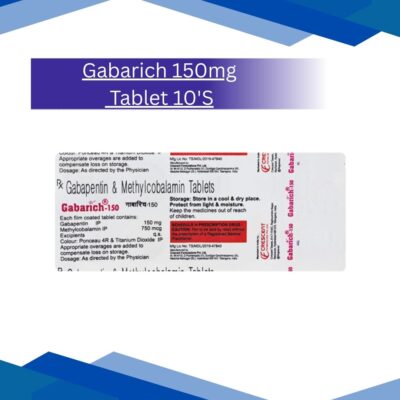
Gabarich 150mg Tablet 10’S