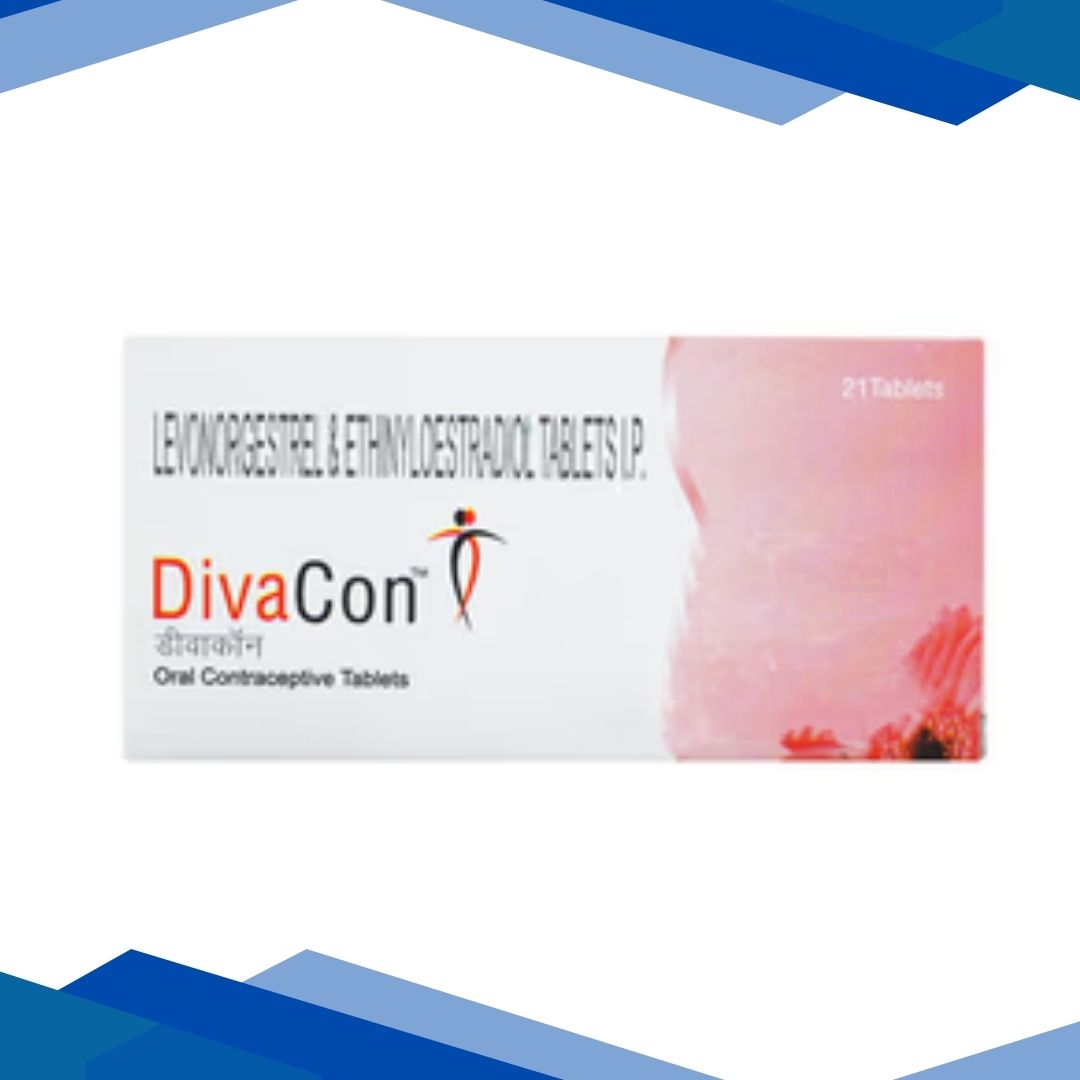
Divacon 0.03/0.15mg Tablet 21’S
No Prescription yet? Don’t worry! Click Here to Get Online Consultation
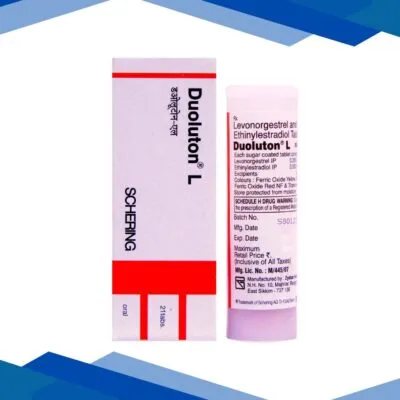
DIVACON 0.03/0.15MG TABLET is a combination of Levonorgestrel and Ethinylestradiol which belongs to the group of medicines called Hormonal Contraceptive Agents. It is used as a contraceptive pill to manage pregnancy.
Ethinylestradiol
Ethinylestradiol Tablet
Each tablet of Ethinylestradiol contains a synthetic and highly potent form of the hormone estrogen. It is most commonly used in combination with progestin hormones as part of oral contraceptive (birth control) pills. In addition to preventing pregnancy, this medication is also prescribed for menstrual irregularities, acne, and other conditions related to hormonal imbalance in women.
Key Therapeutic Uses
Inhibition of Ovulation: Helps regulate hormone levels to prevent the release of an egg from the ovary, thereby reducing the chance of fertilization.
Regulation of Menstruation: Helps stabilize the uterine lining, leading to lighter, more regular, and predictable menstrual periods.
Control of Acne: Works by reducing androgen levels, which decreases sebum (oil) production and helps improve acne.
Hormone Replacement Therapy (HRT): Sometimes used to manage symptoms of estrogen deficiency when the body does not produce enough estrogen naturally.
How to Take This Medication
Cycle: Most contraceptive packs are designed for 21-day or 28-day cycles. For maximum effectiveness, the tablet should be taken at the same time every day.
Maintain Consistency: Missing doses or delaying pills can reduce the contraceptive effectiveness of the medication.
Missed Dose: If you miss a pill, refer to the product leaflet for specific instructions. In many cases, the missed pill should be taken as soon as remembered, which may mean taking two pills in one day.
Starting the Pack: The first pill is usually taken on the first day of menstruation or on the first Sunday after menstruation begins, depending on the doctor’s recommendation.
Safety Precautions and Warnings
Smoking Warning: Women over 35 years of age who smoke should avoid using Ethinylestradiol, as it significantly increases the risk of serious cardiovascular complications, including blood clots, heart attack, and stroke.
Blood Clots: Seek immediate medical attention if you experience sudden leg pain, swelling, chest pain, or shortness of breath.
Blood Pressure: This medication may slightly increase blood pressure, therefore regular monitoring is recommended.
Drug Interactions: Certain medications such as some antibiotics, anticonvulsants, and St. John’s Wort may reduce the effectiveness of Ethinylestradiol.
Potential Side Effects
Although generally well tolerated, some women may experience:
Nausea (taking the tablet after meals may reduce stomach discomfort)
Breast tenderness or mild swelling
Headaches or migraines
Spotting or bleeding between menstrual cycles
Changes in weight or mood
Frequently Asked Questions (FAQs)
Q: How long does Ethinylestradiol take to work as contraception?
A: If started on the first day of the menstrual cycle, protection against pregnancy may be immediate. In other situations, a backup contraceptive method (such as condoms) should be used for the first 7 days.
Q: Does this medication protect against sexually transmitted infections (STIs)?
A: No. Ethinylestradiol helps prevent pregnancy and regulate hormones, but it does not protect against HIV or other sexually transmitted infections (STIs).
Q: Can I take Ethinylestradiol while breastfeeding?
A: Estrogen-containing pills may reduce both the quantity and quality of breast milk. Many doctors recommend waiting until breastfeeding is completed or using a progestin-only “mini-pill” instead. Always consult your doctor.
Q: What should I do if I vomit after taking the pill?
A: If vomiting occurs within 3–4 hours after taking the pill, the body may not have absorbed the medication properly. In this case, follow the missed-pill instructions provided in your contraceptive pack.
Q: Can I use this medication to delay my period for travel or vacation?
A: Hormonal contraceptive pills can sometimes be used to delay menstruation, but this should only be done under the supervision of a gynecologist, as improper use may lead to hormonal imbalance or breakthrough bleeding.
Levonorgestrel
Levonorgestrel 1.5 mg Tablet
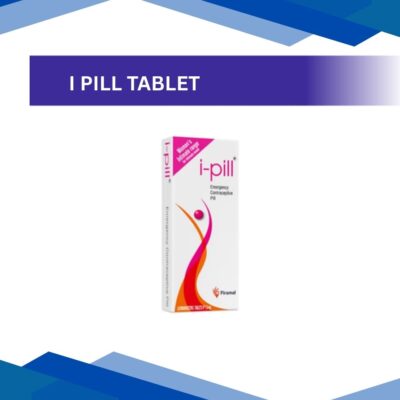
Levonorgestrel, a synthetic progestin used mainly in the treatment of Emergency Contraception (EC). It is designed to prevent pregnancy after failed contraceptive measures or unprotected intercourse (like a broken condom or missing birth control pills). When used within the recommended time scale, it works in such a manner that its ovulation stops or is substantially delayed to the end of pregnancy.
Action on Core Component
Prevents Ovulation: This hormone stops egg release from the ovary.
Hindrance to Fertilization: This may block entrance of the sperm into the egg or fertilization altogether.
Rapid in Action: Quick action after ingestion to balance regular contraception failure.
Instructions for Use
Golden Time: This medicine is used in an emergency, so it should be taken as soon as possible, usually within twenty-four hours after the event. It is also effective when taken up to 72 hours (3 days) after an event, but the effectiveness falls off slightly with time.
Administration should be Optimally: Swallow 1.5mg tablet with water. It can be taken with food or without.
Vomiting: If vomiting occurs within 2–3 hours of taking the tablet, all or some of the pill has not been absorbed. Therefore, ring up your physician or a pharmacist to seek the weighing of a second dose of the drug.
Safety Information
Note: Levonorgestrel is not an abortion pill. It will not work if you are already pregnant and will not harm an existing pregnancy. It also does not provide protection against HIV/AIDS or other STIs.
Emergency Protection: This is an emergency measure and should not replace your primary method of birth control.
Risky Ectopic Pregnancy: In case a woman perceives severe lower abdominal pain between the third and fifth weeks owing to intake of the pill, she has to see a physician immediately to rule out an ectopic pregnancy.
Probable Side Effects
Most women have some mild side effects that go away in 24 to 48 hours:
- Nausea or abdominal pain
- Fatigue
- Dizziness
- Breast tenderness
Following are effects of taking the pill: It may come earlier or later or be heavier or lighter.
Frequently Asked Questions (FAQs)
Q: How effective is Levonorgestrel?
A: If taken within 24 hours, it is about 95% effective. Between 48 and 72 hours, the efficacy rate drops to approximately 58%. The sooner you take it, the better.
Q: Can I take this pill more than once in a single cycle?
A: No recommendation is being made. It leads to extraordinary hormonal disarray and menstrual maladjustment when adopted multiple times in one cycle. Therefore, it is less useful than well-planned long-term contraception.
Q: Does it cause long-term infertility?
A: No. Levonorgestrel causes no permanent reproductive impairment later on. It exits from your body fairly quickly.
Q: Will the emergency contraceptive pill affect my next period menstruation?
A: Yes, your next period may be earlier or later, and flow may be heavier or lighter than usual. This is a temporary hormonal effect.
Q: Is it correct for a woman breastfeeding?
A: Certainly, breastfeeding mothers can employ such a medication; however, it is always advisable to consult a healthcare professional before use to ensure safety for both mother and child.
At Gem Pharmacy, we make every effort to provide accurate, expert-written, and thoroughly reviewed information related to medicines. However, this information should not be considered a substitute for professional medical advice, diagnosis, or treatment from a qualified doctor.
The purpose of this information is to educate users and improve communication between patients and healthcare professionals. It should not be used to diagnose or treat any condition.
Always consult a certified healthcare professional before taking any medication.


Related products