
Diclobenz Gel 30gm
No Prescription yet? Don’t worry! Click Here to Get Online Consultation
Cyclobenzaprine
Aceclofenac + Cyclobenzaprine: Dual Relief for Muscle-Pain
When acute muscle spasms are accompanied by inflammation, single-association treatment usually falls short. A combination of Aceclofenac and Cyclobenzaprine provides a synergistic approach. In that case, one focuses on inhibiting the chemical mediators of inflammation and pain, while the other prevents nervous agitation and induces muscle relaxation. This combination therapy is quite often prescribed for severe low back pain, torticollis (muscle spasm of the neck), and post-traumatic muscle injuries.
Working Pattern of the Combination
Aceclofenac (100mg): This powerful Non-Steroidal Anti-Inflammatory Drug (NSAID) selectively inhibits the COX-2 enzyme. By restricting the synthesis of prostaglandins, Aceclofenac can significantly decrease the pain, redness, and swelling at the site.
Cyclobenzaprine (10mg): This is a centrally acting skeletal muscle relaxant which reduces motor activity that causes sustained contraction of the muscles. This gives muscular flexibility and rest.
Key Product Features(s)
Quick pain relief: Reduction in discomfort is pretty fast - after only 30–60 minutes of taking the tablet.
Reestablishment of normal mobility: It assists in the release of knotted muscles, making physical therapy and daily movements easier.
Break up the pain-spasm-pain cycle: By acting on both the physical and chemical problems, it does not allow the condition to get worse.
Better sleep: Cyclobenzaprine slightly sedates and helps those with pain to drift back to sleep.
Quick Reference to the Page
Top Features of this Medication
Drug Class: NSAID + Muscle Relaxant
Common Use Cases: Sprains, strains, spondylitis, acute low back pain
Dosage Frequency: Twice daily is the norm (take a pill or a teaspoonful); visit a doctor if the twice dosage doesn't work.
Consumption: With food only
Safety Guidelines & Precautions
Who Should Not Use This Combination?
Cardiac Patients: Do not use if you have had heart failure previously or have had a bypass within the past 12 weeks.
Stomach Issues: Use with caution in cases of peptic ulcers and acidity.
Alcohol: Do not drink alcohol along with this drug. It considerably intensifies the adverse effects associated with the medication like excessive sleepiness and gastrointestinal bleeding.
Common Side Effects:
Sleepiness or 'foggy brain'
Dry mouth
Mild stomach ache or heartburn
Light-headedness and dizziness when standing up
FAQs to be remembered
1. Why do I have to eat before taking Aceclofenac + Cyclobenzaprine?
Just as any NSAID would, Aceclofenac can exacerbate the lining of the stomach. The meal consumed would thus serve as a buffer, eradicating the complications associated with acidity and gastric ulcers.
2. Will I feel sleepy with this?
Given that Cyclobenzaprine induces drowsiness in most cases, this would be expected. Even though the medication does not immediately wear off, you are required to avoid driving vehicles or operating heavy machinery.
3. Can I use this for chronic arthritis?
No. It is typically meant for acute (short-term) pains, and prolonged use of muscle relaxants is generally contraindicated. Your doctor will suggest some kind of maintenance therapy for the symptoms.
4. What should I do if I have a dry mouth?
Dry mouth is a known side effect of Cyclobenzaprine. You could try reducing its effects by keeping yourself well hydrated, chewing sugar-free gums, or sucking on ice cubes.
5. Is there any particular drug interactions I need to notify my doctor about?
Inform your doctor if you are on antidepressants (especially MAO inhibitors), blood thinners like Warfarin, or other pain relievers. The combination could be more hazardous due to severe drug-drug interactions.
Diclofenac
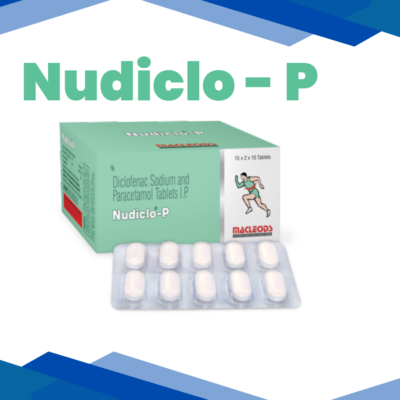
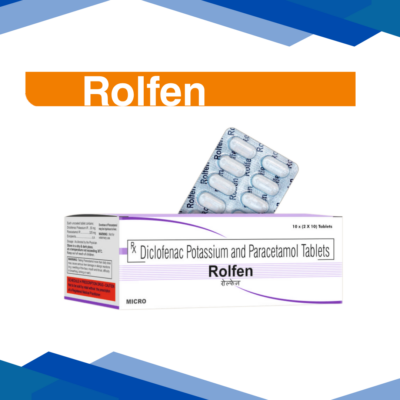
Diclofenac Sodium-Potassium Tablet
Diclofenac, a powerful non-steroidal anti-inflammatory drug (NSAID), is used for relieving acute pain and chronic pain situations. The medicine carries out this job by inhibiting prostaglandin production, which itself is a naturally-occurring chemical of the body causing pain and promoting inflammation. Any range of pain scenarios, athletic or acute or chronic, acute or chronic, are ably managed with Diclofenac, all for the purpose of promoting movement by relieving the swelling and stiffness at the heart of the morbid condition.
Principal Therapeutic Uses
Arthritic Care: There is adequate relief should the usual symptoms arise from Osteoarthritis, Rheumatoid Arthritis, or Ankylosing Spondylitis.
Acute Pain: Analgesia is for use in mild to moderate pain brought about by dental procedures, strains of muscles, postrrecovery from a surgery attack.
Migraines and headache: Specific formulations like Diclofenac Potassium work great to treat an acute attack of headache, with a migraine.
Primary Dysmenorrhea (painful period): Specific relief has been created for Menstrual Cup when it hurts too much.
How to use
Administration: Swallow the tablet whole with a full glass of water; do not crush or chew if it is a "Delayed-Release" or "Enteric-Coated".
With Food: Taking Diclofenac with meals or milk will greatly reduce the chance of a belly upset.
Dosage: Stick to the prescribed dose by your health provider. Common doses control between 25mg to 75 mg thrice daily depending on the clinical state of the condition.
Common Side Effects
Most people are able to tolerate short-term treatment with diclofen7ac; however, some usual symptoms can include:
Nausea or Diarrhea
Dizziness or Mild Headache
Heartburn or Gas
Swelling of the Ankles or Feet (edema)
Warning: Immediate stoppage of medication and immediate seek medical aid if the following occurs after taking the tablet of diclofenac: the stools start turning black/tarry; the person experiences a severe pain in the stomach or gut; skin or eyes turn yellow color (jaundice).
Precautions & Safety Information
Heart Related: There is an increased risk of heart attack or stroke with NSAIDs like Diclofenac, especially if it is taken for the long term or at high doses.
Kidney & Liver Function: It may be necessary to monitor renal and hepatic function in patients who have already had pre-existing conditions of the kidneys or liver.
Asthma: Drug morality is advised to take caution for those with the history of Aspirin-sensitive asthma as they can induce an allergic reaction.
Alcohol: Zero strip-type liquids in the mouth while on this medication; they would raise the risk of severe ulcers and hemorrhage in the stomach.
Pregnancy: You should not take this medication after the 1st trimester because it might be harmful to the baby answered in utero.
FAQs:
Q: Difference between Diclofenac Sodium and Diclofenac Potassium?
Yes, it is. The potassium formulation is absorbed more quickly by the body and thus is usually used for frequently encountered "immediate" pain like headaches or cramps. In contrast, the sodium formulation is often being looked at in cases for "delayed release" pain relief and long-term countering of inflammatory conditions like arthritis.
Q: On an empty stomach, can I take Diclofenac?
Diclofenac works faster on an empty stomach. However, it irritates the mucous membrane of the stomach wall. On the other hand, taking it with food is good for your stomach lining.
Q: Is Diclofenac something that could be habit-forming?
No. Diclofenac is not a narcotic or opioid, it carries no abuse potential, and does not cause physical or psychological dependence.
Q: Can Diclofenac gel and tablets be used together?
Using a combination of oral and topical adminstration of diclofenac will have the potential to increase the overall systemic concentration of the drug and possibly increase any chance of side effects. Ask your doctor before administering different forms of the drug simultaneously.
Q: How long does Diclofenac take to work?
Acute pain can be subsided within the first thirty-to-sixty minutes whereas for chronic conditions like arthritis, consistent use offers one a complete inhibition of inflammation beginning at week 1–2.
Flaxseed Oil
Finerenone in a introduction and Listed Uses
Finerenone is a basic medicinal agent that digs player's spot as a sterile, but major mineralocorticoid receptor antagonist (MRA), ultimately saved for the heart and kidney. Introduced in 2021 for adults under low-blood-pressure circumstances, sayings impartable, this workout was fetched up as a medication to curb Chronic Kidney Disease (CKD) associated with Type 2 Diabetes. As far as its profile in the pharmacologic debut is concerned, Finerenone falls in a very selective rental area—that is, more of the selected binder instead of nonspecific likeminded unknowns; hence, it is designed to target the shorthand for any explicit receptor biology happening in cytoplasmic compartments in the kidneys, heart, and blood vessels, thus helping to reduce inflammatory events, fibrosis, or wound healing. The biggest triumphs can forever be enumerated as the roles, indubitably, as under; as an epitome of the selection, it wouldn't be wrong to say that these agents could prevent any buildup of scar tissue for our kidneys. Indeed, the purpose of taking Finerenone might be achieved under these enumerated objectives and to combat over-activation of mineralocorticoid receptors for gradual life end-organ damage.
Quick Review
FeatureDescription
Drug ClassSNoSteroidal mineralocorticoid receptor antagonist MRA
Common Brand(s)Kerendia
How is the medicine given? By mouthTablet
ının point of Origin Aid in the treatment of type 2 diabetes-induced CKD
Much DosageUndetermined; one tablet to be taken orally daily, with or without food.
How to Take Finerenone
Follow instructions given by your health practitioner without any deviation.
Style: Any variation specifies one tablet with a full glass of water.
Adaptive Style: The tablet may alternatively be crushed and taken with a standard amount of water or food delivered in another crude form, such as applesauce. Occasionally, will condition its users to such diets that should avoid grapefruit or grapefruit juice as this may increase the drug level in the bloodstream.
Uncommon Side Effects
The common reactions are pretty benign as even the other, clinical names for the particular drug, Finerenone, with the clinical name Kerendia, are somewhat otherwise indicative of the outcome here; yet, the standards are rigid whereby some patients might sometimes underreport symptoms:
Hyperkalemia: Elevated potassium levels cause blood levels by an increasing margin (common).
Hypotension: Low-blood pressure that consequently shows symptoms of dizziness.
Hyponatremia: Low-sodium levels in the bloodstream.
Hyperuricemia: Raised uric acid levels.
Special Instructions
Regular blood draws may act according to your physician's assessment, including kidney function and possibly potassium levels.
Frequently Asked Questions (FAQ)
1. Is Finerenone a steroid or diuretic?
Does Finerenone mean exerted benefits of diuresis per se? What functions against uric acid by absorption of water and coping against inflammation and scarring?
2. How long does it take for Finerenone to start working?
Finerenone starts functioning at a cellular level with an initial dose, and it becomes much too disorderly if you consider attending to non-physical health treatment on its damage pathway. This effect is measured in clinical chemistry tests over time.
3. What should I do if I miss a dose?
Should you have any dose of Finerenone, just remember to make it within the same day. If you skip a dose entirely the next day, carry on the normal procedure with no need to take both doses.
4. Can I take Finerenone during pregnancy?
It is not generally employed during pregnancy or breastfeeding in breastfeeding mothers. If one would be getting pregnant or being already pregnant while taking the medication, kindly refer to your caregiver at any time to rule out any harms this may inflict.
5. Why must I avoid potassium-rich salt substitutes?
And now, with the important benefit of a decisive point: because you do not avoid these substances, you will elevate BUN (speculation) in terms of renal plasma and subsequently in the blood extracellular, also elevating potassium for your hyperkalemia. This is very dangerous for the heart.
Using These Safely
Alcoholic Beverages: Addresses the alcoholic beverage for an accomplishment thoughtfully. If strange enough, alcohol does not cross the direct interaction line; on rare occasions, getting the acceptation of the excess sheer dizziness upon alkali may just worsen another perspective of the same dizziness which is also engrossing to hypotensive consequences.
Driving, etc.: Take the normal caution until the way is made clear that you are not profoundly affected by Finerenone. When you chance upon the opportunity that you may feel particularly dizzy or lightheaded, kindly refrain from any more hazardous activities.
Liver/Kidney Function: Tell your prescribing pharmacist if you have severe liver disease or if your kidney function worsens.
Menthol
Menthol (Topical Analgesic)
Menthol is natural ingredient that occurs organically and is extracted from peppermint and other mint oils. It has certain pharmacological properties due to the topical analgesic and counterirritant that is widely utilized in pharmaceutical applications. When applied to the skin, it binds to the cold-sensitive receptor termed TRPM8 nicotine, and thus generates a cooling sensation. It works by producing enough cooling sensation to distract the brain from underlying pain signals, therefore providing some relief, deceiving the skin's pain receptors and authors. It is commonly used in muscle-recovery products and patches to mitigate joint pain.
Primary Indications
Muscle & Joint Relief: Temporary relief of minor aches and pains, caused by arthritis, simple backaches, strains, and sprains.
Counterirritant Action: Provides a cooling, slightly warming sensation with benefits of desensitization of pain nerve endings.
Itch & Irritation Control: Effectively don't entertain the itching from insect bites, sunburn, or minor skin rashes.
Respiratory comfort: Often used in chest rubs to emotionally relieve symptoms of feeling clear airways during common colds.
Post-Workout Recovery: Helps reduce the perception of soreness in overworked muscles and tendons.
The Product Specifications
Drugs Group: Topical Analgesic/ Counterirritant.
Formulations: Gels, sprays creams, ointments, medicated patches are available.
Concentration: Ranges generally from 1% and 16% as per the strength.
Appearance: Clear liquid or white crystalline material, characteristic of a minty aroma.
Instructions of Use
For Pain Relief: Clean and dry the affected area. Then apply a thin layer of gel or cream to the area 3-4 times daily.
Sprays: Spray on the skin evenly from 4" to 6" distance. Do not rub unless otherwise specified.
Patches: Stick one patch to the painful area and leave it for as long as 8 hours. Don't use more than one patch that has formed into a mass.
Hygiene: Wash your hands thoroughly with soap after application to avoid any accidental contact with the eyes and mucosa.
Safety Precautions & Warnings
For external use only: Do not ingest menthol-based topical products.
Avoid Over Broken Skin: Never apply to an open wound, damaged skin, or any irritated rashes.
No Heat therapy: Whether using a heating pad, hot water bottle, or tight bandage applied to the area, do not apply heat either. This will increase permeation and cause severe skin burns.
Flammability: Some menthol sprays and gels are flammable. Keep away from open flames or high heat until the product has completely dried on the skin.
Children: Consult a pediatrician before using on children under 12.
Frequently Asked Questions (FAQs)
Q: How does Menthol actually stop pain?
Menthol does not "numb" the pain as a local anesthetic does, but rather acts as a counterirritant. As the compound creates an intense cold sensation, it blocks the pain signals headed to the brain, effectively turning down the volume on discomfort.
Q: Can Menthol be used with a heating pad?
No. This is a major danger. Menthol causes the blood flow to the skin to increase, and the application of heat tends to make the medication be absorbed too quickly or cause some very bad burns and blisters.
Q: Why do I instantly feel cold but end up feeling warm?
This is essentially because of the 'counterirritant effect.' The menthol first activates the cold receptors, offering initial cooling effects. Then the local circulation is elevated when it is rubbed in, and the now-warm sensation is relaxing tight muscles.
Q: Can Menthol be used with an oral pain medication?
Yes, in practice, no! Since menthol is only used topically, so very little of it penetrates your bloodstream. However, let your doc know if you're on blood thinners, say, on Warfarin, because some of the topical formulations can have methyl salicylate, which can interact with them.
Q: Will the Menthol smell "stick"?
The very minty smell is the strongest during application and then dissipates as the product dries down. I would suggest many "vanishing scent gels" for a more subtle application, if the user prefers it that way.
Methyl Salicylate
At Gem Pharmacy, we make every effort to provide accurate, expert-written, and thoroughly reviewed information related to medicines. However, this information should not be considered a substitute for professional medical advice, diagnosis, or treatment from a qualified doctor.
The purpose of this information is to educate users and improve communication between patients and healthcare professionals. It should not be used to diagnose or treat any condition.
Always consult a certified healthcare professional before taking any medication.


Related products