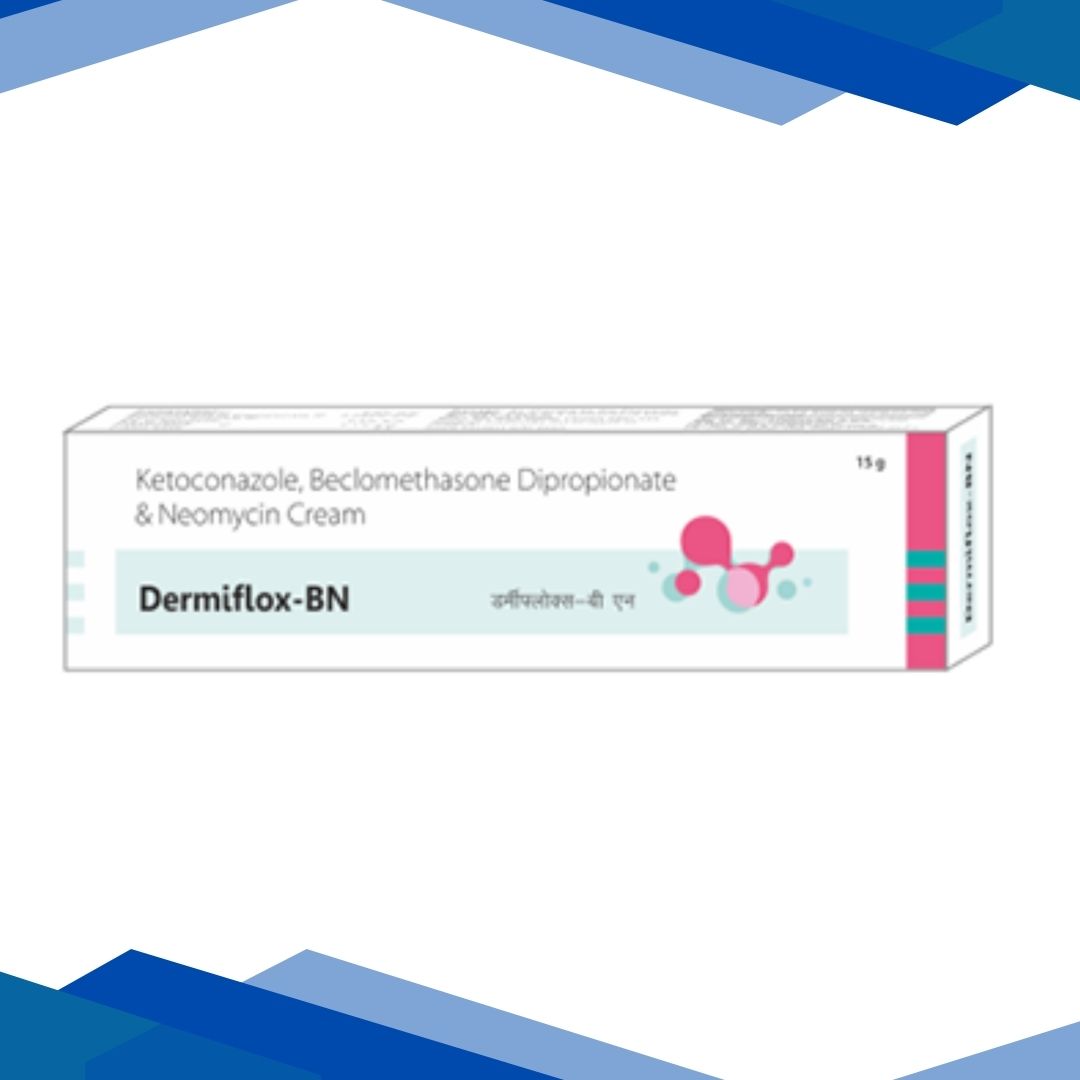
DERMIFLOX BN Cream 15g
Dermiflox BN Cream is a combination medicine that is used to treat various types of skin infections. It minimizes symptoms of inflammation such as redness, swelling, and itching. It also has antimicrobial action against infection-causing microorganisms.
Beclometasone Dipropionate
Beclometasone Dipropionate: For the Targeted Relief of Airway and Skin Inflammation
The glory of the synthetic corticosteroid Beclometasone Dipropionate lies in its ability to control and prevent inflammatory conditions in the airway and the skin. While widely known as a “preventing” drug in asthma, it acts by decreasing swelling and sensitivity of the airways, helping patients breathe easier over time.
Therapeutic Uses
Asthma Maintenance: It serves as a daily prophylactic therapy to prevent symptoms like wheezing and tightness of the chest.
Allergic Rhinitis: For nasal use, it is effective for treating nasal symptoms like hay fever, sneezing, and long-term nasal congestion.
Skin Disorders: When used topically (cream and lotion), it treats inflammatory skin conditions such as eczema, psoriasis, and severe dermatitis.
Ulcerative Colitis: In specific oral formulations, it helps decrease gastrointestinal (GI) tract inflammation.
Mechanism of Action
Beclometasone Dipropionate works as a prodrug that requires conversion to its active form, beclometasone-17-monophosphate, at the target tissue. This active compound inhibits a series of inflammatory mediators, reducing the release of chemical agents such as prostaglandins and leukotrienes. As a result, capillary edema and inflammation decrease, restoring airway stability and preventing the hyper-reactive state that leads to bronchial asthma attacks.
Summary of the Need
Not for Emergencies: This medicine is not indicated for acute asthma attacks. Fast-acting inhalers such as Salbutamol should be used in such situations.
After Using: If administering an inhaler, rinse the mouth with water, spit it out, and rinse again to remove the drug and prevent oral thrush, a fungal infection.
Tapering: Do not stop this medication abruptly when used long-term. A doctor should guide gradual dose reduction (tapering).
Questions & Answers (Q&A)
1. Is Beclometasone Dipropionate a Cure for Asthma?
Asthma is a chronic disease, and Beclometasone is not a cure. However, when used regularly as prescribed, it helps control symptoms effectively and prevents irreversible airway remodeling caused by untreated inflammation.
2. When can I expect the inhaler to start working?
Some improvement may appear within 24–48 hours, but full therapeutic benefits usually occur after 1–2 weeks of consistent daily use. Even if symptoms improve, the inhaler should not be stopped suddenly without medical advice.
3. Will Beclometasone inhaler cause weight gain or “moon face”?
Such steroid-related side effects are mostly associated with oral steroid tablets. With inhaled or nasal forms, very little medication enters the bloodstream, making these effects extremely rare.
4. What should I do if I miss a dose?
Take the missed dose as soon as you remember. If it is close to the next scheduled dose, skip the missed one. Do not double the dose, as this may increase side effects such as hoarseness.
5. What foods should be avoided while on this medication?
There are generally no strict dietary restrictions. However, if taking tablet forms, it is recommended to take them with food to avoid stomach upset. Maintaining a balanced diet rich in calcium and Vitamin D is beneficial, as long-term steroid use at high doses may affect bone density.
6. Is it safe for children?
Yes, Beclometasone is commonly prescribed for children above 5 years of age with proper medical supervision. In younger children, doctors may monitor growth and development regularly to ensure the lowest effective therapeutic dose is used.
Ketoconazole
Ketoconazole – An Antifungal Medication
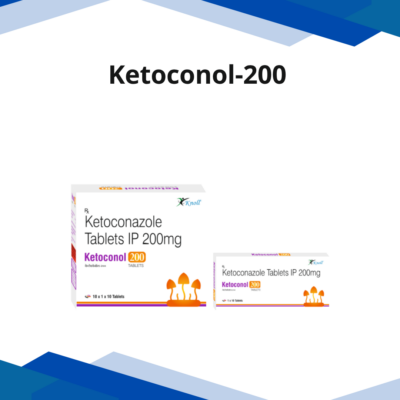
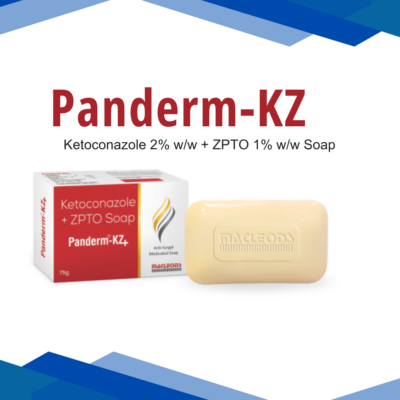
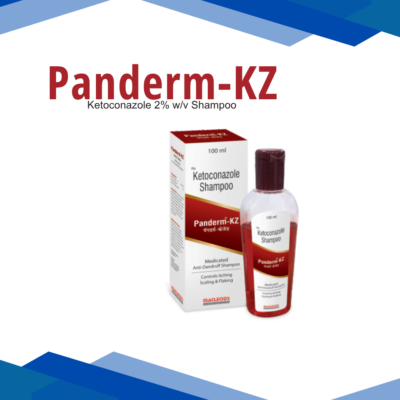
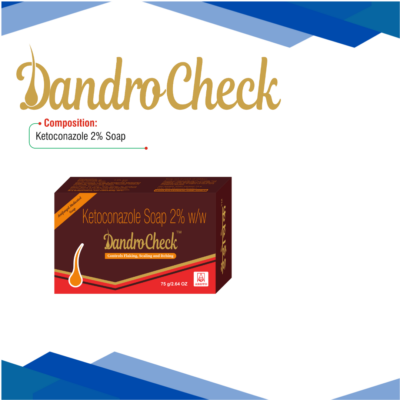
Ketoconazole is a synthetic, broad-spectrum antifungal medication used to treat a wide variety of fungal and yeast infections. It works by inhibiting ergosterol synthesis in the fungal cell membrane, thereby destroying the fungus at its source and preventing its growth.
Ketoconazole is available in multiple forms, including topical creams, medicated shampoos (commonly for dandruff and seborrheic dermatitis), and oral tablets for systemic infections.
Therapeutic Uses
Scalp Conditions: Effective in treating persistent dandruff and seborrheic dermatitis that are difficult to manage.
Skin Infections: Used for Athlete’s Foot (tinea pedis), Jock Itch (tinea cruris), and Ringworm (tinea corporis).
Pityriasis (Tinea Versicolor): Helps clear fungal patches causing skin discoloration.
Systemic Infections: Oral form is useful for deep or resistant fungal infections that do not respond to standard treatments.
How to Use
Topical Cream: Apply a thin layer to the clean, dry affected area once or twice daily. Wash hands thoroughly after application.
Shampoo: Apply to wet scalp/hair, lather, and leave for 3–5 minutes before rinsing. Typically used twice weekly for 2–4 weeks.
Oral Tablets: Take exactly as prescribed, preferably with food to enhance absorption.
Safety & Precautions
Caution: Avoid applying on broken or irritated skin. Keep away from eyes, nose, and mouth.
Liver Function: Monitoring of liver enzymes may be required with oral ketoconazole, due to rare risk of liver toxicity.
Alcohol: Avoid alcohol consumption during oral therapy to prevent adverse reactions.
Pregnancy & Breastfeeding: Consult a doctor or dermatologist before use.
Side Effects & Interactions
Generally well-tolerated, but some users may experience:
Local Effects: Mild redness, itching, or stinging.
Systemic Effects: Nausea, headache, abdominal discomfort (more common with oral form).
Drug Interactions: May interact with antacids and blood thinners. Always inform your pharmacist or doctor about current medications.
Frequently Asked Questions (FAQs)
Q: Can I apply ketoconazole cream to the scalp?
A: While primarily used for skin infections, it may help with scalp inflammation (e.g., related to androgenic alopecia) under medical supervision.
Q: How soon does it start working?
A: Initial improvement such as reduced itching and flaking is usually noticed after 2–3 applications.
Q: Can ketoconazole be used on the face?
A: Yes, for conditions like facial seborrheic dermatitis, but use only as directed and avoid the eye area.
Q: Can I stop using it once the rash disappears?
A: No. Continue for a few days after symptoms resolve to ensure complete eradication of the fungus and prevent recurrence.
Q: Can I use a moisturizer with ketoconazole cream?
A: Yes. Apply a moisturizer 20–30 minutes after using ketoconazole to maintain its effectiveness.
Neomycin
Neomycin Topical Sulfate (USP/IP)
Neomycin is a potent aminoglycoside antibiotic used to treat and prevent bacterial skin infections. It works by inhibiting bacterial protein synthesis, thereby stopping the growth and multiplication of bacteria. It is effective mainly against gram-negative and some gram-positive organisms, and is commonly included in “triple antibiotic” ointments for minor skin care.
Therapeutic Uses
Infected Minor Wounds: Prevents infection in cuts and abrasions
Minor Burns: Protects damaged skin from secondary bacterial infection
Secondary Skin Infections: Used in eczema or impetigo when infected
Pre-Surgical Prep: Helps in surface sterilization before minor procedures
Salient Features
Localized Action: Works directly at the site of infection
Rapid Effect: Begins acting on surface bacteria quickly
Multiple Forms: Available as creams, ointments, and powders
Usage
Preparation: Wash hands and clean area with soap and water
Application: Apply a thin layer to affected area
Frequency: Use 1–3 times daily as advised
Protection: Cover with a sterile bandage if required
Unwanted Side Effects and Safety
Mild redness or irritation
Itching or stinging sensation
Allergic Contact Dermatitis: rash or hives may occur
Warning: Avoid use on large open wounds due to risk of systemic absorption and rare ototoxicity or nephrotoxicity
Precautions and Warnings
Duration: Do not use beyond 7 days without medical advice
Sensitive Areas: Avoid use in eyes or ear canal
Pregnancy: Use under medical supervision
Pediatric Use: Generally safe for children above 2 years with guidance
Frequently Asked Questions
Q: Can it treat acne?
Not ideal; better options include benzoyl peroxide or clindamycin
Q: What if swallowed accidentally?
Usually causes mild stomach irritation; seek help if large amount ingested
Q: Why is my skin red and itchy?
Possible allergic reaction; discontinue use and consult a doctor
Q: Can it treat fungal infections?
No, it works only against bacterial infections
Q: Can it be used under a dressing?
Yes, but consult a doctor if the wound is severe or highly inflamed
At Gem Pharmacy, we make every effort to provide accurate, expert-written, and thoroughly reviewed information related to medicines. However, this information should not be considered a substitute for professional medical advice, diagnosis, or treatment from a qualified doctor.
The purpose of this information is to educate users and improve communication between patients and healthcare professionals. It should not be used to diagnose or treat any condition.
Always consult a certified healthcare professional before taking any medication.


Related products