
CERUKLIN NEW Ear Drops 10ml
No Prescription yet? Don’t worry! Click Here to Get Online Consultation
Benzocaine is a topical local anesthetic commonly used to relieve pain and irritation on the skin or mucous membranes. It works by temporarily blocking nerve signals in the area where it is applied, helping to reduce discomfort from minor skin irritations, sore throat, mouth ulcers, toothache, insect bites, and sunburn. Benzocaine is widely available in forms such as gels, creams, lozenges, sprays, and ointments for quick and localized pain relief.
Benzocaine
Benzocaine: Quick Relief for Minor Pain & Irritations
Benzocaine is a well-established local anesthetic used to provide temporary relief from pain and itching. Whether it’s a stubborn sore throat, a nagging toothache, or minor skin irritation, Benzocaine works by numbing the affected area quickly, allowing you to get back to your day without the constant distraction of discomfort.
How Benzocaine Works
Benzocaine belongs to the class of local anesthetics known as esters. It functions by creating a temporary barrier on your nerve endings. When applied, it stops sodium ions from entering the nerve ending, which effectively prevents pain signals from being sent to your brain.
Key Uses & Benefits
Benzocaine is versatile and available in various forms, including gels, sprays, lozenges, and creams. It is commonly used for:
-
Oral Pain: Relief from mouth ulcers, canker sores, and gum pain.
-
Sore Throats: Found in medicated lozenges to soothe irritation.
-
Skin Irritation: Temporary relief from minor burns, insect bites, and scrapes.
-
Ear Care: Used in specific drops to manage pain from ear pressure or wax buildup.
Usage Guidelines
To get the most out of your treatment and ensure safety, follow these general steps:
-
Clean the Area: Ensure the affected area is clean and dry before application.
-
Apply Sparingly: Use only the amount recommended on the product packaging or by your healthcare provider.
-
Frequency: Do not use more than 3–4 times a day unless directed otherwise.
-
Avoid Eyes: Keep all Benzocaine products away from your eyes and inner nose.
Safety Information & Precautions
While Benzocaine is generally safe for over-the-counter use, it is important to keep the following in mind:
-
Methemoglobinemia: This is a rare but serious condition where the amount of oxygen carried through the blood is greatly reduced. Seek medical help immediately if you notice pale, gray, or blue-colored skin/lips.
-
Age Restrictions: Benzocaine products should not be used for teething in infants or children under 2 years of age.
-
Allergies: If you have a known allergy to ester-type anesthetics (like procaine or tetracaine), consult your doctor before use.
Frequently Asked Questions (FAQs)
1. How long does it take for Benzocaine to start working?
Typically, you will feel a numbing sensation within 30 to 60 seconds of application. The peak effect usually lasts between 15 to 20 minutes.
2. Can I use Benzocaine for a toothache?
Yes, Benzocaine gels are frequently used for temporary toothache relief. However, it is a “band-aid” solution. You should visit a dentist to address the underlying cause of the pain.
3. Is Benzocaine safe during pregnancy?
If you are pregnant or breastfeeding, it is best to consult your OB-GYN before using Benzocaine. While topical absorption is generally low, professional medical advice ensures the safety of both mother and child.
4. What should I do if I accidentally swallow Benzocaine spray or gel?
While small amounts used for sore throats are generally safe to swallow, ingesting large quantities can be harmful. If you feel nauseous or dizzy after accidental ingestion, contact a poison control center immediately.
5. Can I use Benzocaine on open wounds?
You should avoid applying Benzocaine to deep puncture wounds, severe burns, or large areas of blistered skin unless a doctor specifically instructs you to do so.
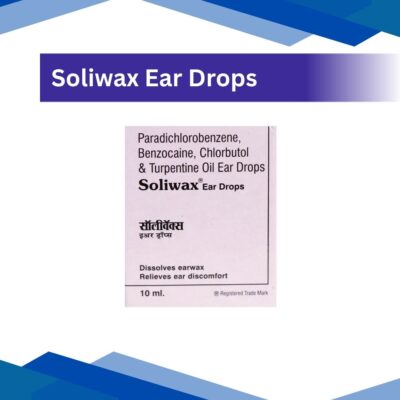
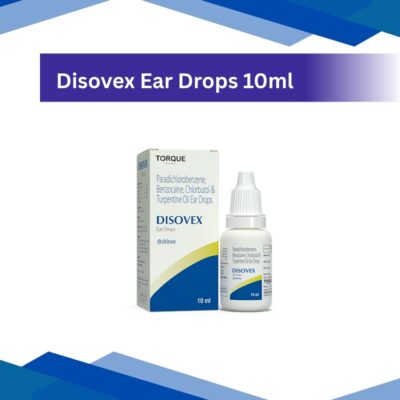
Chlorbutol Paradichlorobenzene Turpentine Oil
Chlorbutol, Paradichlorobenzene and Turpentine Oil: Advanced Ear Wax Dissolving Solution
These specifically developed ear drops are a proven treatment for the purpose of a fast dissolution and evacuation of cerumen struktured in the ear canal. Combining a wax softener, a topical anesthetic, and an organic solvent with all the chemical magic cannot refrain from being discomforting in the process of bounding away a clogged ear.
The Mechanism of Three Components
These functions in the formular provide a comprehensive scope of action for ear cleanliness:
Paradichlorobenzene: The acting cerumenolytic agent is defined as the most powerful in the set. It goes on into the ear wax, which, generally in large amounts, forms some highly hard layers, almost rock-hard. In the process, this breakthrough will soon evolve into an easygoing wiping-out scenario.
Chlorbutol (chlorobutanol) is a mild local anesthetic and antiseptic. It helps soothe the ear canal during the cleaning process, reducing any potential irritation or itching caused by the wax blockage.
Turpentine Oil: It acts as a natural solvent which helps lubricate the ear canal and dissolves the fatty components of the wax thus making the entire mass easier to discharge or disintegrate on its own.
Key Benefits of Using Earol®
Quick Softening of Wax: Works effectively and efficiently on even the most stubborn, hardened, old debris of wax.
Eases Ear Fullness: Quickly relieves ear blockage, pressure, and muffled hearing.
Non-Invasive: The necessity for a very stringent and physically laborious ear syringing is minimal as ear natural drainage is facilitated.
Soothes the Canal: The antiseptic qualities of the oil maintain a healthy environment in the ear canal, helping to police Otitis Externa.
Dosage and Using Earol's Syringe
Warm the Bottle: Hold the bottle in your hands for a few minutes to bring it to body temperature.
Positioning: Tilt your head or lie down with the affected ear facing the ceiling.
Application: Gently pull the earlobe outward and upward to straighten the ear canal. Instill 2–3 drops in the ear.
Treated on the Edge of One Side Five to Ten Minutes Can Help Confirm That the Solution Has Been Pushed Down To the Floor of the Ear canal
Frequency of Application: Following directions, a patient is required to apply 1–2 times in a day for up to three days after which it is advised that your physician follow the regimen more strictly.
Frequently Asked Questions
1. Can you feel some loss in hearing temporarily after using the solution?
It is something even an experienced ear doctor experiences at times, mainly when about to remove a piece of wax. Inertia is a usual defense. The drops tend to come into the ear and thus induce the infestation to start. The drops are nature's agents; they draw within the ear and actually induce a swelling of infected wax. After dissolution and drainage of wax, you feel pounding and muffled for a while.
2. Can Oto-Drops be used for ear infections?
If pus is discharging from the ear, there is an accompanying fever, or the pain is severe, then wax-dissolving drops should be avoided. A correct diagnosis should be made by an ENT specialist before treatment.
3. What to do if the wax inside the ear does not come out on its own?
After allocation, the wax could get soft and an experienced doctor could gently flush them out. One is not allowed to extract ear wax using bobby pins, match sticks, cotton swabs as it could push the wax further in or damage the eardrum.
4. Any Special Problems for the Otic Solution with a Perforated Eardrum?
Very Important: DO NOT use this product if you have a known or suspected perforation (hole) in your eardrum. Drops entering the middle ear through a perforation could result in irritation or infection.
5. How should I store this medication?
The product has to be stored at a cool, dry place and away from direct sunlight. Keep the container well capped after each use to prevent the fast evaporation of turpentine oil or possible contamination of the solution.
At Gem Pharmacy, we make every effort to provide accurate, expert-written, and thoroughly reviewed information related to medicines. However, this information should not be considered a substitute for professional medical advice, diagnosis, or treatment from a qualified doctor.
The purpose of this information is to educate users and improve communication between patients and healthcare professionals. It should not be used to diagnose or treat any condition.
Always consult a certified healthcare professional before taking any medication.


Related products