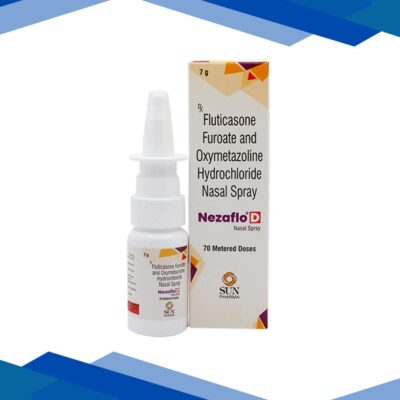

Azeflo Nasal Spray 70Md
No Prescription yet? Don’t worry! Click Here to Get Online Consultation
Azeflo Nasal Spray is a second-generation antihistamine used to relieve symptoms of allergic conditions such as allergic rhinitis and allergic conjunctivitis. It works by blocking histamine (a chemical released during allergic reactions), thereby reducing symptoms like sneezing, runny or blocked nose, itching, and watery or irritated eyes. Available commonly as a nasal spray and eye drops, Azeflo Nasal Spray provides fast, targeted relief with minimal systemic absorption. It is generally well tolerated, though some individuals may experience mild side effects such as a bitter taste, nasal irritation, or slight drowsiness. It should be used as directed by a healthcare professional for safe and effective management of allergy symptoms.
Description
Azeflo Nasal Spray is a second-generation antihistamine commonly used to manage allergic conditions affecting the nose and eyes. it is primarily available in the form of nasal sprays and ophthalmic (eye) drops, making it particularly effective for localized relief of symptoms such as sneezing, nasal congestion, runny nose, itching, and watery eyes. unlike first-generation antihistamines, Azeflo Nasal Spray is designed to minimize sedation while still providing potent anti-allergic effects. it is widely prescribed for individuals suffering from seasonal allergic rhinitis (hay fever), perennial allergic rhinitis, and allergic conjunctivitis.
the therapeutic action of Azeflo Nasal Spray revolves around its ability to block histamine receptors, specifically the h1 receptors, which play a central role in allergic reactions. when the body encounters allergens such as pollen, dust mites, or pet dander, it releases histamine as part of the immune response. histamine binds to receptors in various tissues, leading to symptoms like inflammation, itching, and mucus production. Azeflo Nasal Spray works by preventing histamine from binding to these receptors, thereby reducing or preventing these symptoms.
in addition to its antihistamine effects, Azeflo Nasal Spray also exhibits anti-inflammatory properties. it can inhibit the release of other inflammatory mediators such as leukotrienes and cytokines, further enhancing its effectiveness in controlling allergic symptoms. this dual mechanism makes it particularly beneficial for individuals who do not achieve sufficient relief from traditional antihistamines alone. because it acts locally when administered as a nasal spray or eye drop, it provides targeted relief with minimal systemic absorption.
Azeflo Nasal Spray is suitable for both adults and children (age restrictions may vary depending on formulation), and it is often recommended for individuals experiencing moderate to severe allergic symptoms. it can be used as a standalone therapy or in combination with other medications such as corticosteroids for enhanced symptom control. however, like all medications, it should be used under the guidance of a healthcare professional to ensure safe and effective treatment.
ingredients
- Azeflo Nasal Spray hydrochloride: this is the primary active ingredient responsible for the medication’s antihistamine effect. it selectively blocks h1 receptors, preventing histamine from triggering allergic symptoms such as itching, swelling, and mucus secretion. it also stabilizes mast cells, reducing the release of inflammatory mediators.
- benzalkonium chloride: a preservative commonly used in nasal sprays and eye drops to prevent microbial contamination. it helps maintain product sterility but may occasionally cause mild irritation in sensitive individuals.
- edetate disodium (edta): acts as a stabilizing agent that enhances the effectiveness of preservatives and maintains the chemical stability of the formulation.
- sodium chloride: used to adjust the tonicity of the solution, ensuring it is comfortable and compatible with nasal or ocular tissues.
- purified water: serves as the base solvent for the formulation, ensuring proper delivery of the active ingredient.
- other buffering agents: these help maintain the ph of the solution, ensuring optimal stability and minimizing irritation upon application.
key uses
- allergic rhinitis: provides relief from symptoms such as sneezing, nasal congestion, itching, and runny nose caused by seasonal or perennial allergies.
- allergic conjunctivitis: helps reduce redness, itching, and watering of the eyes due to allergens like pollen, dust, or pet dander.
- post-nasal drip: may help alleviate discomfort associated with mucus drainage in the throat due to allergies.
- chronic nasal inflammation: useful in managing long-term inflammation of the nasal passages when caused by allergic triggers.
- adjunct therapy: often used alongside other treatments like intranasal corticosteroids for enhanced symptom control in moderate to severe cases.
how to use
Azeflo Nasal Spray should be used exactly as directed by a healthcare professional or as indicated on the product label. for nasal spray formulations, it is typically administered into each nostril while keeping the head slightly tilted forward. before first use, the spray may need to be primed to ensure proper dosing. users should gently blow their nose before application to clear the nasal passages, allowing better absorption of the medication. it is important to avoid sniffing too hard immediately after spraying, as this can cause the medication to drain into the throat instead of remaining in the nasal cavity.
for ophthalmic (eye drop) use, hands should be washed thoroughly before application. the drop is placed into the lower eyelid pocket without touching the tip of the dropper to any surface, including the eye, to prevent contamination. contact lenses should generally be removed before applying the drops and can be reinserted after a specified interval, as advised by a healthcare provider.
the medication is usually used once or twice daily depending on the severity of symptoms and the specific formulation. consistent use is important for achieving optimal results, especially during allergy seasons. patients should not exceed the recommended frequency or duration of use without consulting a healthcare professional.
safety information
- warnings: Azeflo Nasal Spray may cause mild drowsiness in some individuals, although it is less sedating than older antihistamines. patients should exercise caution when driving or operating heavy machinery until they understand how the medication affects them. avoid direct contact of the spray or dropper tip with surfaces to prevent contamination.
- side effects: common side effects include a bitter taste (especially with nasal spray), nasal irritation, headache, sneezing, and mild drowsiness. eye drops may cause temporary burning or stinging upon application. rare but serious side effects include severe allergic reactions, difficulty breathing, or swelling of the face and throat, which require immediate medical attention.
- precautions: individuals with known hypersensitivity to Azeflo Nasal Spray or any of its components should avoid its use. patients with a history of nasal surgery or injury should consult a healthcare provider before using the nasal spray. those with chronic eye conditions should seek medical advice before using ophthalmic formulations.
- pregnancy/breastfeeding: the safety of Azeflo Nasal Spray during pregnancy and breastfeeding has not been fully established. it should only be used if clearly needed and prescribed by a healthcare professional after evaluating potential risks and benefits.
- interactions: although systemic absorption is minimal, caution is advised when using Azeflo Nasal Spray with other central nervous system depressants such as alcohol, sedatives, or tranquilizers, as it may enhance drowsiness. patients should inform their healthcare provider about all medications and supplements they are taking.
additional information
- storage: store Azeflo Nasal Spray at room temperature, away from direct sunlight, heat, and moisture. keep the bottle tightly closed when not in use and out of reach of children.
- missed dose: if a dose is missed, it should be taken as soon as remembered. however, if it is close to the next scheduled dose, the missed dose should be skipped. do not double the dose to make up for a missed one.
- overdose: overuse of Azeflo Nasal Spray, particularly nasal spray, may increase the risk of side effects such as excessive drowsiness or irritation. in case of accidental ingestion or overdose, seek immediate medical attention or contact a poison control center.
- habit forming: Azeflo Nasal Spray is not habit-forming and does not cause dependence. it can be used safely for extended periods under medical supervision.
frequently asked questions
Q: what is Azeflo Nasal Spray primarily used for?
A: Azeflo Nasal Spray is mainly used to treat symptoms of allergic rhinitis and allergic conjunctivitis, including sneezing, nasal congestion, itching, and watery eyes.
Q: how quickly does Azeflo Nasal Spray start working?
A: Azeflo Nasal Spray typically begins to relieve symptoms within minutes to a few hours after administration, especially when used as a nasal spray or eye drop.
Q: can Azeflo Nasal Spray cause drowsiness?
A: yes, although less common than older antihistamines, Azeflo Nasal Spray may cause mild drowsiness in some individuals.
Q: is Azeflo Nasal Spray safe for long-term use?
A: Azeflo Nasal Spray can be used long-term under the supervision of a healthcare provider, particularly for chronic allergic conditions.
Q: can i use Azeflo Nasal Spray with other allergy medications?
A: yes, it is often used in combination with other medications such as corticosteroids, but you should consult a healthcare professional before combining treatments.
Q: does Azeflo Nasal Spray require a prescription?
A: this depends on the formulation and region; some forms may be available over-the-counter, while others require a prescription.
Q: can children use Azeflo Nasal Spray?
A: yes, certain formulations are approved for use in children, but age restrictions vary, so consult a healthcare provider.
Q: what should i do if i experience a bitter taste after using the nasal spray?
A: a bitter taste is a common side effect. avoid tilting your head back too far during use to minimize this effect.
Q: can i wear contact lenses while using Azeflo Nasal Spray eye drops?
A: it is recommended to remove contact lenses before applying the drops and wait before reinserting them, as advised by your healthcare provider.
Q: what should i do if i accidentally use too much Azeflo Nasal Spray?
A: if you use more than the recommended amount, monitor for side effects and seek medical advice if symptoms worsen.
this information is for educational purposes only and should not be considered medical advice. always consult a qualified healthcare professional before use.
At Gem Pharmacy, we make every effort to provide accurate, expert-written, and thoroughly reviewed information related to medicines. However, this information should not be considered a substitute for professional medical advice, diagnosis, or treatment from a qualified doctor.
The purpose of this information is to educate users and improve communication between patients and healthcare professionals. It should not be used to diagnose or treat any condition.
Always consult a certified healthcare professional before taking any medication.


Related products
ALLEGRA Nasal Spray 120mdi
Furamist Nasal Spray 120Md 1’s
FLOMIST OX 70md Nasal Spray 7g