
Showing 1–20 of 22 resultsSorted by popularity
Filter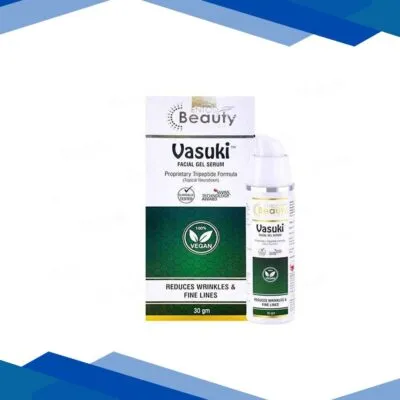
VASUKI FACIAL GEL Serum 30g
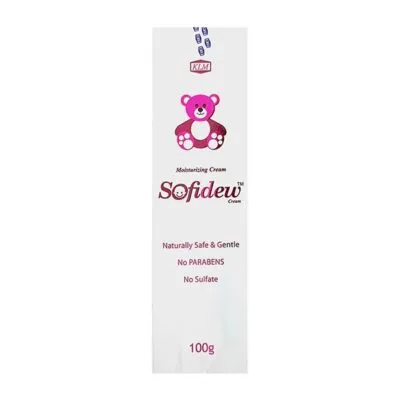
Sofidew Moisturizing Cream 100gm
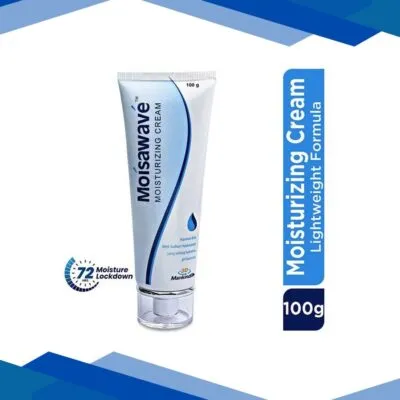
MOISAWAVE MOISTURIZING Cream 100gm
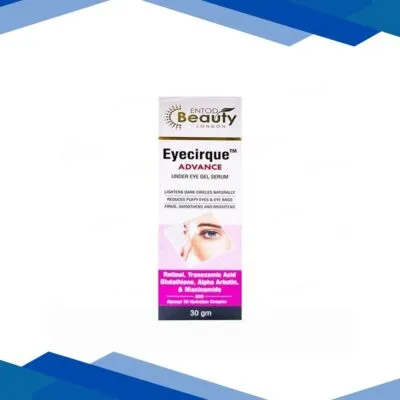
EYECIRQUE ADVANCE UNDER EYE GEL Serum 30g
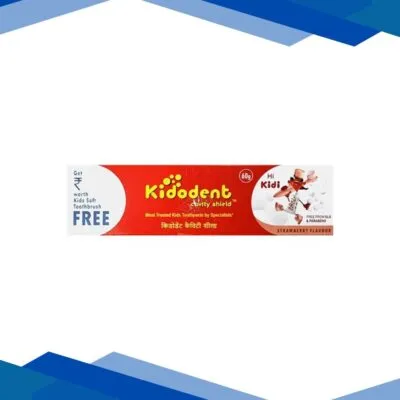
KIDODENT CAVITY SHIELD STRAWBERRY FLAVOUR (RS.75 WORTH FREE KIDS SOFT TOOTH BRUSH) Tooth Paste 60g
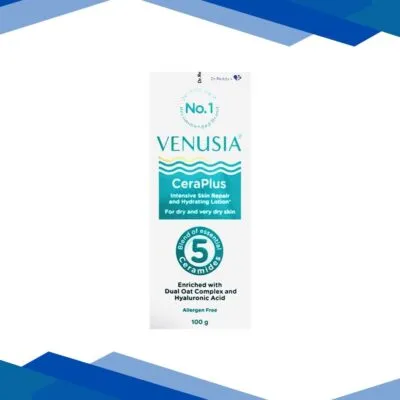
VENUSIA CERAPLUS Lotion 100g

PEDIFLOR KIDZ BUBBLE GUM Tooth Paste 70gm
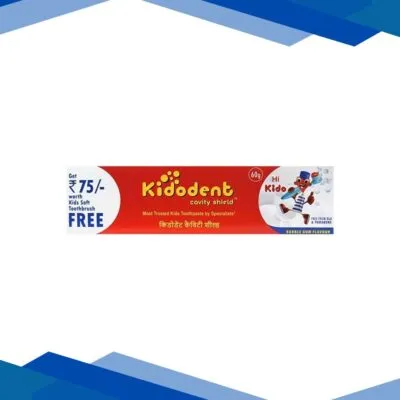
KIDODENT CAVITY SHIELD BUBBLE GUM FLAVOUR (RS.75 WORTH FREE KIDS SOFT TOOTH BRUSH) Tooth Paste 60g
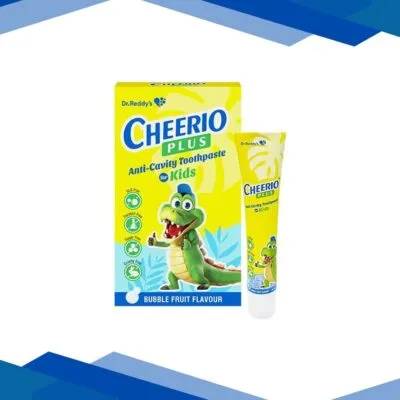
CHEERIO PLUS BUBBLE FRUIT FLAVOUR KIDS ANTI CAVITY Tooth Paste 75g
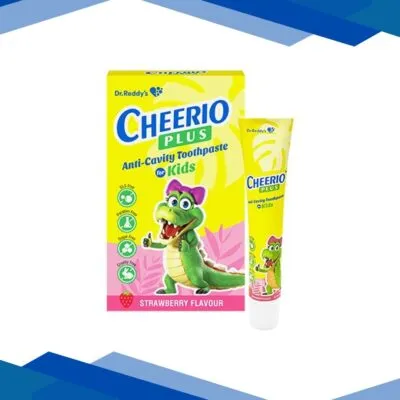
CHEERIO PLUS STRAWBERRY FLAVOUR KIDS ANTI CAVITY Tooth Paste 75g
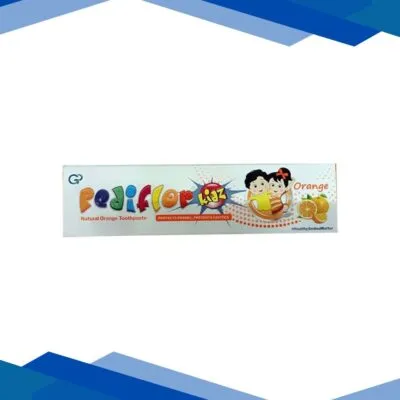
PEDIFLOR KIDZ NATURAL ORANGE Tooth Paste 70gm
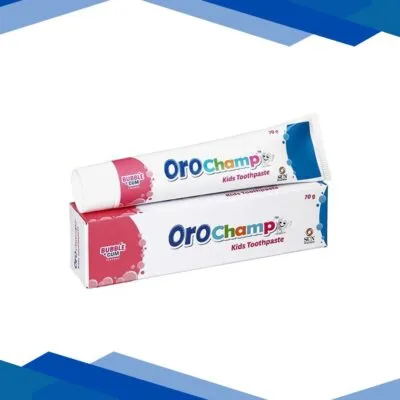
OROCHAMP BUBBLEGUM FLAVOUR KIDS Tooth Paste 70g
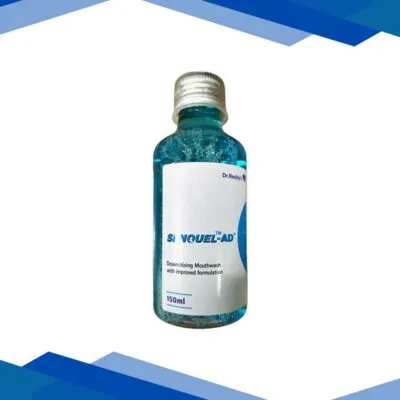
SENQUEL AD+ Mouth Wash 150ml
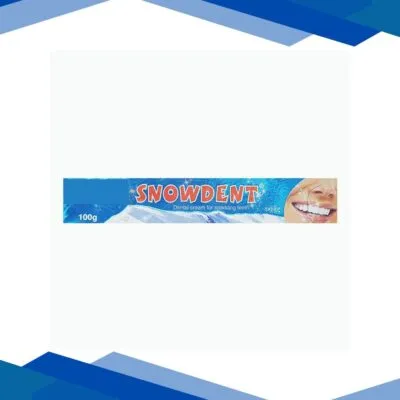
SNOWDENT Dental Cream 100gm
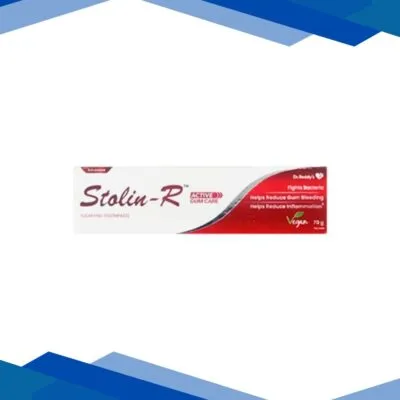
STOLIN R ACTIVE SUGAR FREE Tooth Paste 70g
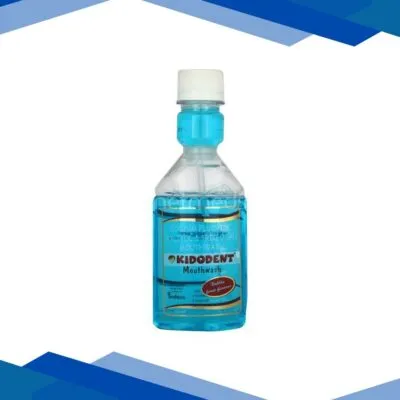
Kidodent Bubble Fruit Flavour Mouth Wash 150ml
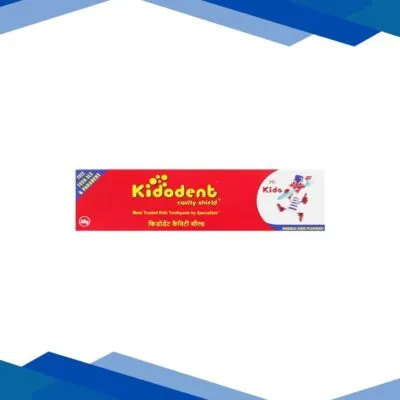
KIDODENT CAVITY SHIELD BUBBLE GUM FLAVOUR Tooth Paste 60g
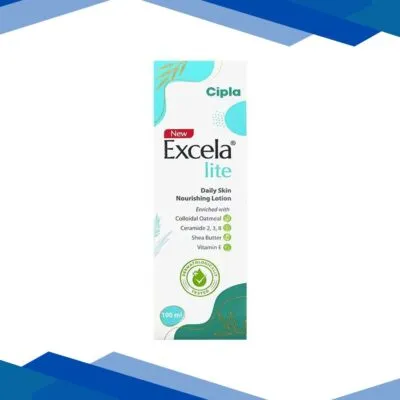
EXCELA LITE NEW Lotion 100ml
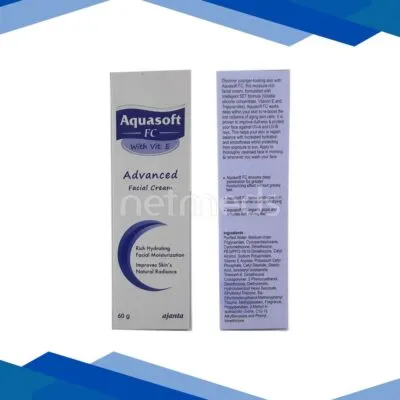
Aquasoft FC Advanced Facial Moisturizer Cream 60gm
Xylitol : a natural polyol for oral health and metabolic support
Xylitol is a premium, low-calorie polyol (sugar alcohol) that has earned broad attention across today’s pharmacy, dentistry and nutritional research. It’s naturally sourced from fibrous plant materials, especially birch trees. The structure gives it a flavor that many people describe as identical to sucrose (table sugar) but its biochemical behavior is meaningfully different. Because of this, it’s often used as a protective ingredient in oral rinses, nasal sprays, and in diabetic-friendly nutrition formulas, where steady sweetness matters but sharp metabolic effects are undesired.
How it works
Xylitol acts through specific structural methods that can support dental well-being and metabolic balance:
Non fermentable molecular pattern: unlike common five or six carbon sugars, Xylitol has a distinct five-carbon framework. Harmful oral bacteria, especially Streptococcus mutans, may take it in, but they cannot actually ferment or convert it into acids that damage enamel.
The starvation loop: since the bacteria cannot break down Xylitol, it just builds up inside their cells, and it blocks how they take in normal sugars. that messes with their energy routine, so they end up not multiplying or not producing sticky plaque matrixes anymore
Minimal insulin effect: when Xylitol is used as a sweetener, it gets absorbed slowly and not in full amounts through the intestinal wall. it wont cause sudden jumps in blood glucose, so the body needs very little insulin or sometimes none at all, for the liver to handle it
Key advantages
Better plaque and cavity defense: it helps reduce dental biofilm formation, so plaque buildup stays lower and the chance of tooth decay drops along with enamel demineralization
Supports enamel re-mineralizing: it encourages salivary flow and nudges oral pH upward, creating a good setting for calcium plus phosphate ions to repair early tiny cavities
Glycemic Index Support: With a remarkably low glycemic index, it can work as a strong sugar alternative for those dealing with Type 2 Diabetes, obesity, or metabolic syndrome.
Upper Respiratory Comfort: It is commonly used in nasal solutions to hydrate sensitive mucous membranes and to reduce the sticking of everyday irritants and frequent pathogens within nasal passages.
Usage and Application Guidelines
For Oral Hygiene: Find products where Xylitol is listed as a primary active ingredient in dental gels, toothpastes, or therapeutic mouthwashes. Apply these right after meals so they can actively oppose the lingering dietary acids.
Dietary Alternative: When you swap it for table sugar in daily drinks or in baking, measure it using a direct 1:1 ratio.
Gradual Introduction: If you are adding Xylitol into your diet for metabolic management, bring it in slowly, in small amounts over several days, so your digestive tract has time to adjust.
Stay Hydrated: make sure you keep up enough daily water intake especially when using products that contain polyol based ingredients, because you know bodies need that.
Frequently Asked Questions ( FAQs )
1. Is Xylitol a synthetic artificial sweetener like aspartame?
No, not exactly. Xylitol is a naturally occurring carbohydrate, and it falls under a sugar alcohol category, which is also a polyol. You can find it in smaller quantities in different fruits, vegetables, and in hardwoods. It does not bring the chemical aftertaste that people often associate with older synthetic sweeteners.
2. Can Xylitol completely replace regular tooth brushing?
No. Even though Xylitol is a strong preventative tool for oral bacteria, it is meant to support, and not replace your main daily oral routine. Use it together with daily brushing, flossing, and standard dental checkups, so your whole oral care stays comprehensive.
3. Does dietary Xylitol cause any digestive side effects ?
Since the human body tends to metabolize polyols slowly, taking a large amount of Xylitol all at once can create an osmotic effect inside the digestive tract, pulling in extra water. This can occasionally lead to mild gas, bloating and even a laxative type effect. Most adults develop a quicker tolerance when they consume it in moderate, split daily portions.
4. Is Xylitol safe for people with Type 1 Diabetes or Type 2 Diabetes ?
Yes. Xylitol has a negligible effect on blood sugar levels compared with regular glucose or sucrose. It delivers a steady sense of sweetness, without triggering the risky after meal surges that make glycemic management harder. Even so, you should always monitor your total carbohydrate intake with medical guidance.
5. Is there a particular safety note for household pets?
Crucial warning: While Xylitol is fully safe for humans to consume, it is very toxic to dogs and a few other pets. In canines, xylitol can cause a massive, quick burst of insulin release from the pancreas, which then leads to severe, even life threatening hypoglycemia (low blood sugar) and serious liver strain. For that reason, keep Xylitol products, chewing gums, and mints locked up, and well away from domestic animals.
Safety and Storage
Precautions: If you experience persistent, intense gastrointestinal discomfort, stop dietary use right away. Also, always check with your dentist or clinical nutritionist so they can help map the best way to integrate polyols into your everyday wellness routine.
Storage: Store pure Xylitol powder, or related items, in a cool and dry area inside an airtight container, this helps prevent moisture from the air from getting in. Place everything in a secure spot on high shelves and away from household pets.