
Showing all 20 resultsSorted by popularity
Filter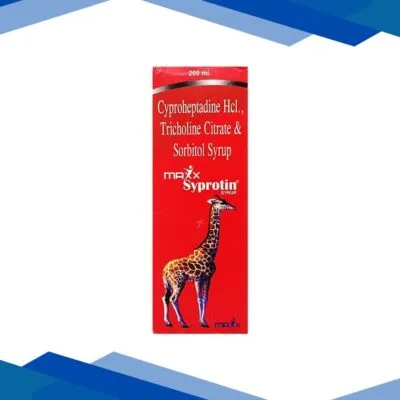
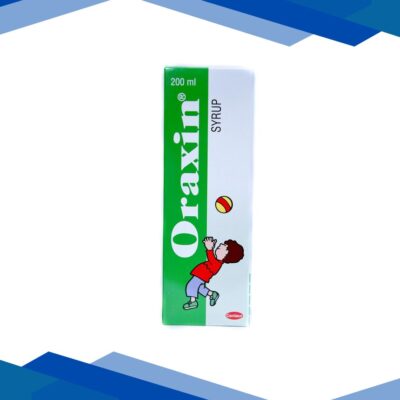
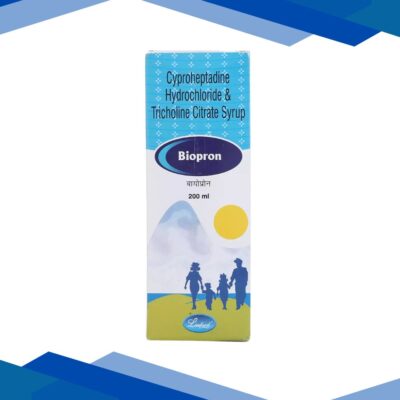
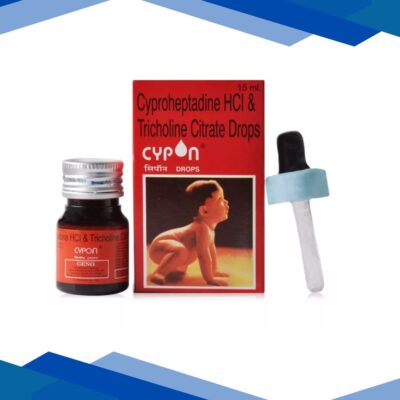
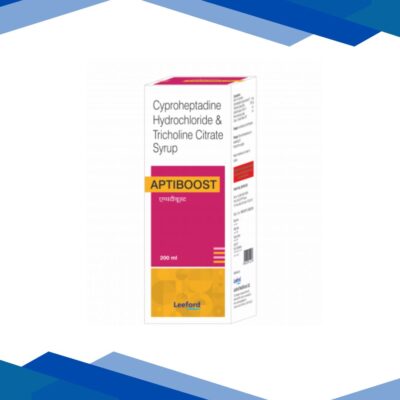
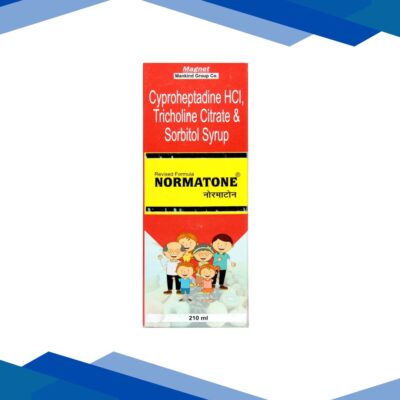
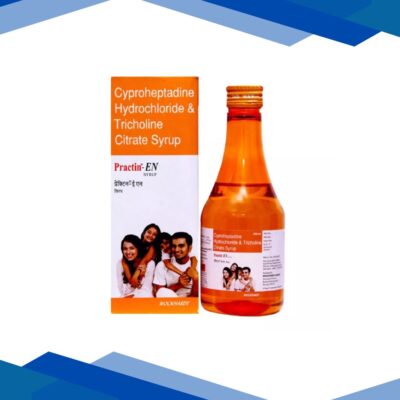
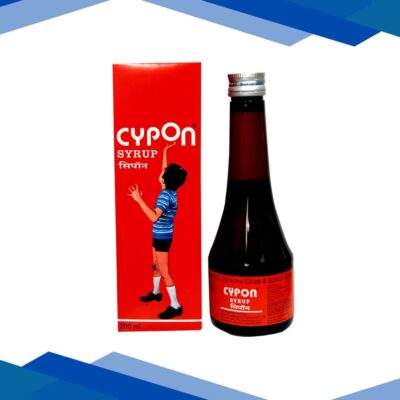
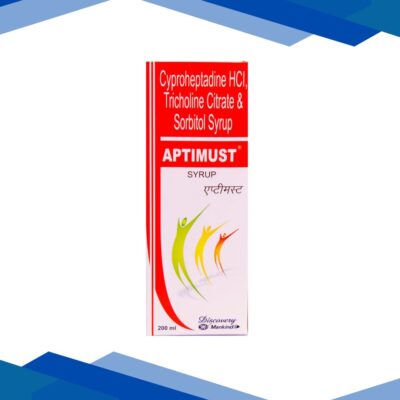
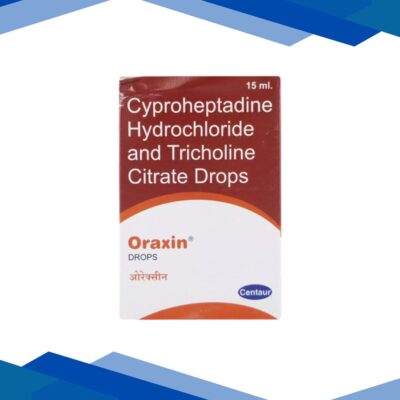
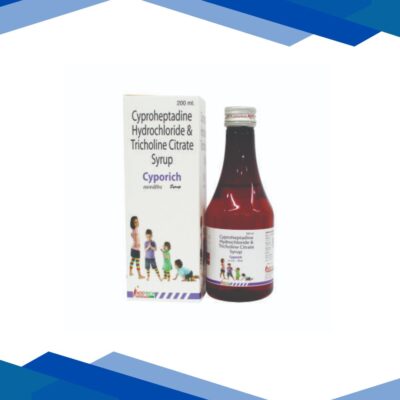
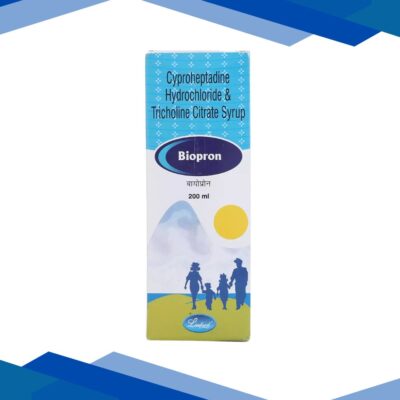
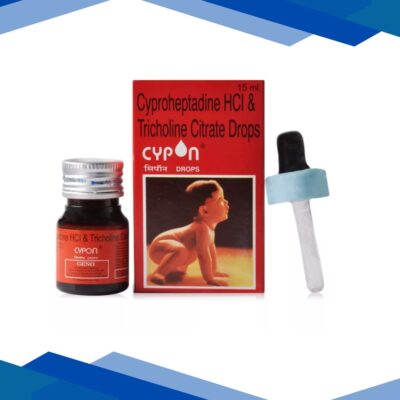
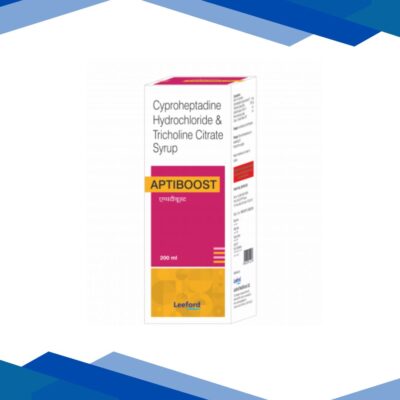
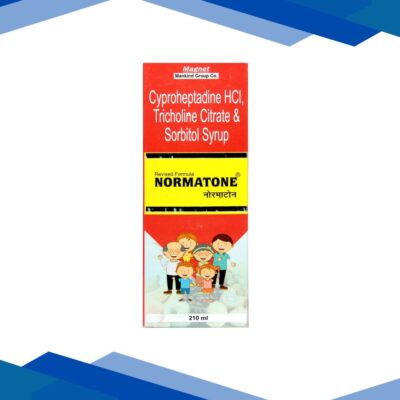
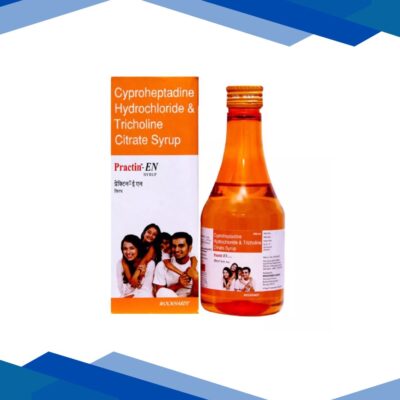
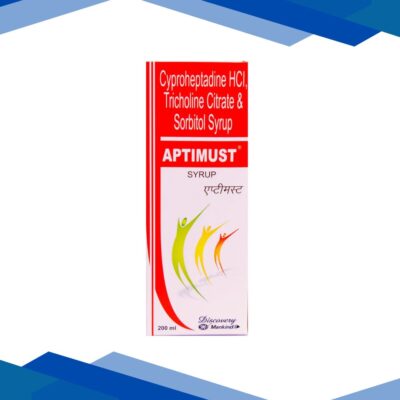
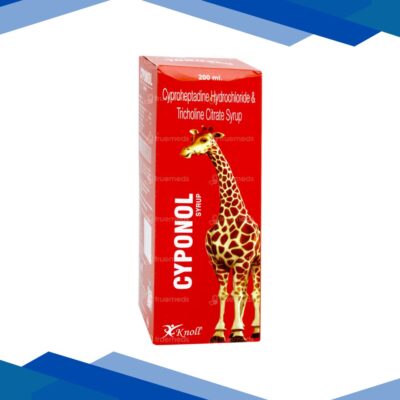
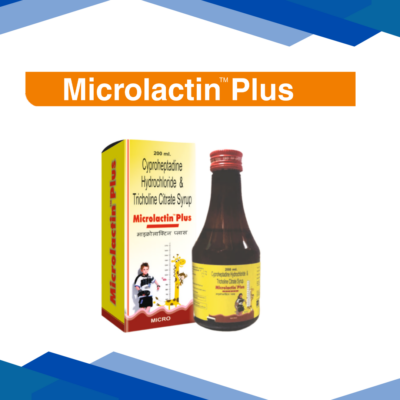
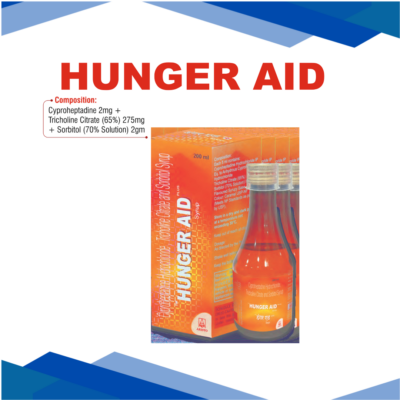
Tricholine Citrate Oral Solution / Tablets
Tricholine Citrate is a clinically proven lipotropic agent, meaning it helps pull fat out of storage, and it also works as hepatoprotective, so it tends to protect the liver. It’s commonly used to help hepatic function run better, handle fat accumulation in liver tissues, and bring plasma cholesterol levels back closer to balance. In a practical sense, it supports converting stored fats into usable energy profiles, which makes it an important part of managing fatty liver disease, and the metabolic issues that often show up with it.
Therapeutic Class:
Hepatoprotectives / Lipotropic Agents
Action Class:
Bile Acid Sequestering & Fat Metabolism Enhancers
Habit-Forming:
No
Prescription Required:
Yes (Rx)
Primary Uses & Clinical Benefits
1. Fatty Liver Disease Reversal (Hepatic Steatosis)
Tricholine Citrate mobilizes fats that have built up inside liver cells. It’s used as a core approach for both alcoholic and non-alcoholic fatty liver conditions, helping avoid worsening toward structural scarring or fibrosis.
2. Cholesterol Management
It works like an auxiliary bile acid binding agent, nudging the liver to lower circulating cholesterol supplies in order to build new digestive bile. This can help reduce high blood cholesterol, while also supporting lower systemic triglyceride levels.
3. Digestion and Appetite Optimization
By helping bile flow and being tied to bile synthesis, it can ease chronic indigestion, abdominal bloating, and flatulence. It also helps support normal nutrient absorption in people recovering from toxic liver injury.
Mechanism of Action: How It Works
Tricholine Citrate uses two main clinical pathways.
First, it acts as a precursor for phosphatidylcholine (lecithin). Lecithin is needed to package and move out low-density lipids from the liver, so there is less risk of dangerous intrahepatic fat pooling.
Second, it functions as a bile acid sequestering agent in the gut. When it binds intestinal bile acids and supports their elimination, it encourages the liver to pull cholesterol from the bloodstream to rebuild bile, which in turn can improve your lipid profile.
Standard Administration & Dosage Guide
How to take:
If you’re using the syrup version, use a marked measuring syringe or cup, do not rely on a regular kitchen spoon. Shake the bottle well before pouring. Tablets should be swallowed whole with plain water.
Timing:
For best therapeutic results, take the medication immediately after meals. This timing helps the active compound work alongside digestion, so it can process dietary fats more effectively.
Hydration Rule:
Drink extra fluids during treatment, because hydration helps the kidneys clear metabolic drug byproducts in a cleaner way.
Potential Side Effects
Tricholine Citrate is generally well tolerated, but a few people may notice temporary systemic changes, especially as the liver’s metabolic pace shifts.
Common Side Effects:
- Mild nausea or a fleeting bitter taste in the mouth
- Gastrointestinal gas, bloating, or mild abdominal cramps
- Temporary loose stools or constipation
Rare / Notable Side Effects (speak with your healthcare provider if ongoing):
- Fishy Body Odor: At higher therapeutic doses, breakdown of choline compounds can produce trimethylamine metabolites. This may cause a distinct, temporary odor in breath or body. Usually, increasing daily water intake reduces this.
- Mild dizziness or localized headaches
Safety Diagnostics & Precautions
Patient Profile | Safety Status | Clinical Directives
Alcohol Consumption | ❌ Strictly Prohibited
Avoid alcohol fully. Alcohol undermines the purpose of the treatment, since it directly contributes to fat buildup and cellular damage that this medicine is trying to reverse.
Pregnancy | ⚠️ High Caution
There is limited clinical documentation on fetal safety. Use only if your obstetrician considers it explicitly necessary and prescribes it.
Breastfeeding | ⚠️ High Caution
It’s not clearly established whether the active compounds enter breast milk. Nursing mothers should consult a physician before starting therapy.
Driving | ⚠️ Monitor Alert
Some formulations may cause mild drowsiness or dizziness. Avoid driving or operating heavy machinery until you know how your dose affects you.
Frequently Asked Questions (FAQs)
Q. Is Tricholine Citrate meant for direct weight loss?
No. It helps mobilize and break down fat molecules inside the liver to treat hepatic steatosis, but it is not an anti-obesity drug. It is not designed to trigger general whole-body weight loss. Its main target is internal visceral fat buildup in liver tissues.
Q. Why do some appetite-related syrups include Cyproheptadine with Tricholine Citrate?
In several popular formulations, including clinical appetite stimulants, Tricholine Citrate is paired with an antihistamine called Cyproheptadine. In those combinations, Cyproheptadine influences the central nervous system to encourage hunger, while Tricholine Citrate helps protect the liver from metabolic strain related to a higher dietary intake.
Q. How can I manage the fishy body odor that sometimes happens with this medicine?
That odor is usually a harmless effect tied to gut flora breaking down extra choline into a compound called trimethylamine. You can reduce it by staying well hydrated with plenty of water, which helps dilute the metabolite and supports faster elimination through urine rather than sweat.
Q. Can I take my daily vitamins at the same time as Tricholine Citrate?
Because Tricholine Citrate changes bile pathways and can affect intestinal absorption, it may temporarily delay or reduce how your body processes fat-soluble vitamins (A, D, E, and K) and other oral medications. As a general clinical rule, take other medications or supplements either 1 hour before, or 4 hours after your Tricholine Citrate dose.