Showing all 3 resultsSorted by popularity
Filter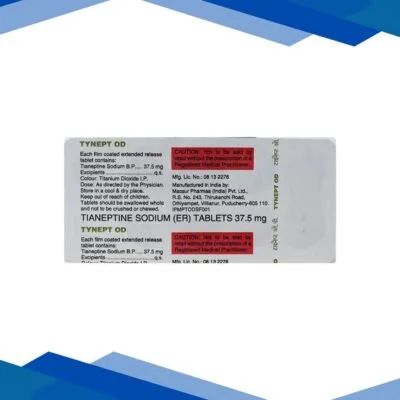
Tianeptine Sodium / Sulfate (Generic Overview)
Tianeptine is a bit, an atypical neurochemical agent used mostly as a prescription antidepressant in several regions of Europe, Asia, and Latin America. It is not like the classic antidepressants, because it has a multi-modal way of working, modulating glutamate receptors and also behaving as a selective µ-opioid receptor agonist.
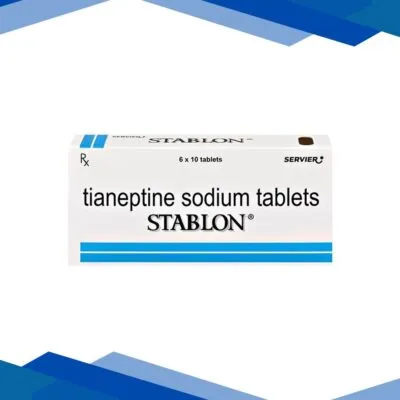
⚠️ Global Regulatory & Market Status Notice: Tianeptine is not approved by the U. S. Food and Drug Administration for any medical purpose, and it cannot be legally sold as a dietary supplement, or food additive. Where it is approved, often under names like Stablon, Coaxil, or Tianeurax, it is treated as a controlled prescription-only item because there is documented risk of dependency, plus severe withdrawal.
Therapeutic Class:
Atypical Antidepressants / Anxiolytics
Common International Brands:
Stablon, Coaxil, Tianeurax, Tatinol
Chemical Variants Available Globally:
Tianeptine Sodium (short-acting), Tianeptine Sulfate (extended-release)
Prescription Status:
Strictly controlled Rx-only (where approved); illegal or banned for consumer retail in multiple places globally, and in more than 10 U. S. states.
Therapeutic Indications & Approved Global Uses
In countries where health ministries have approved clinical distribution, Tianeptine is prescribed under close physician oversight for specific psychiatric conditions:
1. Major Depressive Disorder (MDD)
It may be used to manage mild, moderate, or severe depressive episodes. Clinical reports suggest it can match classic tricyclic antidepressants in effectiveness, but often leads to fewer typical anticholinergic symptoms, like strong dry mouth or blurred vision.
2. Associated Anxiety States
Because of neuroplastic effects, it can reduce physical and psychological anxiety symptoms that show up alongside persistent depressive conditions.
Mechanism of Action: How It Works
For a while, Tianeptine was described as a Selective Serotonin Reuptake Enhancer (SSRE). Still, current neuropharmacology research suggests its main benefits depend on other routes:
Glutamate Modulation:
It normalizes glutamatergic signaling in the hippocampus and amygdala, helping guard neurons from stress-related structural shrinkage, and supporting neuroplasticity.
µ-Opioid Receptor Agonism:
At therapeutic levels, it acts as a selective agonist at the µ (mu) opioid receptors. That component helps with fast mood improvement and anti-anxiety outcomes, but it is also tied to the potential for misuse if someone takes it in excessive, non-prescribed amounts.
Standard Dosage & Administration (Approved Regions Only)
Formulation Type:
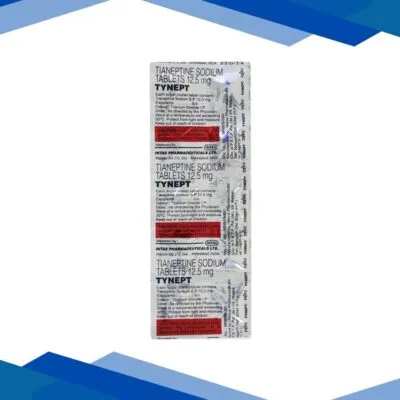
Tianeptine is mostly manufactured as 12.5 mg tablets.
Typical Clinical Dose:
The usual approved dose is 12.5 mg by mouth three times daily (morning, noon, and evening) before meals.
Special Populations:
For geriatric patients over 70, or for people with severe renal insufficiency, the baseline daily amount is often reduced by half to 12.5 mg taken twice per day.
Abrupt Cessation Warning:
Do not stop the therapy suddenly. A gradual medically supervised taper is needed to reduce acute withdrawal distress.
Documented Side Effects & Toxicities
Within strict therapeutic windows, adverse effects are often mild. Yet when it is misused, or taken at supratherapeutic levels, the toxicity picture can escalate quickly.
Common Side Effects (Therapeutic Dosing):
- Stomach discomfort, abdominal pain, or dry mouth
- Mild insomnia, vivid nightmares, or daytime drowsiness
- Localized headaches, or a dizziness-like sensation
Severe Abuse and Toxicity Symptoms (High Dosing):
Opioid-Like Toxicity:
Extreme agitation, confusion, respiratory depression (slowed breathing), fast heart rate, severe hypertension, coma, or death.
Severe Physical Dependence:
With high-dose, long use, tolerance can develop quickly, so people may escalate intake to avoid withdrawal that can resemble classic opioid withdrawal.
Safety Commitments & Drug Counter-Indications
| Interacting Substance / Condition | Danger Level | Critical Clinical Advisory |
|---|---|---|
| Monoamine Oxidase Inhibitors (MAOIs) | ❌ Absolutely Prohibited | Using MAO inhibitors alongside tianeptine creates an extreme risk of paroxysmal hypertension, high fever, convulsions, and cardiovascular collapse. Keep a strict 14-day clearance gap between these treatments. |
| Alcohol & CNS Depressants | ❌ Severe Risk | Alcohol, or mixing this drug with sedatives, can massively increase central nervous system depression, potentially leading to fatal respiratory arrest. |
| History of Substance Use Disorders | ❌ Contraindicated | Anyone with opioid misuse history, substance dependence, or addictive conduct should avoid this agent entirely, due to a high chance of compulsive escalation. |
Frequently Asked Questions (FAQs)
Q. What is the difference between Tianeptine Sodium and Tianeptine Sulfate?
Tianeptine Sodium is the highly soluble short-acting form seen in official prescription products like Stablon. It absorbs fast and clears quickly, which is why it is typically dosed three times a day. Tianeptine Sulfate is a modified form intended to release the active chemical more gradually, and for a longer duration.
Q. Why do some online communities refer to Tianeptine as “gas station heroin”?
That wording comes from unregulated, high-dose retail products, often sold illegally as liquid shots or novelty supplements in convenience stores or online. Because tianeptine has activity at µ-opioid receptors, taking very large doses beyond normal medical directions can cause brief opioid-like euphoria. This can drive rapid chemical addiction, serious medical crises, and withdrawal syndromes that look like severe opioid dependence.
Q. Can Tianeptine be safely paired with standard SSRI antidepressants?
Mixing tianeptine with other serotonergic medications needs careful medical review. It has been used under direct clinical supervision to help augment treatment-resistant depression, yet doing that without professional guidance increases the risk of unpredictable interactions, or central nervous system distress.
Q. What do tianeptine withdrawal symptoms feel like?
If someone misuses large doses and then stops abruptly, withdrawal can be severe and physically difficult. People describe intense muscle pain, severe abdominal cramping, vomiting, diarrhea, overwhelming anxiety, uncontrollable shaking, cold sweats, and risky hot-flash episodes. Medical detoxification is often needed so symptoms can be managed safely.