
Showing all 3 resultsSorted by popularity
Filter

VITAL STEAM Inhalation Capsule 10’s
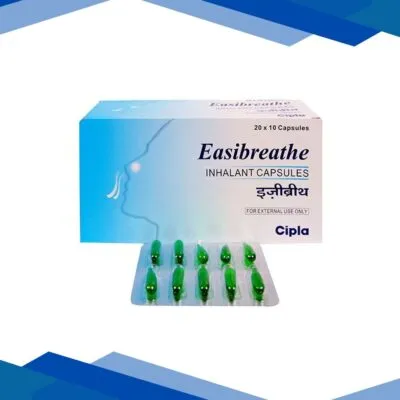
Terpineol (Generic Profile)
Terpineol is this naturally occurring monoterpene alcohol, mostly taken from high-quality pine and eucalyptus oils. People really rate it for counter-irritant, anti-inflammatory, and antimicrobial benefits so it gets used as a key active or supportive compound in respiratory therapies, topical pain-relief ointments, and inhalation capsules that aim to reduce the common cold.
Therapeutic Class: Respiratory Protectants / Local Counter-Irritants
Source: Botanical (made via hydration of alpha-pinene found in turpentine and pine oils)
Available Forms: Component in inhalation capsules, oral syrups, and topical pain balms
Prescription Status: Over-the-Counter (OTC) , and it is often paired with Camphor, Menthol, and Eucalyptol in Rx formulations
Therapeutic Indications & Clinical Benefits
1. Relief from Nasal and Chest Congestion
When used as an inhalant, Terpineol acts like a safe, local counter-irritant. It interacts gently with nasal-pulmonary reflex arcs, clearing blocked nasal passages, easing inflamed airways, and making breathing feel easier.
2. Soothes Dry, Stubborn Coughs
As a part of specialized cough formulas, Terpineol helps calm the sudden urge to cough while also creating a soothing, protective coating on irritated mucous membranes in the throat.
3. Natural Antimicrobial Defense
Clinical assessments suggest Terpineol has antibacterial and antiviral traits. When placed into respiratory treatments, it helps slow seasonal micro-organisms from multiplying inside the respiratory epithelium.
4. Enhances Skin Penetration
In topical pain patches and muscle rubs, Terpineol works as a natural permeation enhancer. It helps secondary pain-relieving salts move smoothly through the dermal barrier so they reach aching muscles quicker.
Mechanism of Action: How It Works
Terpineol works mainly through local sensory mechanisms, not heavy systemic absorption. When its vapors are inhaled, volatile aromatic compounds stimulate cold receptors in the nasal mucosa. That triggers a reflex response that can dilate nasal airways and thin thicker mucus secretions.
Topically, it changes the structured lipid bilayers in the skin’s outermost layer (stratum corneum). This temporarily helps therapeutic compounds seep down into underlying tissues, while it disrupts the cell membranes of localized bacterial pathogens.
Usage Instructions & Route Administration
For Inhalation Capsules:
Snip or cut the tip of the capsule, then squeeze the contents into a container of steaming hot water. Deeply inhale the vapors while a towel is draped over your head. Another option is a few drops onto a clean handkerchief or bedding for night-time inhalation.
For Topical Ointments:
Apply a thin layer over the chest, throat, or aching muscle groups. Rub gently until it absorbs. Do not put it directly inside the nostrils.
For Oral Syrups:
Use the exact dosage measured with the enclosed plastic cap, usually after meals or as directed by your healthcare practitioner.
Potential Side Effects
Terpineol is incredibly safe when used properly per label directions. Still, hypersensitive users may see mild, transient effects.
Common or Expected Reactions:
- A brief burning or tingling sensation at the topical site
- Mild eye watering or temporary nasal irritation if steam inhalation is too concentrated
- Slight skin redness (local flushing)
Rare or Serious Complications (Stop use immediately):
- Severe skin rashes, itching, or contact dermatitis
- Sudden choking, wheezing, or bronchospasms (especially in people with known asthma)
- Severe nausea or stomach upset if an inhalant or topical version is mistakenly swallowed
Safety Controls & Precautions
| Risk Evaluation | Clinical Verdict | Safety Guidance |
|---|---|---|
| Route Restrictions | ❌ Strictly External | Inhalant and topical capsules containing Terpineol must never be swallowed internally. Oral intake can lead to systemic toxicity. |
| Pregnancy | ⚠️ Caution Required | Because large-scale human clinical trial data is limited, pregnant women should ask their obstetrician before using Terpineol-based inhalants. |
| Asthma & COPD | ⚠️ High Alert | Strong aromatic vapors can sometimes trigger airway hyper-reactivity. Check with a pulmonologist before use. |
| Pediatric Use | ⚠️ Age Restrictions | Hot-water inhalation is not recommended for children under 2 years old, due to accidental steam scalding risk. |
Frequently Asked Questions (FAQs)
Q. What exactly is Terpineol, and where does it come from?
Terpineol is a naturally occurring volatile plant alcohol in the terpene family. It appears in more than 150 plants, including lavender, rosemary, and cardamom, but commercial harvesting is mainly from pine and eucalyptus oils. Many users recognize its clean, distinct lilac-like natural aroma.
Q. Why is Terpineol routinely combined with Camphor, Menthol, and Eucalyptol?
They tend to work together, synergistically. Menthol gives an immediate cooling sensation while Camphor deadens local pain signals, then Terpineol and Eucalyptol focus on deep congestion and help control airborne microbes. Together, they build a multi-action approach for cold symptoms.
Q. What should I do if Terpineol accidentally gets into my eyes?
Since it is a volatile organic oil, direct contact can cause sharp burning and immediate redness. Flush the eyes continuously with clean, lukewarm water for at least 10 to 15 minutes. Do not rub your eyes. If irritation or blurred vision lasts more than an hour, seek an eye specialist right away.
Q. Can I apply Terpineol-based oils directly inside my nose to clear a blockage?
No, do not apply concentrated Terpineol formulas directly inside the nostrils or onto broken, raw skin. The delicate mucous membranes inside the nasal cavity can get severely irritated, causing painful burning or localized swelling. Stick strictly to external chest rubs or steam inhalation methods.