Showing the single result
Filter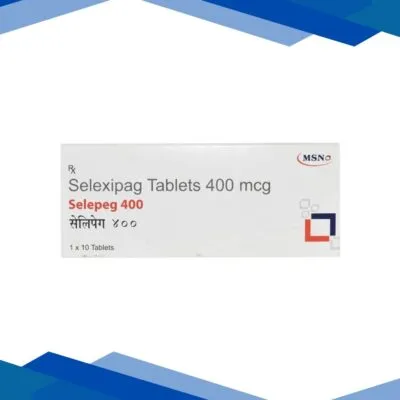
SELEPEG 400 Tablet 10’s
Selexipag Tablets (200 mcg / 400 mcg / 600 mcg / 800 mcg)
Selexipag is a prescription-only selective prostacyclin receptor agonist, made to manage Pulmonary Arterial Hypertension (PAH; WHO Group 1). By homing in on specific receptors within the vessel walls, it slows overall disease advancement, boosts day to day movement stamina, and can meaningfully lower the chance of needing hospital care again.
Therapeutic Class: Cardiovascular / Antihypertensives
Pharmacological Class: Non-Prostanoid Prostacyclin Receptor (IP Receptor) Agonist
Available Strengths: 200 mcg, 400 mcg, 600 mcg, 800 mcg, 1000 mcg, 1200 mcg, 1400 mcg, and 1600 mcg
Film-Coated Tablets
Prescription Required: Yes (Rx Only)
Habit Forming: No
Key Benefits of Selexipag Therapy
1. Opens Tightened Pulmonary Arteries
In people with PAH, the vessels sending blood from the right side of the heart to the lungs turn dangerously thick and rigid. Selexipag helps the lung arteries loosen and widen, lowering internal resistance so your heart pumps blood with less strain.
2. Helps Slow Long-Term Disease Deterioration
Ongoing clinical reviews show that sticking with Selexipag over the long haul can help prevent worsening cardiovascular symptoms, keeping baseline function stronger and supporting active mobility.
3. Reduces Emergency Hospital Return Visits
By supporting steadier, reduced arterial pressure inside the pulmonary circulation, this therapy can help protect patients who are more vulnerable to acute cardiac stress episodes that may require emergency admission.
How It Works
Selexipag is an oral prodrug. Your liver enzymes convert it into an active metabolite that is about 37-fold more potent. Compared with older synthetic prostanoids, Selexipag is highly targeted to prostacyclin IP receptors on human smooth muscle cells. This receptor activation raises cyclic adenosine monophosphate (cAMP) levels. The result is three main effects: strong vasodilation, reduced platelet clumping and decreased tendency for clotting aggregation, and less scarring or structural remodeling of vessel tissue.
Directions for Use and Dosing Regimen
How to Take: Swallow the tablet whole with plain water. Do not break, crush, chew, or split.
Food Recommendation: Taking your dose with a meal or snack is strongly suggested. Food may not change total absorption much, but it slows the timing of peak exposure, which typically improves overall tolerance.
Titration Phase: Most patients start at 200 mcg twice daily (roughly 12 hours apart). Under direct clinician oversight, the dose is usually increased by 200 mcg twice daily at weekly intervals until you reach your highest-tolerated maintenance dose.
Missed Dose Protocol: If you miss a dose, take it as soon as you remember. If your next scheduled intake is less than 6 hours away, skip the missed dose completely. Never take a double dose.
Possible Side Effects
Because Selexipag promotes vessel relaxation throughout the body, some temporary effects are expected, especially while the dose is being increased during early weeks.
Common Side Effects (Often manageable with symptom relief):
- Headaches (the most commonly reported)
- Jaw pain or facial flushing
- Diarrhea, nausea, or mild vomiting
- Muscle pain (myalgia) or localized pain in the arms legs
Rare or Serious Warnings (Call your healthcare team urgently):
- Sudden, intense dizziness or a rapid fall in blood pressure (hypotension)
- Possible hyperthyroidism signs, including unexplained fast heart rate or sudden weight loss
- Severe anemia or noticeable swelling (edema) in the lower legs
Safety Warnings & Drug Contraindications
Patient Profile
Safety Assessment
Clinical Directive Note
Alcohol Consumption ⚠️ Caution Use
Alcohol may intensify vasodilation-related side effects, increasing the likelihood of sudden dizziness, fainting, or severe headaches.
Pregnancy ❌ Avoid
There is limited data in humans. Animal research indicates potential effects on reproduction, so your specialist should weigh benefits versus risks for your specific situation.
Breastfeeding ❌ Not Recommended
It is not known whether Selexipag enters human breast milk. If you are nursing, speak with your clinician about alternate treatment paths or consider stopping breastfeeding.
CYP2C8 Drug Interactions ❌ Contraindicated
Do not use strong CYP2C8 inhibitors such as Gemfibrozil. Using them together can greatly raise Selexipag exposure and may lead to serious toxicity.
Hepatic Impairment ⚠️ High Caution
Selexipag can be used in mild liver impairment. In moderate impairment (Child-Pugh Class B), a modified once-daily dosing schedule is required. Avoid it completely in severe liver impairment.
Frequently Asked Questions (FAQs)
Q. Is Selexipag a type of blood pressure medication?
It is an antihypertensive drug, but it is not the usual systemic blood pressure treatment used for high blood pressure in the arm. Selexipag works on the pulmonary arteries between the heart and lungs, lowering pressure in the respiratory circuit by acting on targeted internal cellular receptors.
Q. What if side effects feel unbearable during weekly dose increases?
Jaw pain, headaches, and diarrhea are often seen when the medication is actively affecting blood vessels. If symptoms become too intense during titration, do not stop the medicine abruptly. Contact your prescribing physician, they will likely have you step back to the last weekly dose you tolerated, before attempting another gradual increase.
Q. If I go on a trip and miss Selexipag for a few days, what should I do?
Stopping therapy can lead to a dangerous rebound rise in pulmonary arterial pressure. If you miss Selexipag for 3 consecutive days or longer, do not return to your normal maintenance dose. Reach out to your doctor immediately, you will likely restart at the lowest baseline level (200 mcg twice daily) and slowly titrate upward again.
Q. Can I change from oral Selexipag tablets to an intravenous (IV) version?
An intravenous form does exist, but it is reserved for short-term hospital situations when a patient temporarily cannot swallow oral tablets, like right after surgery. Your hospital team will calculate the exact dose conversion from micrograms to milligrams to match your current oral maintenance dosing.