
Showing the single result
Filter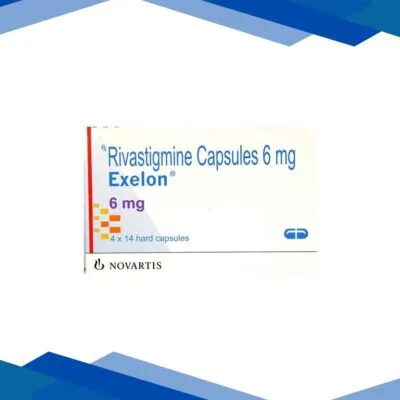
Rivastigmine Watch List for Cognitive Health
Rivastigmine is a prescription drug used primarily for the treatment of mild to moderate dementia, both due to Alzheimer’s disease and Parkinson’s disease. It falls under a class of drugs known as cholinesterase inhibitors. While it does not cure the disease, it helps to enhance mental performance (e.g., memory, communication, and daily living activities) by increasing the levels of certain natural substances in the brain.
Principal Uses
- Alzheimer’s Disease: Opposing memory loss and confusion.
- Parkinson’s Dementia: Enhancing cognition in Parkinson’s patients.
- Cognitive Support: Enhancing the ability to manage daily activities for patients.
How Rivastigmine Works
The brains of people with dementia have low levels of acetylcholine, a neurotransmitter necessary for memory, learning, and general thinking. Rivastigmine functions by blocking the enzyme, acetylcholinesterase, which naturally breaks down the messenger. By “switching off” the enzyme, the medicine allows the level of acetylcholine to increase; hence, it acts as an improved facilitator of communication between nerve cells.
Quick Safety Reference
| Feature | Details |
|---|---|
| Common Forms | Oral Capsules, Oral Solution, Transdermal Patches |
| Best Taken | With food (to reduce stomach upset) |
| Alcohol | Avoid; may increase dizziness or stomach issues |
| Key Warning | Tell your doctor if you have had any problems with ulcers or asthma |
Side Effects to Monitor
Most side effects have been mild and disappear as the body adjusts to the drug.
- Nausea or vomiting
- Loss of appetite/Weight loss
- Dizziness or lightheadedness
- Increased sweating
- Upset stomach
Note: If severe pain occurs in the abdomen or black gritty stools appear, see your healthcare provider immediately.
Patient’s Frequented Inquiries
1. How does Rivastigmine take to act?
Improvement in symptoms usually occurs after 4 to 12 weeks of consistent use. Continue taking the medication even if you do not notice any immediate change because the drug treats dementia progression slowly.
2. What if you miss a dose?
When you miss a dose, take it as soon as you remember, unless it is close to your next scheduled dose. Do not take two doses together. Call your doctor if you start missing doses for days. Do it before you resume taking.
3. Are patches better for you than capsules?
The transdermal system is often preferred because medication passes through the patch transcutaneously. This provides a continuous release of the drug into the skin throughout a 24-hour period. The hormone balance in this skin is one critical reason why there are fewer GI side effects (like nausea) than is typically associated with taking oral capsules.
4. Can Rivastigmine cure Alzheimer’s disease?
No, there is no cure in sight as yet for Alzheimer’s. Rivastigmine is a medication used to deal with symptoms of Alzheimer’s and improve quality of life by slowing the decline in mental cognitive abilities.
5. Are there any specific dietary restrictions?
There are no certain foods to avoid; however, it is advised that you take the oral formulation with meals—a full meal—and you are requested to continue treatment even if you notice no immediate effects from the medication.