Showing all 3 resultsSorted by popularity
Filter
Saridon Headache Relief Tablet 10’s
Propyphenazone: Overview, Uses, and Side Effects
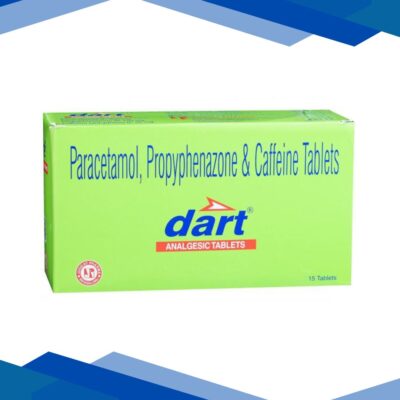
Propyphenazone is a fairly established non-steroidal anti-inflammatory drug (NSAID), from the pyrazolone family. It’s known for working fast, and it’s mainly used as an analgesic, meaning pain reliever, as well as an antipyretic that helps reduce fever. Rather than only calming discomfort, it aims at blocking certain chemical routes that are tied to sudden pain signals and overheated body temperatures. And because it tends to work well in synergy with other ingredients, you’ll often see it in common over-the-counter combination products, alongside paracetamol and caffeine, meant for tough headaches and body aches.
Key Benefits and Uses
Propyphenazone can give prompt relief for mild to moderate pain. In clinical settings it’s used for things like:
- Tension Headaches and Migraines: When paired with caffeine it narrows dilated blood vessels in the brain, and this can reduce throbbing head pain.
- Dental Pain: Fast support for toothaches and discomfort after a procedure.
- Menstrual Cramps (Dysmenorrhea): Lowers local prostaglandins that drive painful uterine contractions.
- Fever Reduction: Resets the body’s internal temperature control in the brain to help bring down high temperatures.
- Musculoskeletal Pain: Helps with short-term joint stiffness, minor backaches, and muscle strains.
How to Use Propyphenazone
Stick to the Dosage: Take it exactly as your clinician says, or follow the label on the product. Don’t raise the dose to get relief faster.
Protect Your Stomach: Even if it is generally less harsh on the digestive tract than older, more acidic NSAIDs, taking it with a glass of milk or right after a meal can prevent possible stomach irritation.
Short-Term Window: It’s made for short-term symptom control. Don’t use it continuously for long stretches unless a medical professional is monitoring you.
Avoid Overlap: Read the ingredient list on other cold, flu, or pain medicines. You may unintentionally double up on similar pain-relieving compounds.
Safety Advice and Precautions
Category
Guidance
Alcohol
Avoid alcohol while taking this medication. The pairing can increase drowsiness and also raises the chance of stomach or liver trouble.
Pregnancy
Unsafe. It’s strongly not recommended, especially late in pregnancy, because it can influence fetal circulation.
Age Limit
Generally contraindicated, or not recommended for children under 12 unless the pediatrician explicitly instructs otherwise.
Pre-existing Conditions
Use extreme caution if you have a history of gastric ulcers, bleeding disorders, or serious liver and kidney illness.
Common Side Effects
Most people tolerate Propyphenazone well at standard doses, but temporary effects can include:
- Mild indigestion, nausea, or localized stomach discomfort
- Dizziness, or a lightheaded sensation
- Mild drowsiness, or unexpected daytime fatigue
- Skin rashes or localized itching. Stop use right away if this happens.
Important Safety Note
Although it’s very rare, pyrazolone derivatives may influence blood counts if used heavily, or over a long duration. Talk to a physician if you notice unusual bruising, persistent sore throats, or unexplained exhaustion.
Frequently Asked Questions (FAQs)
Q: How quickly does Propyphenazone start relieving pain?
Because of its molecular structure, Propyphenazone is absorbed quickly through the digestive tract. Many users notice pain or fever relief within about 30 to 60 minutes after taking it by mouth.
Q: Is Propyphenazone addictive or habit-forming?
No. Propyphenazone is a non-narcotic, non-opioid pain reliever. It does not have habit-forming properties, and you can stop once your symptoms resolve.
Q: Can I take Propyphenazone if I am allergic to Aspirin?
If you have known sensitivity or an allergy to Aspirin, Ibuprofen, or other NSAIDs, you should avoid Propyphenazone. Cross-sensitivity can occur, so it’s best to consult your doctor for another option.
Q: Why is Propyphenazone commonly mixed with caffeine?
Caffeine works as an adjuvant that enhances the effect. It can speed absorption and constrict blood vessels in the head, which boosts the pain-relieving impact for migraines and severe headaches.