
Showing all 6 resultsSorted by popularity
Filter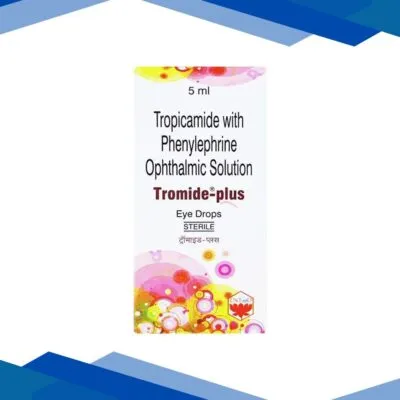


MYDRIASOL PLUS Ophthalmic Solution 5ml
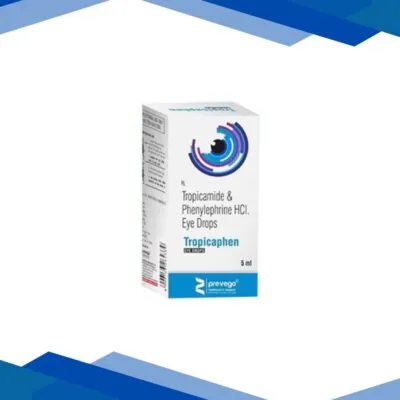
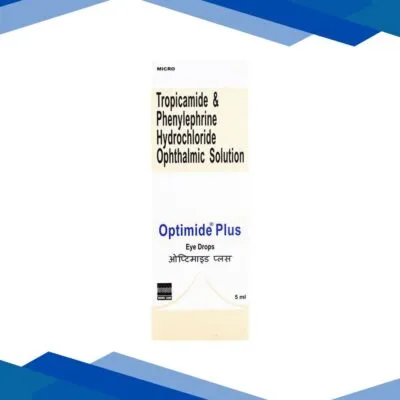
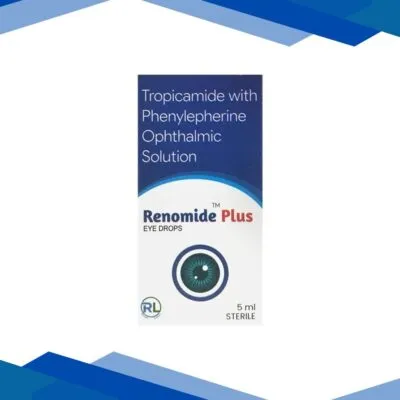
Two-fold use of Tropicamide and Phenylephrine is a purposeful drug only for practicing eye-care experts. This could be the blend with extraordinary prestige to bring about any dilate and paralyze cycloplegia, therefore a complete eye examination of all internal structures to the retina and optic nerve.
Working of the Ingredients
It is the concurrent support of these two actions that set the running ground for ample ophthalmic necessities—
Tropicamide: Tropicamide, as a parasympatholytic rather than a sympathomimetic agent, is fundamentally an anticholinergic in action; blocking the nerve impulses during the baseline restrictions of the pupils, and their subsequent dilation ensued, therefore not allowing the eye to up-close in view of the examination.
Phenylephrine is a sympathomimetic compound that stimulates the eye-opening pupil muscles. When used in conjunction with Tropicamide, it provides wide, non-cyclonic pupil dilation, giving ophthalmologists a clear view of the eye’s posterior taste.
Key Clinical Benefits
Thorough, Internal Examination: Such facilitated the complete evaluation of the retina, macula and blood vessels, detecting abnormalities including glaucoma or even diabetic retinopathy.
Refractive Accuracy: Temporarily rendering the eye unable to focus, this substance allows for determining the best power needed in young patients for lenses or spectacles.
Surgical Preparation: A common refractive pre-operative procedure for cataract and other intraocular operations.
Speed of Clearance: Usually reaches maximum peak within 20 to 40 minutes, facilitating a quick clinical session.
Indication And Usage
Patient Education: These drops are usually applied by a health care professional during an eye examination.
Technique: Tilt the head backward and put one drop in the lower eyelid bag. Press softly on the side of the nasal corner of the eye to prevent the medicine from entering the tear duct for approximately 1 minute.
Post-exam Care: After the appointment, make sure to have glasses with UV protection as your eyes have become quite sensitive to light.
Frequently Asked Questions (FAQs):
1. Until when will my vision stay blurred?
Usually back to normal within 4 to 6 hours, vision is highly likely to experience some light sensitivity or have some problem reading fine print for up to 24 hours.
2. Is it safe to drive after those drops have been put in?
It is unequivocally advised that one should steer clear of driving until the effects have become fully washed out or the glare and blurred vision may be an impediment for judging distances and reacting to traffic on the road.
3. Is there any discomfort caused by the drops?
An insignificant stinging or irritation for the next few seconds is common immediately directed on as the drops are instilled. The stinging or irritation generally fades away rapidly.
4. Can these eye drops be used if I have High Blood Pressure?
There is a possibility of causing a rise in blood pressure very transiently by using Phenylephrine. Always let the eye doctor know about any history of hypertension or heart disease before giving the eyedrops.
5. Why do I have to check for Glaucoma before taking these?
In certain individuals with certain anatomical eye structures (narrow angles), the dilation can cause a sudden increase in eye pressure. Usually, the doctor would run a quick test to see whether the eye pressure is normal under dilation.