
Showing all 3 resultsSorted by popularity
Filter
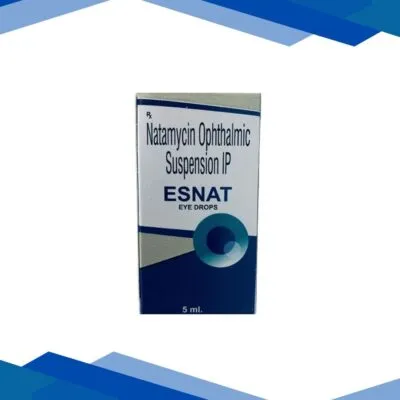

Natamycin Ophthalmic Suspension 5% w/v
Natamycin is a strong topical antifungal medicine used for external eye infections. It is a polyene macrolide antibiotic and is widely used in clinical practice for fungal keratitis, blepharitis, and conjunctivitis caused by sensitive fungal organisms such as Aspergillus and Candida. When applied directly to the ocular surface, Natamycin helps control fungal growth, reducing symptoms like eye redness, irritation, and discharge.
How It Works (Mechanism of Action)
Natamycin acts by disrupting the structural integrity of fungal cells through targeted binding:
Ergosterol Binding: The drug attaches to ergosterol, a key component of fungal cell membranes.
Membrane Alteration: This binding changes membrane permeability, disturbing internal balance.
Cellular Depletion: Essential ions, amino acids, and nutrients leak out of the fungal cell.
Selective Fungal Targeting: Human cells use cholesterol instead of ergosterol, so Natamycin acts selectively on fungi, helping preserve surrounding ocular tissue.
Key Benefits & Uses
Fungal Keratitis Care: Supports treatment of corneal ulcers and deeper fungal corneal infections under medical supervision.
Blepharitis and Conjunctivitis: Helps manage fungal infections affecting the eyelids and conjunctiva.
Low Systemic Absorption: Works locally on the eye surface with minimal absorption into the bloodstream, reducing risk of systemic side effects.
Safety Advice & Precautions
| Factor | Advisory |
|---|---|
| Pregnancy | Consult doctor before use. Limited human data available; use only if clearly needed. |
| Breastfeeding | Caution required. Discuss with ophthalmologist before use. |
| Driving | Temporary blurring may occur after instillation; avoid driving until vision stabilizes. |
| Contact Lenses | Not recommended during active infection. If permitted later, wait at least 15 minutes after use. |
Side Effects
Natamycin is generally well tolerated, with effects usually limited to the eye surface:
Common Side Effects:
Mild eye irritation or stinging after instillation
Redness or conjunctival swelling
Temporary blurred vision
Increased tearing or watering
Rare / Serious Side Effects (seek medical help):
Severe eye pain or worsening redness
Corneal opacity changes
Allergic reactions such as facial swelling, lip/tongue swelling, or breathing difficulty
How to Use Natamycin Eye Drops
- Wash hands thoroughly before handling the bottle.
- Shake well before each use to evenly distribute the suspension.
- Tilt head back, gently pull down the lower eyelid, and instill the prescribed drops.
- Avoid touching the dropper tip to the eye or any surface.
- Close eyes gently for 1–2 minutes after application.
- Apply light pressure to the inner corner of the eye for about 60 seconds to reduce drainage.
Frequently Asked Questions (FAQs)
Q. Is Natamycin effective against bacterial or viral eye infections?
No. Natamycin is strictly antifungal. It does not treat bacterial, viral, or parasitic eye infections. Using it unnecessarily will not help and may delay correct treatment.
Q. How long does it take for Natamycin eye drops to show results?
Some symptom relief may begin within a few days, but fungal eye infections often require extended therapy. Lack of improvement after 7–10 days should be evaluated by an ophthalmologist.
Q. Can I use Natamycin drops while wearing contact lenses?
No. Contact lenses should be avoided during active infection as they can trap fungi against the cornea and worsen the condition.
Q. What should I do if I miss a dose?
Apply the missed dose as soon as remembered. If the next dose is near, skip the missed one. Do not double dose.
Q. Why do I need to shake the bottle before using it?
Natamycin is a suspension, meaning particles settle at the bottom. Shaking ensures uniform distribution so each drop delivers the correct dose.