
Showing 1–20 of 22 resultsSorted by popularity
Filter


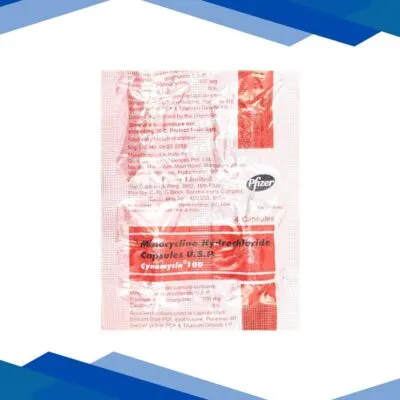
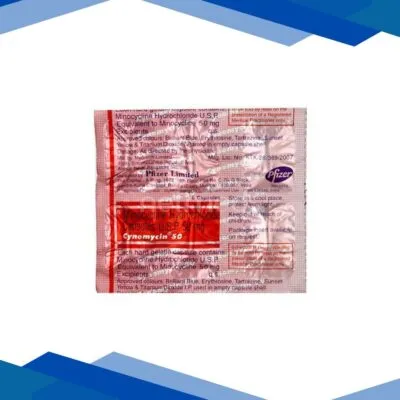
Cynomycin 50mg Capsule 6’S
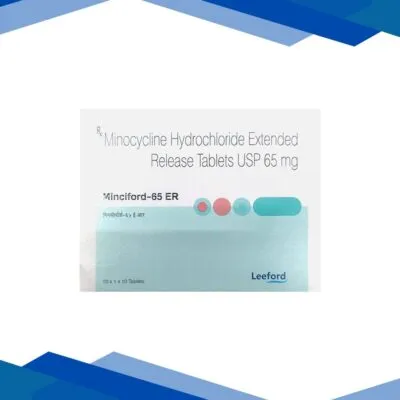
MINCIFORD 65 ER Tablet 10’s
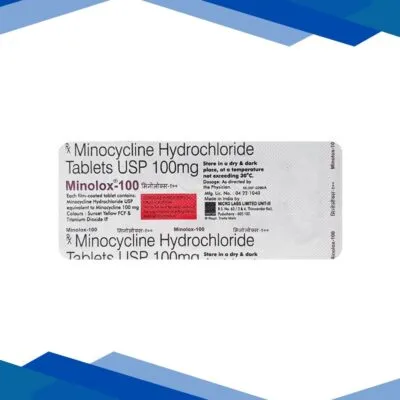
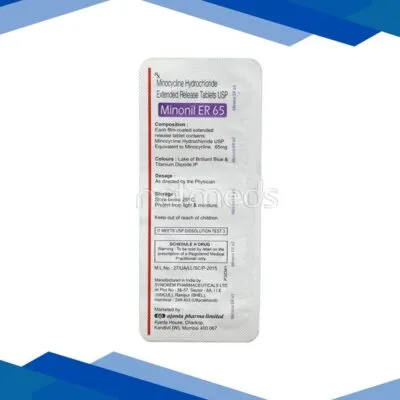
Minonil ER 65mg Tablet 10’S
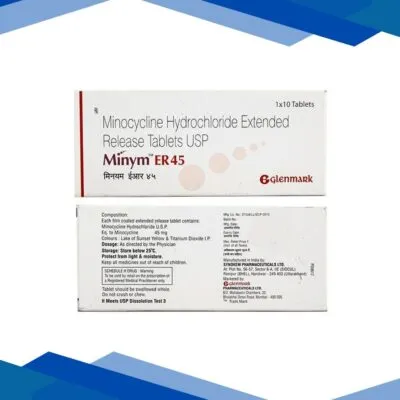
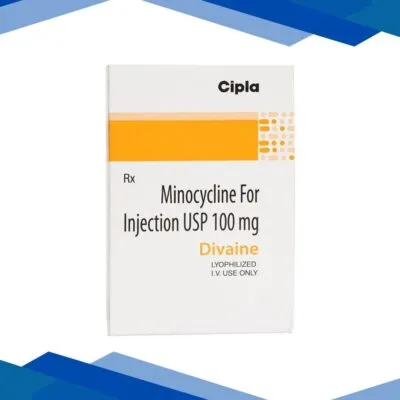
DIVAINE 100 Injection 1’s
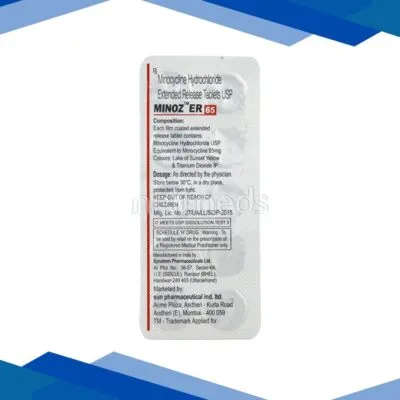
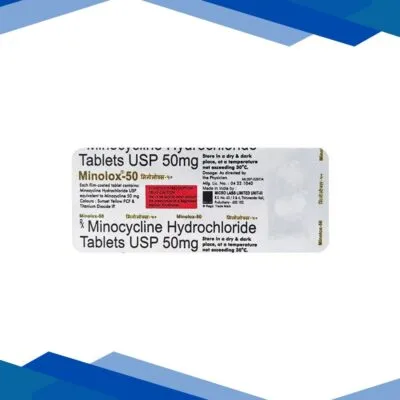
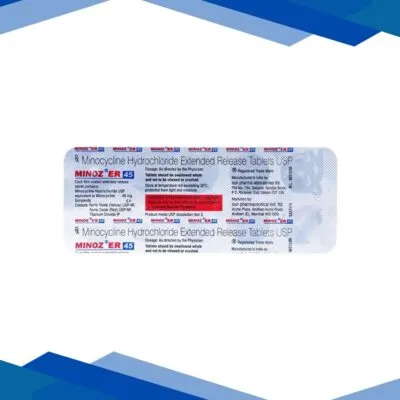
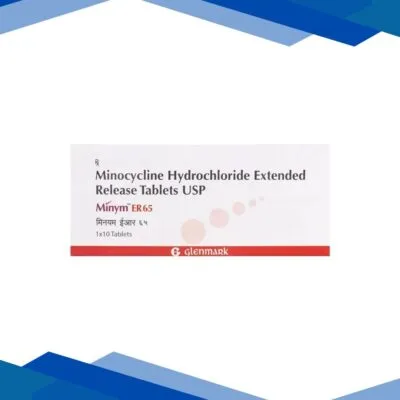
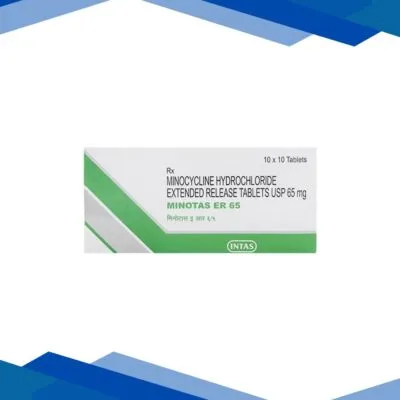
Minotas ER 65mg Tablet 10’S
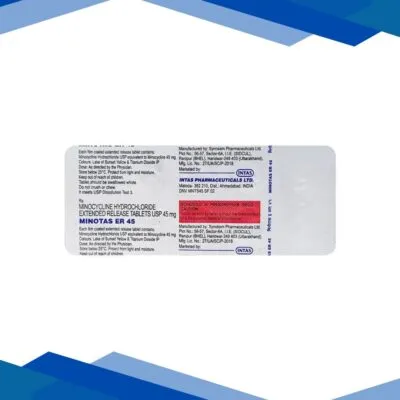
Minotas ER 45mg Tablet 10’S
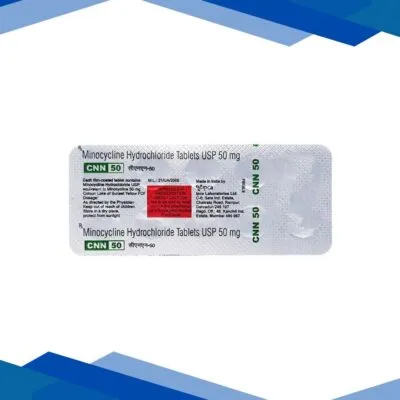
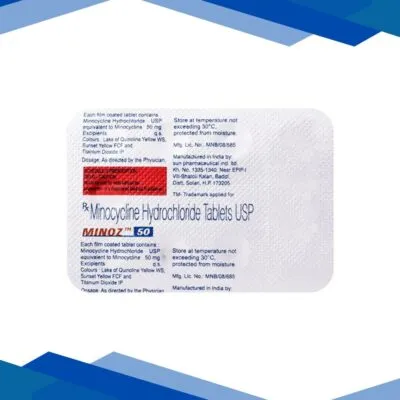
Minocycline: Overview, Uses, and Side Effects
Minocycline is a broad-spectrum antibiotic belonging to the tetracycline family. It is highly effective at stopping the growth of various types of bacteria and is uniquely recognized for its powerful anti-inflammatory properties.
While it is widely used to treat standard bacterial infections throughout the body, Minocycline is particularly famous in dermatology. Because it penetrates deep into the skin’s oil glands and reduces swelling, it is a go-to clinical choice for tackling stubborn, inflamed cases of acne that haven’t responded to topical creams.
Key Benefits & Uses
Doctors prescribe Minocycline for a variety of conditions, most notably:
-
Severe Acne Vulgaris: Treating moderate-to-severe nodular or inflammatory acne breakouts by killing acne-causing bacteria and cooling down skin inflammation.
-
Skin and Soft Tissue Infections: Managing infected wounds, abscesses, or boils.
-
Respiratory Tract Infections: Helping clear up certain bacterial types of pneumonia and bronchitis.
-
Specific Urinary & Reproductive Infections: Treating certain sexually transmitted infections (STIs) like chlamydia, especially when penicillin options cannot be used.
How to Take Minocycline Properly
To avoid stomach discomfort and ensure your body absorbs the medication properly, follow these practical steps:
-
Drink Plenty of Water: Always swallow the capsule or tablet with a full glass of water.
-
Stay Upright: Do not lie down for at least 30 minutes after taking Minocycline. This simple step prevents the medication from irritating or burning your esophagus (throat lining).
-
Watch the Dairy & Antacids: Calcium, iron, magnesium, and aluminum actively bind to Minocycline, stopping your body from absorbing it. Avoid drinking milk, eating yogurt, or taking antacids and multivitamins 2 hours before or 2 hours after your dose.
-
Finish the Bottle: Even if your skin or infection clears up within a few days, finish the exact course prescribed by your doctor to prevent the bacteria from mutating and returning stronger.
Safety Advice & Expert Precautions
| Category | Guidance |
| Pregnancy & Kids | Strictly Avoid. Minocycline can cause permanent gray-yellow-brown tooth discoloration and slow down bone development in a fetus or in children under 8 years old. |
| Dizziness & Driving | This specific antibiotic is known to cause lightheadedness, dizziness, or a spinning sensation (vertigo). Avoid driving or using machinery until you know how it affects you. |
| Sun Sensitivity | Minocycline makes your skin significantly more vulnerable to sunburns. Apply a high-SPF sunscreen, wear a hat, and limit your time in direct sunlight. |
| Birth Control | Antibiotics can occasionally reduce the effectiveness of oral contraceptive pills. Consider using a backup barrier method (like condoms) while on this medication. |
Common Side Effects
While taking Minocycline, you may experience mild, temporary reactions as your system adapts:
-
Nausea, vomiting, or a mild stomach upset
-
Dizziness or feeling slightly off-balance
-
Diarrhea or a headache
-
A mild metallic taste in the mouth
Emergency Warning: Discontinue use and contact your doctor immediately if you experience a severe, splitting headache accompanied by vision changes or ringing in your ears (possible signs of increased pressure inside the skull), or if you notice an unusual blue-gray discoloration of your skin, scars, or gums.
Frequently Asked Questions (FAQs)
Q: Can I take Minocycline with food?
Yes. While some tetracyclines must be taken on a completely empty stomach, Minocycline can be taken with food if it causes you nausea. Just make sure the meal doesn’t contain heavy amounts of dairy (like cheese, milk, or yogurt), as calcium interferes with how the drug works.
Q: Why is my doctor prescribing Minocycline for my acne instead of a regular skin cream?
Topical creams only treat the very surface of your skin. If your acne is deeply rooted, cystic, or highly inflamed, it means the infection and inflammation are deep within the pores. Minocycline works from the inside out, traveling through the bloodstream to directly target the deeper layers of the skin.
Q: How long does it take for Minocycline to clear up acne?
Patience is essential when treating skin conditions. While you might notice a reduction in skin inflammation within the first 2 weeks, it typically takes about 6 to 8 weeks of consistent daily use to see a dramatic, visible clearance of acne breakouts.
Q: Can Minocycline cause a yeast infection?
Yes, this is a possibility with many broad-spectrum antibiotics. Minocycline wipes out bad bacteria, but it can also reduce the “friendly” bacteria in your body that keep natural yeast levels in check. If you notice a thick white discharge or severe itching, consult your doctor for an antifungal treatment.
Disclaimer: The health, medical, and lifestyle insights provided on this page are strictly for educational purposes and cannot replace a professional medical consultation or diagnosis. Always speak directly with a certified healthcare provider before starting or changing any prescription drug routine.