Showing the single result
Filter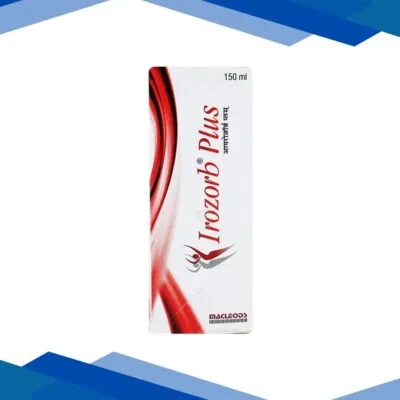
IROZORB PLUS Suspension 150ml
Methylcobalamin 1500 mcg Tablet / Capsule
Methylcobalamin is the clean, biologically active coenzyme form of Vitamin B12. Unlike the older cyanocobalamin type, where your body has to do some conversion work in the liver first, methylcobalamin is absorbed more easily and it gets used by the central nervous system pretty directly. It supports myelin formation (the protective layer around nerve fibers), it also helps with red blood cell creation, and keeps cellular metabolism in a healthier rhythm.
Therapeutic Class: Nutritional Supplements / Vitamin B12 Derivatives
Active Ingredient: Methylcobalamin (Mecobalamin) 1500 mcg
Habit-Forming: No
Prescription Status: Available Over-The-Counter (OTC) / often prescribed by physicians for focused neuropathy care
Therapeutic Indications & Clinical Benefits
1. Reversal of Peripheral Neuropathy
Methylcobalamin can be useful for nerve injury tied to long-term issues like diabetes (diabetic neuropathy) or nerve compression (sciatica). It may reduce common complaints such as numbness in one area, burning feelings, and pins-and-needles pain, etc.
2. Accelerated Nerve Regeneration
It supports nerve cells by backing protein and lipid synthesis, which helps damaged structures recover. That can help restore more normal electrical signaling, and support better muscle coordination.
3. Prevention of Megaloblastic Anemia
Methylcobalamin acts as an important cofactor for red blood cell maturation. With steady supplementation, it can help stop abnormally large, dysfunctional red blood cells from forming, which often links to fatigue and weakness seen in B12 deficiency anemia.
4. Cardiovascular Protection
It works along with folic acid to convert homocysteine into methionine. Keeping homocysteine levels lower matters, because higher homocysteine has been associated with endothelial injury and cardiovascular conditions.
Mechanism of Action: How It Works
Methylcobalamin works as a methyl group donor in cellular pathways. The core biochemical job is speeding up the conversion of homocysteine into methionine through the methionine synthase enzyme. This reaction is a step you need for making S-adenosylmethionine (SAMe), which matters for phospholipid methylation of the myelin sheath. When the protective coating is supported, the risk of axon degeneration goes down, and nerve conduction can stay healthier.
Recommended Dosage and Administration
How to Take: Swallow the tablet or capsule whole with a full glass of water. If you have a sublingual (fast dissolving) version, place it under your tongue and allow it to dissolve fully, no chewing.
Timing: Morning or afternoon is usually best, ideally with or right after food to improve intestinal absorption. Try not to take it late at night, because some people experience a sudden internal energy rise that can interfere with sleep.
Standard Adult Dose: 1500 mcg once daily is the common therapeutic dose for nerve rejuvenation, unless your primary healthcare specialist advises a different plan.
Potential Side Effects
Methylcobalamin is water-soluble, so extra amounts are commonly eliminated by the kidneys. Because of that, serious adverse reactions are extremely uncommon.
Minor or Temporary Side Effects:
- Mild nausea or abdominal bloating
- Transient diarrhea
- Mild headache or hot flashes
- Slight loss of appetite
Rare, Hypersensitive Symptoms (Seek Immediate Medical Care):
- Sudden skin rash, itching, or hives
- Swelling of the face, lips, or throat with trouble breathing
Safety Guidelines & Precautions
| Interaction Profile | Safety Status | Clinical Precaution Note |
|---|---|---|
| Alcohol Consumption | ⚠️ Caution | Heavy alcohol intake can reduce the stomach’s ability to release intrinsic factor, which may lower the absorption of Methylcobalamin. |
| Pregnancy & Lactation | ✅ Safe | Often considered safe and supportive during pregnancy and breastfeeding, for fetal neural development, with medical guidance. |
| Antacids & Metformin | ⚠️ Interaction | Long-term proton pump inhibitor use (like Omeprazole) or Metformin may interfere with B12 absorption, so supplementation may be needed. |
Frequently Asked Questions (FAQs)
Q. How does Methylcobalamin differ from standard Vitamin B12 (Cyanocobalamin)?
Cyanocobalamin is a synthetic Vitamin B12 form that contains a cyanide molecule. After you take it, your liver has to convert it into methylcobalamin before your nerves can use it. Methylcobalamin is already in its active coenzyme form, so your body can skip that conversion step and absorb it more efficiently, which can make it a strong option for nerve damage.
Q. How long does it take to see results for nerve pain?
Nerve tissue repairs slowly, so noticeable relief from numbness, burning, or tingling often takes about 2 to 4 weeks of daily, consistent use. If neuropathy is chronic or long-standing, your clinician may suggest a continuous stretch for several months.
Q. Can I take Methylcobalamin 1500 mcg if I am a strict vegetarian?
Yes, it’s typically a solid choice. Vitamin B12 is found mainly in animal-derived foods such as meat, fish, eggs, and dairy. If you follow vegetarian or vegan diets, risk for severe B12 deficiency can be higher, so a daily 1500 mcg supplement is often recommended to support nerve function and healthy blood cell activity.
Q. Will a high dose of Methylcobalamin cause toxicity in my body?
Usually no. Since methylcobalamin is water-soluble, the body does not keep risky built-up stores in tissues. If you take more than your cells require, your kidneys can filter out the extra through urine. Still, you should follow the daily amount advised by your healthcare provider.