
Showing the single result
Filter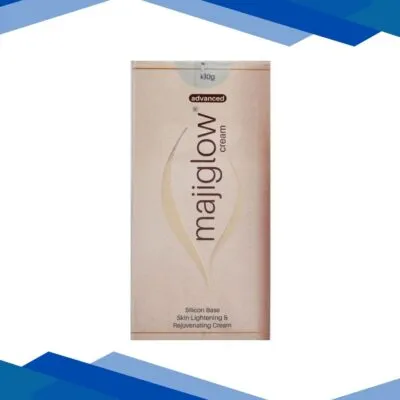
MAJIGLOW ADVANCED Cream 30gm
Mequinol: Overview, Uses, and Side Effects
Mequinol (chemically known as 4-hydroxyanisole) is a specialized topical prescription medication utilized to treat hyperpigmentation and localized skin discoloration. It belongs to the therapeutic class of phenolic hypopigmenting agents.
When dark patches form on the skin, it is typically due to an overproduction of melanin (the pigment that gives skin its color) by cells called melanocytes. Mequinol acts as a substrate for the enzyme tyrosinase, working from the inside out to inhibit the chemical pathway responsible for melanin synthesis. By reducing pigment production at the cellular level, it gradually lightens the darkened skin areas to match your natural complexion.
Key Benefits & Uses
Dermatologists prescribe Mequinol treatments to target specific types of superficial skin discoloration, including:
-
Solar Lentigines (Age Spots/Sun Spots): Lightening flat, brown spots that develop on areas frequently exposed to the sun, such as the face, hands, and forearms.
-
Melasma / Chloasma: Fading patchy, dark brown skin discoloration that commonly occurs on the cheeks, forehead, and upper lip due to hormonal changes or sun exposure.
-
Post-Inflammatory Hyperpigmentation: Gradually clearing up dark marks left behind after a skin injury, acne breakout, or inflammation heals.
How to Apply Mequinol Correctly
To ensure even skin lightening and prevent unintended irritation, adhere to these application guidelines:
-
Clean and Dry Surface: Wash the target skin gently with a mild cleanser and pat it completely dry. Wait 10 to 15 minutes before applying the medication to reduce potential skin irritation.
-
Precision Application: Use an applicator or a fingertip to apply a thin layer of the solution or cream strictly to the dark spots. Avoid spreading it onto surrounding healthy skin, as this can cause an unwanted halo effect of lightened skin.
-
Avoid Sensitive Areas: Keep the product well away from your eyes, nose, lips, mouth, or any open wounds.
-
Wash Hands Immediately: Wash your hands thoroughly with soap and water immediately after application to prevent lightening the skin on your fingertips.
-
Let It Dry: Allow the medication to dry completely (usually a few minutes) before applying cosmetics, regular moisturizers, or sunscreen over the area.
Safety Advice & Expert Precautions
| Category | Guidance |
| Sun Exposure | Strict Protection. Mequinol makes your treated skin highly vulnerable to the sun. You must apply a broad-spectrum sunscreen of SPF 30 or higher daily and wear protective clothing over treated areas. |
| Combined Therapies | Mequinol is frequently combined with Tretinoin (a retinoid) to enhance absorption. If using a combination product, expect slightly more initial skin flaking as your skin adjusts. |
| Pregnancy & Lactation | Consult your dermatologist immediately if you are pregnant or breastfeeding. Topical phenolic compounds should only be used if explicitly deemed safe and necessary by a specialist. |
| No Bleaching Claims | Mequinol is designed to fade hyperpigmentation back to your natural baseline. It is not intended for widespread cosmetic skin bleaching or altering your natural skin tone. |
Common Side Effects
Mequinol is generally well-tolerated when used precisely on localized spots, but mild skin adjustments can happen during the first few weeks:
-
Mild redness, stinging, or a burning sensation immediately after application
-
Temporary skin dryness, peeling, or flaking around the dark spots
-
Mild skin irritation or localized itching
When to consult your dermatologist: Discontinue use and seek medical advice if you experience severe skin swelling, crusting, intense burning, or if the skin turns completely white (depigmentation/vitiligo-like spots) extending far beyond the original dark spot.
Frequently Asked Questions (FAQs)
Q: Is Mequinol the same thing as Hydroquinone?
No, they are different chemical compounds, though they belong to the same broader family of skin-lightening agents and share a similar goal. Hydroquinone is an older, widely known compound that can sometimes cause severe skin irritation or ochronosis (darkening of the skin) if used improperly long-term. Mequinol is a newer derivative engineered to offer target-specific pigmentation clearing, often carrying a lower risk of certain structural skin complications when paired with a proper sun-protection routine.
Q: How long does it take to see results with Mequinol?
Skin cells regenerate slowly, so patience is key. While some individuals notice a subtle fading of sun spots within 4 to 6 weeks, it typically takes 8 to 12 weeks of continuous, daily application to achieve a significant, visible reduction in hyperpigmentation.
Q: What should I do if I miss an application?
Apply the missed dose as soon as you remember. However, if it is almost time for your next scheduled application, skip the missed one entirely and return to your regular routine. Do not apply a double amount to make up for a missed day, as this will only increase skin irritation.
Q: Can I use chemical exfoliants or face scrubs while using Mequinol?
You should avoid harsh physical scrubs, astringents, peeling masks, or products containing high amounts of alcohol, salicylic acid, or glycolic acid unless your dermatologist explicitly clears them. Combining these with Mequinol can compromise your skin barrier, leading to severe inflammation and potential post-inflammatory darkening.
Disclaimer: The dermatological and clinical insights provided on this page are intended strictly for general educational purposes. They cannot replace a personalized, professional medical consultation, diagnosis, or treatment plan from a certified dermatologist or physician. Always consult your doctor before beginning a new prescription skincare regimen.