
Showing all 8 resultsSorted by popularity
Filter
Magprol CR 500mg Tablet 10’S

Macorate CR 400mg Tablet 10’S
Macorate CR 500mg Tablet 10’S
Macorate CR 200mg Tablet 10’S
Magprol CR 400mg Tablet 10’S
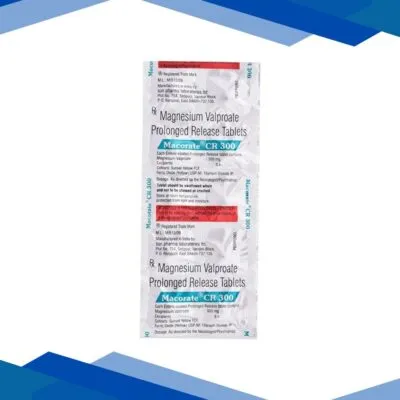
Macorate CR 300mg Tablet 10’S
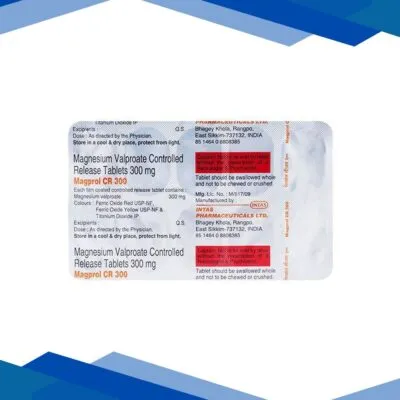
Magprol CR 300mg Tablet 10’S
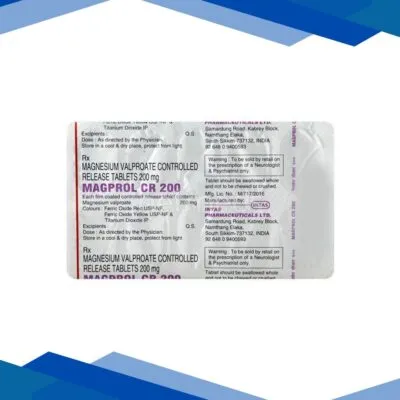
Magprol CR 200mg Tablet 10’S
Magnesium Valproate: An Advanced Neurological Adjustment and Mood Stabilizer
In clinical practice, magnesium valproate, the antiepileptic and mood-stabilizing treatment proven in the literature, is commonly employed (as regulation of different types of epilepsy and bipolar disorder). Through the combination of the therapeutic properties of valproic acid and magnesium, this particular product is designed in the presence of the very stable chemical composition. It is planned to work to moderate excessive nervous impulses within the central nervous system for restoring a better neurological balance.
The Mechanism of Action
Magnesium Valproate is believed to be good through covalent and altering the neurotransmitter pathways, thereby attempting to stabilize the neuronal membrane in the brain:
Stimulation of the GABA Functioning: It will go in for GABA synthesis and inhibit GABAa destruction. GABA is the primary inhibitory neurotransmitter in the brain. Aggravation in GABA levels will inhibit excessive electrical readings.
Sodium Calcium-Channel Blockade: The proposed anticonvulsant makes its target voltage-gated sodium channels and T-type calcium channels on neurons. This had the effect of preventing frequent or rapid firing of voltages, thus disrupting the generation and conduction of abnormal electrical disturbances.
Magnesium Synergy: As an element included in the system with magnesium, this drug supplies additional structural support for the cell membrane. It also helps temper NMDA-receptor-mediated excitotoxicity for the smooth conductance of neurological activities.
Major Clinical Indications
The control of epilepsy Seizures: It is a potent and effective antiepileptic treatment for multiple types of generalized, partial, and absence seizure, as well as myoclonic seizures, either as monotherapy or in combination with other antiepileptic drugs.
The stabilization of bipolar disorder: This drug is used to manage acute manic or mixed episodes of bipolar disorder, smoothing out highs and lows of intense emotions.
Migraine Prophylaxis: Prescribed for the purpose of treatment, to alleviate headaches, or to prevent the target being moved toward chronicity, by reducing the frequency, duration, and severity of migraine headaches in adult patients.
Instructions for use & Dosage
With food: To address early gastrointestinal discomfort, nausea, or stomach upset, always take this drug with or immediately following food at all times.
Take it whole: Never chew, crush, or divide the sustained-release or enteric-coated tablets. This way, rapid drug diffusion can be precluded—to promote a more consistent absorption.
Consistency: Never miss a dose—taking it at the same time every single day is crucial. It is essential for the drug to be held at consistent levels in the bloodstream so as to remain in control of seizures or mood swings.
Regular Lab Monitoring: The doctor somehow needs to keep an eye on your liver function, full blood counts, and serum valproate levels. The doctor will ensure that your dose is kept in a therapeutic but safe range.
Frequently Asked Questions (FAQs)
1. Explain how Magnesium Valproate is different from Sodium Valproate.
These medications are designed to treat neurological symptoms, with both delivering valproic acid. However, magnesium is the carrier molecule in Magnesium Valproate in place of sodium. Some clinical evidence suggests that the magnesium-bound form has excellent gastrointestinal tolerance and provides additional membrane-stabilizing effects as compared to sodium-bound Valproic Acid, thereby rendering it more stomach-friendly for some groups.
2. Can I quit taking this medicine as routinely after my symptoms improve?
No. Stopping Magnesium Valproate abruptly may lead to serious health problems such as status epilepticus or a severe relapse of manic mood symptoms. Any change or ousting of its dosage should be done gradually under the direct supervision of the patient’s neurologist or psychiatrist.
3. What is there for me to do if I accidentally pass a dose schedule?
Because the human body is a complex mechanism in which nutrients interact with each other, consuming a given food item at the same time as magnesium valproate can either increase the activity of absorption or neutralize the same. Discuss further within this deterministic negative category; that is, avoid high-protein meals while rendering a low-tryptophan diet, as the two extremes might pose retrogressive activities if they inhibit other mechanism paths of absorption and body systems or metabolism actions which in turn can baulk the drug from therapeutic advantages!
6. What if I miss a dose?
Please feel it is in order to take another pill as soon as one appears to lay hold of resources to continue a new attack right there. But otherwise, just disregard the skipped dose and concur even more with the doses already scheduled. Please never pop two pills since one was missed and try to inflate the active dose rather than cause toxicity to the drug at an earlier stage.
7. Can pregnant women take magnesium valproate?
Important: Valproate-containing drugs pose significant risks of major congenital malformations and neurodevelopmental disorders in the unborn child. Therefore, if you are pregnant, planning to become pregnant, or of childbearing potential, you must discuss other available treatment options with your specialists. Reliable contraception should be ensured while taking this drug.
8. Are there any foods or substances I should avoid consuming?
You might want to stay clear of alcohol totally during your medications. Both alcohol and valproate are involved in liver metabolism and central nervous system depression, so when combined, they can increase the risk of liver strain and be responsible for a serious amount of sleepiness and dizziness. Please consult with your pharmacist about any new over-the-counter medications you take.