
Showing 1–20 of 132 resultsSorted by popularity
Filter
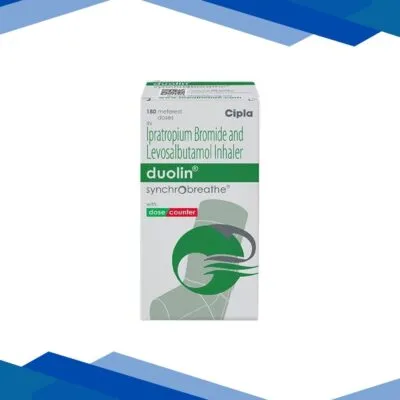
DUOLIN SYNCHROBREATHE WITH DOSE COUNTER Inhaler 180md
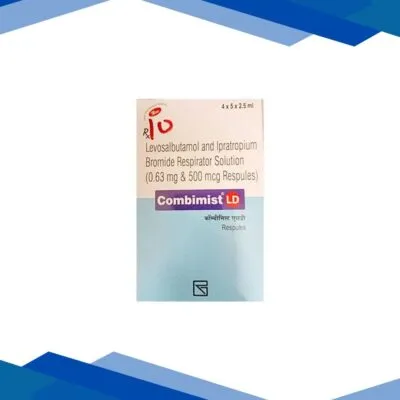
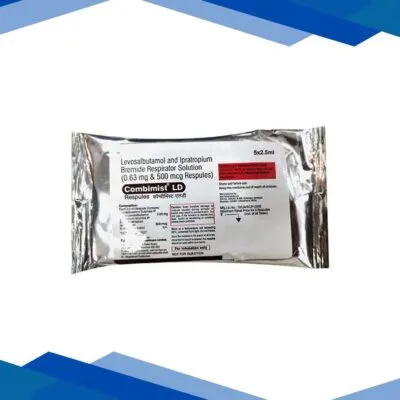
COMBIMIST LD Respules 5X2.5ml
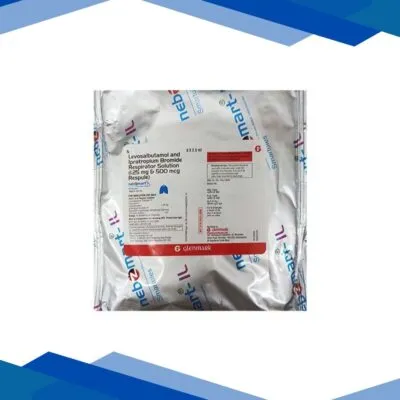
NEBZMART IL Smartule 8X2.5ml
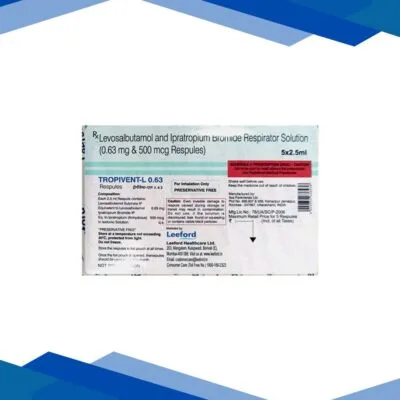
TROPIVENT L 0.63 Respules 5×2.5ml

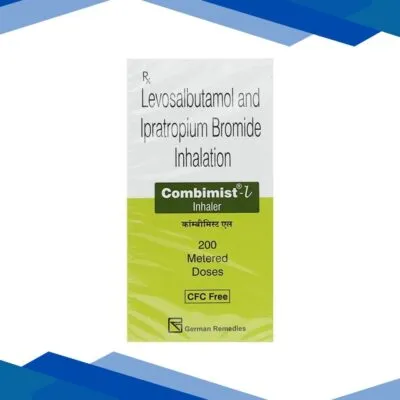
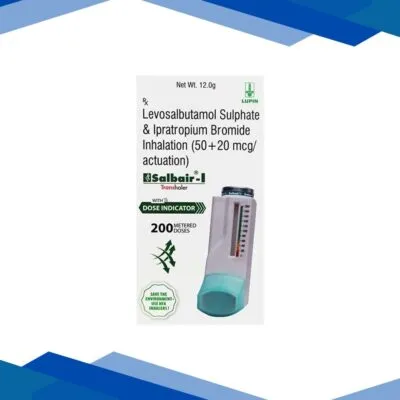
SALBAIR I WITH DOSE INDICATOR 200md Transhaler 12g
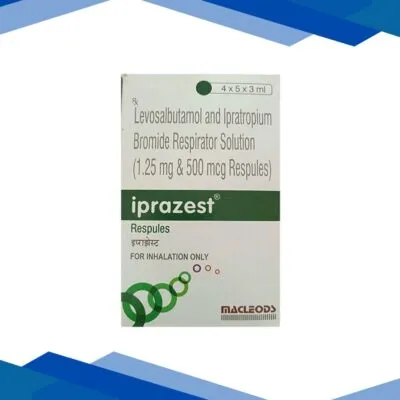
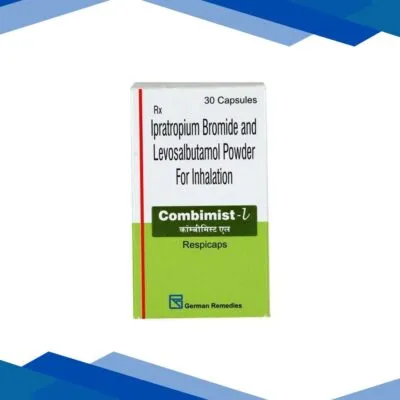
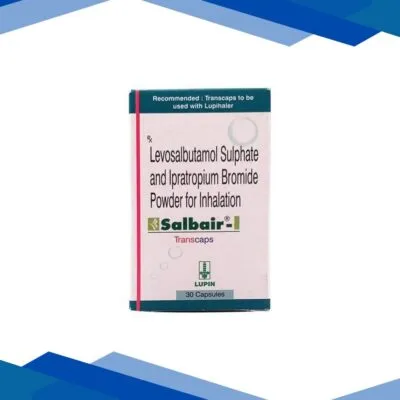
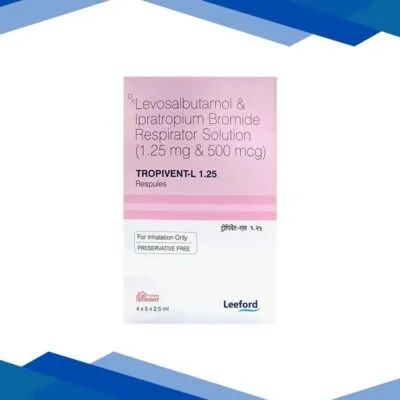
TROPIVENT L 1.25 Respules 5×2.5ml
Duolin LD 500mcg/0.63mg Respule 5X2.5ml
Duolin with dose counter Inhaler 200Md
Salbair I Neb 0.63mg Transpule 2.5ml
Levosalbutamol: The Quick Treatment of Inability to Breath and Asthma
In clinical terms, levalbutamol’s ability to assist patients suffering from asthma and chronic obstructive pulmonary disorder, for their action on opening up the bronchial tree, is of prime importance in preventing wheezing, chest tightness or shortness of breath.
How it works
Levosalbutamol is a beta-sympathomimetic drug. It starts its action by first targeting a wide variety of cells within the entire bronchial tree and eventually in the respiratory organs by activating the beta-2 adrenoceptor. The catecholamines binding with this type of receptor causes the muscles surrounding the airways to relax very quickly. Indices betweemed by this biological process reach to a stage in seconds where it is believed that the pulmonary system permits transportation of gaseous oxygen in and out urgently.
Key benefits
Rapid, twice-relief: It acts very quickly by opening up the bronchial tree due to constriction in acute respiratory attack situations.
Option for Possible Used: Being the active form of salbutamol, the Levosalbutamol acts better at lower strength of doses and with fewer side effects, gbeing out-of-the-common experiences of shakes.
Packaged Forms
Inhalers, rotacaps, and nebulizers, there’s always something one would find comfortable even when on foot.
Usages and Safety Instructions
1) Rescue Medication – A ‘reliever’ inhaler is one more form of its usage. Carry along wherever you go in instances of the induction of sudden symptoms.
2) Correct Technique – An airtight seal of lips with the exhaler would be the proper technique in order to be able to breathe as normally as possible and successfully incorporate inhaled concoctions into every breath.
3) Giving History: One should know that medical background details are to be shared with the doctor including ailments like hypertension, arrhythmias, diabetes, or any degree of thyroid problems.
Frequently Asked Questions (FAQs)
1. What are the differences between Levosalbutamol and Salbutamol?
Levosalbutamol contains only the active “enantiomer” of the medicine which means about half the amount of the regular or standard salbutamol is needed to produce the same level of effectiveness. It may lead to a higher frequency of “stimulatory side effects” as seen from prior clinical trials than with the regular salbutamol formulations.
2. How soon will I feel or not feel the effect?
Usually, it takes about 5-10 minutes for Levosalbutamol to start working when it is inhaled, with the peak effect achieved at about 1-1½ hours. It can last for 3 to 6 hours.
3. Can a diabetic patient also take it?
One option is to be cautious when starting Levosalbutamol therapy because this compound, at times transiently, raises the blood sugar level. Hence, attention to one’s diet is a primary consideration when administering Levosalbutamol to diabetics, followed by regular glucose monitoring. The physician will then modify dosing accordingly.
4. What happens if my inhaler does not appear to be effective?
If you feel sharp bronchoconstriction following inhaler use, you can use an SOS inhaler. If there is still no relief, a nebulizer may be the next option.
If you use your “reliever” inhaler, but still feel difficulty in breathing, or if you will be needing it more than three times a week, then the condition of asthma may not be totally controlled. Get immediate assistance instead of going for an increase in your dose.
5. Can it be consumed during pregnancy?
Levosalbutamol should be used during pregnancy only if the benefits for the mother outweigh the risks for the developing fetus. Consult your obstetrician or primary care doctor for the use of inhaled respiratory drugs in pregnancy.