Showing 1–20 of 36 resultsSorted by popularity
Filter
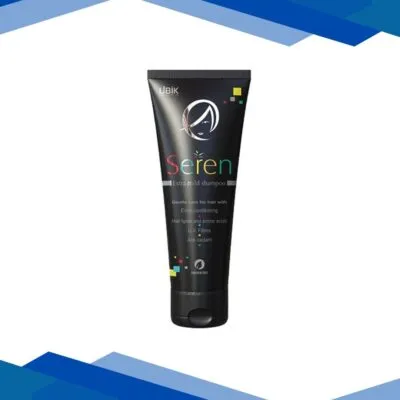
SEREN EXTRA MILD Shampoo 100ml
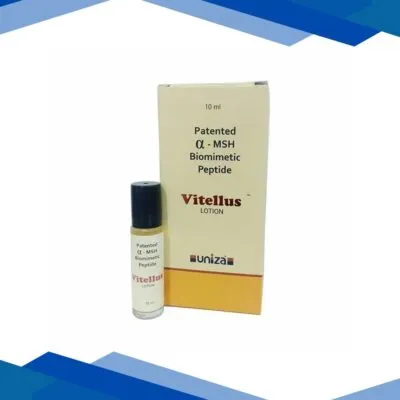
VITELLUS Lotion 10ml
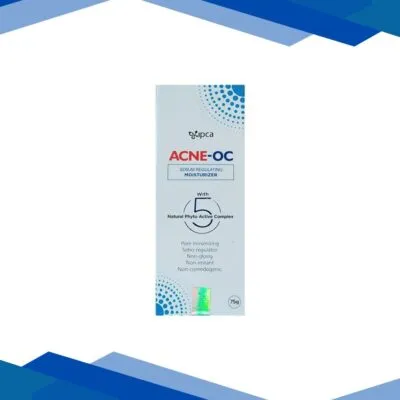
ACNE OC SEBUM REGULATING Moisturiser 75gm
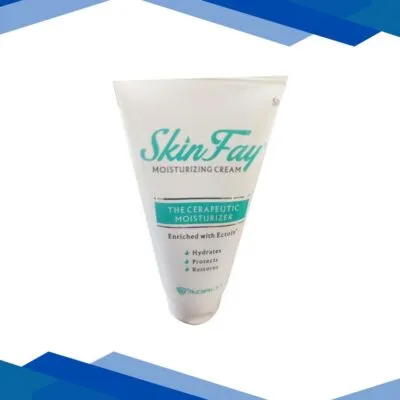
SKINFAY MOISTURIZING Cream 50gm

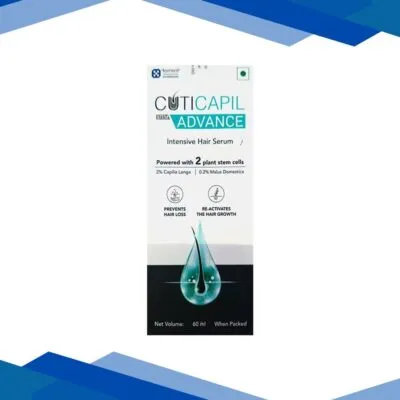
CUTICAPIL STEM ADVANCE INTENSIVE HAIR Serum 60ml
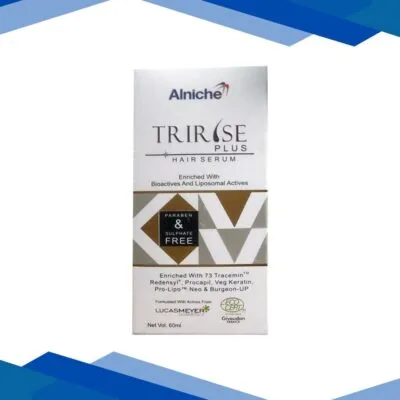
TRIRISE PLUS HAIR Serum 60ml
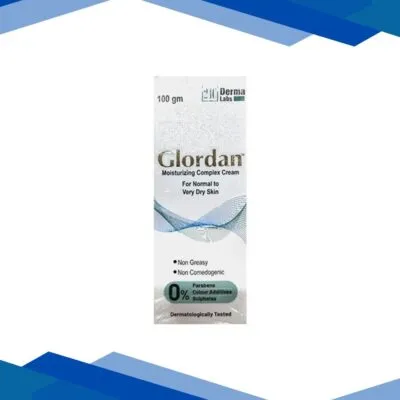
GLORDAN MOISTURIZING COMPLEX Cream 100g
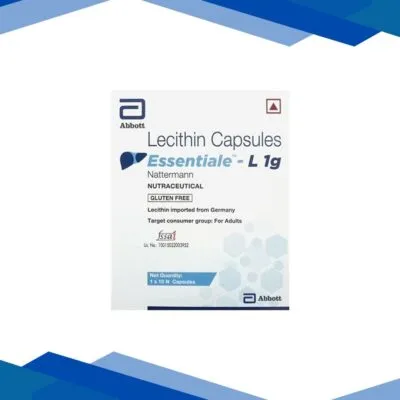
ESSENTIALE L GLUTEN FREE 1g Capsule 10’s
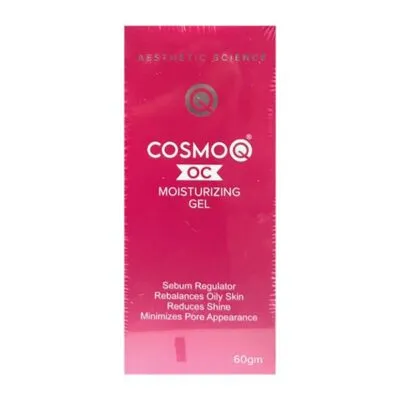
COSMO Q OC MOISTURIZING Gel 60gm
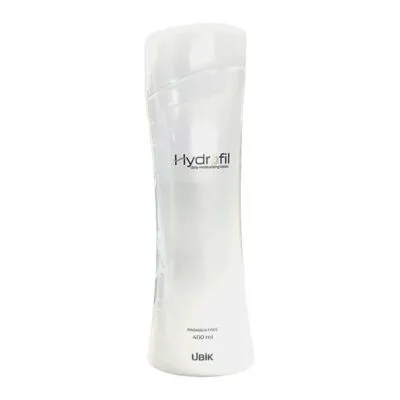
HYDROFIL DAILY MOISTURIZING Lotion 400ml
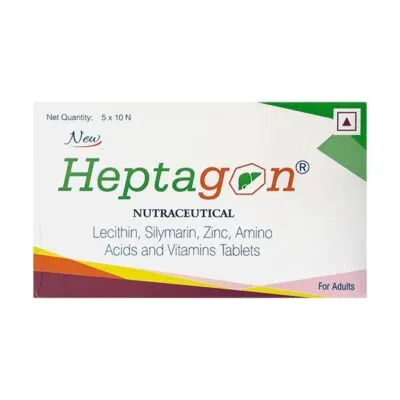
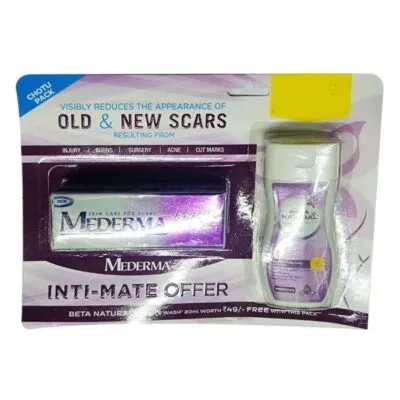
MEDERMA NEW ADVANCED PLUS SCAR (INTI-MATE OFFER) Gel 5gm
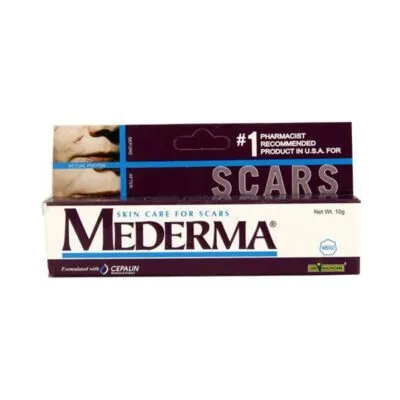
Lecithin: Overview, Uses, and Side Effects
Lecithin is a naturally occurring, fatty substance known as a phospholipid. It was originally isolated from egg yolks, but today it is widely extracted from a variety of natural sources, including soybeans, sunflower seeds, rapeseed (canola), and animal fats.
Chemically, lecithin is a rich mixture of phospholipids, most notably phosphatidylcholine, along with essential fatty acids and choline. In both food and human biology, lecithin acts as a powerful emulsifier. Because it contains elements that attract both water and fats, it allows substances that normally repel each other (like oil and water) to mix smoothly and stay chemically stable. Inside the human body, it serves as a structural component of cellular membranes and acts as a metabolic precursor for vital neurotransmitters.
Key Benefits & Uses
Physicians, nutritionists, and food scientists utilize lecithin across several therapeutic and manufacturing areas:
-
Supporting Cognitive & Brain Health: Lecithin is a rich dietary source of choline, which your brain directly converts into acetylcholine—a vital neurotransmitter responsible for memory, focus, muscle control, and natural cognitive processing.
-
Aiding Cholesterol & Liver Metabolism: Helping to emulsify systemic fats, which can support the liver in breaking down cholesterol and preventing the unhealthy accumulation of fats within hepatic tissues (fatty liver support).
-
Clogging Prevention in Nursing Mothers: Often recommended off-label by lactation consultants to help breastfeeding mothers prevent recurrent plugged milk ducts by lowering the viscosity (thickness) of breast milk.
-
Premium Culinary & Pharmaceutical Stabilizer: Extensively used in the food industry to give items like chocolates, baked goods, and dressings a smooth, uniform texture. In pharmaceuticals, it is used to hold active ingredients together in stable emulsions.
How to Take Lecithin Correctly
-
Identify Your Supplement Form: Lecithin is widely available over the counter as softgel capsules, liquid oil, or dry granules. Granules can be sprinkled directly onto food, mixed into oatmeal, or blended into smoothies.
-
Take with Meals: For optimal digestive comfort and absorption, consume your lecithin supplement alongside a meal.
-
Match the Source to Your Diet: If you have specific dietary choices or restrictions, check the source material carefully. Soy-derived lecithin is standard, but individuals looking to avoid soy or genetically modified crops (GMOs) frequently opt for sunflower lecithin.
Safety Advice & Vital Precautions
| Category | Guidance |
| Allergy Alerts | Crucial Caution. If you have a severe allergy to soy or eggs, verify the origin of your lecithin. While highly purified soy lecithin lacks most allergenic proteins, individuals with extreme sensitivities should stick strictly to sunflower lecithin. |
| Blood Thinner Interactions | Lecithin naturally contains small amounts of Vitamin K, which aids in blood clotting. If you are taking prescription blood thinners like Warfarin, discuss your lecithin intake with your doctor to prevent medication interference. |
| Pregnancy & Nursing | Lecithin is naturally present in breast milk and is highly safe for nutritional use. However, if you are using high therapeutic doses to treat a plugged milk duct while breastfeeding, ensure the dosage is cleared by your OB/GYN or lactation consultant. |
Common Side Effects
Lecithin holds an exceptionally high safety profile and is classified by global food authorities as Generally Recognized as Safe (GRAS). However, taking large doses can occasionally lead to minor digestive adjustments:
-
Mild stomach upset, abdominal bloating, or nausea
-
Loose stools or temporary diarrhea
-
An increase in salivation
-
A temporary decrease in appetite
When to speak with your doctor: Discontinue use if you experience persistent digestive pain, a sudden skin rash, or lightheadedness, which could indicate a mild allergic reaction to the supplement’s sourcing.
Frequently Asked Questions (FAQs)
Q: What is the main difference between Soy Lecithin and Sunflower Lecithin?
Chemically and functionally, they perform almost identically in the body. The main differences lie in extraction and allergy profiles. Soy lecithin is often extracted utilizing chemical solvents (like hexane) and is usually derived from crops that may be genetically modified. Sunflower lecithin is typically extracted using a gentle, solvent-free cold-pressing method, is inherently non-GMO, and carries zero risk for individuals with soy allergies, making it a highly popular premium alternative.
Q: Can taking lecithin supplements instantly cure high cholesterol?
No. While clinical studies suggest that lecithin can assist your body’s natural fat emulsification and support healthy lipid profiles, it is not a standalone cure or a replacement for prescription cholesterol-lowering medications (like statins). It should be viewed as a supportive, natural dietary addition paired with a balanced diet and regular exercise under medical guidance.
Q: What should I do if I miss a scheduled daily dose?
Lecithin is a dietary supplement rather than a rigid, time-sensitive medical prescription. If you miss a dose, simply take it when you remember with your next meal. If it is already close to the time for your next scheduled dose, skip the missed one entirely and resume your normal routine. Do not take a double dose to compensate.
Q: Why is lecithin listed as an inactive ingredient on my food and chocolate labels?
In products like chocolate, cocoa butter and solid cocoa tend to separate naturally. Food manufacturers add a tiny fraction of lecithin to act as a natural binder, holding the fats and solids together to give the chocolate its signature smooth, glossy appearance and creamy “melt-in-your-mouth” texture. The amount used as a food additive is very small and perfectly safe.
Disclaimer: The nutritional, metabolic, and clinical insights provided on this page are intended strictly for general educational purposes. They cannot replace a personalized, professional medical consultation, diagnosis, or treatment plan from a certified physician, hepatologist, or nutritionist. Always consult your doctor before beginning a new dietary supplement routine.