
Showing the single result
Filter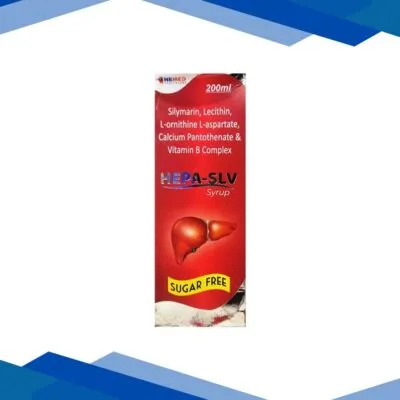
HEPA SLV SUGAR FREE Syrup 200ml
L-Ornithine-L-Aspartate & Niacinamide: Hepatic Aid and Metabolic Health
L-Ornithine-L-Aspartate (LOLA) and Niacinamide are a tailored therapeutic pair designed to sustain liver detoxification and energy metabolism.[3]
LOLA is a stable salt of natural amino acids that helps in ammonia detoxification by the liver, while Niacinamide supplies an essential enzyme cofactor for tissue repair and is involved in maintaining cellular ATP levels. This synergy of amino acids and Vitamin B3 (Niacinamide) is frequently used in individuals with chronic liver disease, fatty liver, and during recovery from metabolic stress.
Fast Facts
Primary Indications: Adjunctive therapy in chronic liver disease, Hepatic Encephalopathy, nonalcoholic fatty liver disease (NAFLD), and liver support during nutritional maintenance.
Drug Class: Amino Acid Complex / Vitamin (B-Complex).
Principal Functions: Ammonia detoxification and production of cellular energy.
Forms Available: Oral tablets, sachets (granules), and injectable solutions.
How Does Its Dual Mechanism Work?
They act in tandem to synergistically shield and revitalize liver function:
Ammonia Disposal (The Urea Cycle): This combination acts as a metabolic fuel to enhance the liver’s ability to convert ammonia into urea, which is then excreted via the kidneys—helping reduce fatigue, confusion, and brain fog.
Glutamine Production: It increases glutamine levels, which further assists in neutralizing ammonia in both the brain and muscle tissues.
Tissue Regeneration and Energy: Niacinamide contributes to the formation of NAD+ and NADP+, essential for DNA repair, protein metabolism, and fat metabolism, thereby supporting liver regeneration and reducing oxidative stress.
Fatty Acid Metabolism: Niacinamide also helps regulate lipid metabolism, improving the liver’s efficiency in processing fats.
Prescription Notes and Indicative Usage
These should be followed carefully for optimal outcomes:
With/After Food: Taking the supplement after meals improves absorption and reduces gastrointestinal discomfort.
Hydration: Adequate fluid intake supports kidney function in eliminating toxins efficiently.
Consistency is Key: Liver recovery is gradual—taking the medication at the same time daily as prescribed by your hepatologist or gastroenterologist is essential.
Warnings and Precautions
This combination is generally well tolerated, but caution is necessary in certain conditions:
Common Possible Reactions
Mild gastrointestinal discomfort: such as nausea or bloating during initial use.
Gradual improvement: in mental clarity and energy levels.
Warm sensation or flushing: occasionally due to Niacinamide.
Important Precautions
Renal Function: Use cautiously in patients with kidney impairment, as increased urea production may burden renal pathways.
Diabetes: Niacinamide may affect blood glucose levels slightly—monitor levels if diabetic.
Pregnancy and Breastfeeding: Safety data is limited; use only if prescribed by a physician after risk–benefit evaluation.
Frequently Asked Questions (FAQs)
1. What are the therapeutic uses of L-Ornithine-L-Aspartate in liver disease?
In liver disorders, impaired detoxification leads to ammonia accumulation, which can cause hepatic encephalopathy (confusion, tremors). LOLA enhances the liver’s ability to eliminate ammonia effectively.
2. Can this combination help my “fatty liver”?
Yes. By supporting the urea cycle and improving fat metabolism, this combination may help reduce liver stress and support recovery in NAFLD.
3. Will this medicine help reduce my tiredness?
Yes. By lowering toxic ammonia levels and boosting cellular energy production, many patients experience improved energy and reduced fatigue over time.
4. Are there any foods I should avoid while taking this medicine?
For optimal liver health, it is advised to limit alcohol, reduce processed fats and sugars, and follow any protein restrictions recommended by your doctor (especially in high ammonia states).
5. For how long should someone take this medication?
Duration depends on the underlying liver condition. It may range from short-term use in acute cases to long-term therapy for chronic liver support. Always follow your healthcare provider’s guidance.