
Showing 1–20 of 81 resultsSorted by popularity
Filter

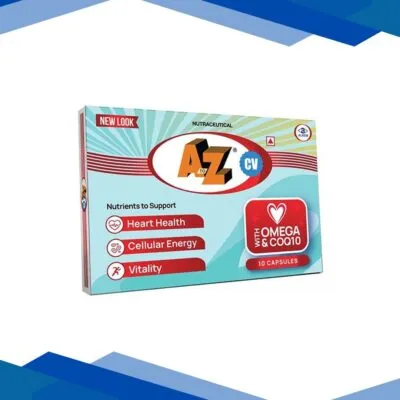
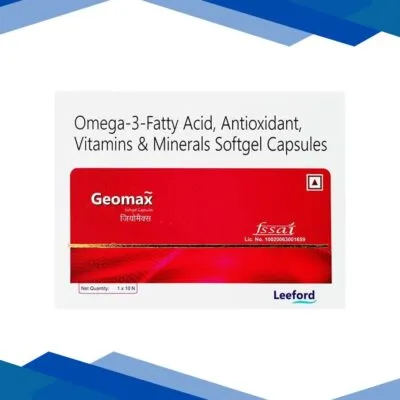

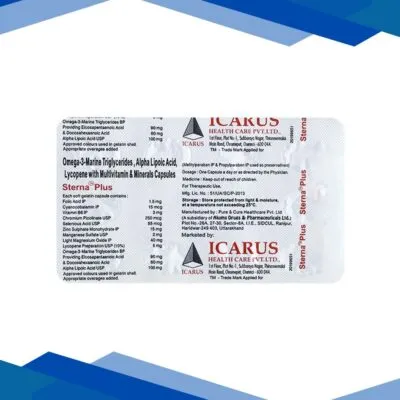
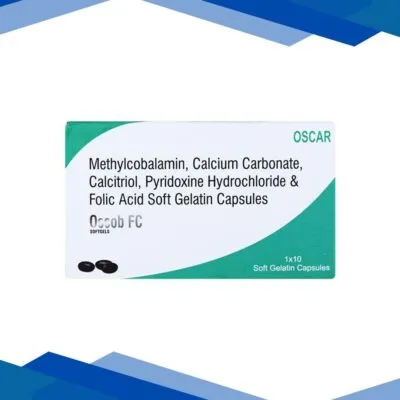


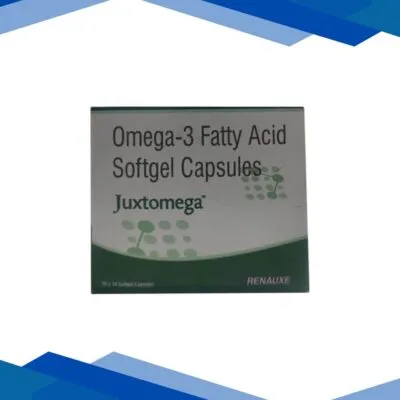
JUXTOMEGA Softgel Capsule 10’s
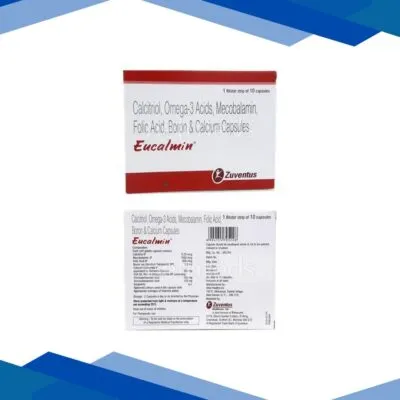

Harty D Light Capsule 10’S
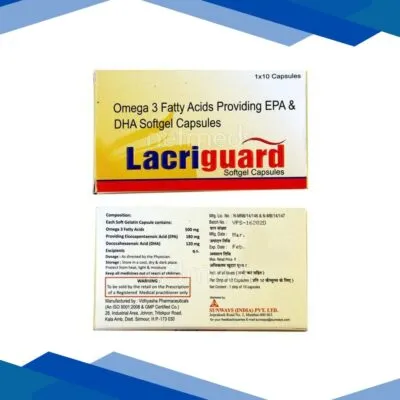


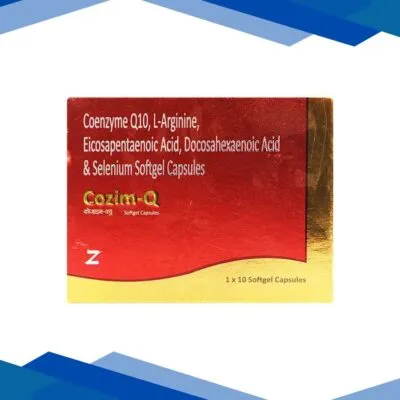

DEXOMEGA Softgel 30’s
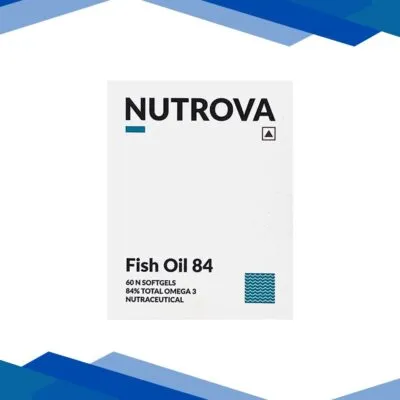
NUTROVA FISH OIL 84 Softgel 4X15’s

4 SURE Softgel Capsule 10’s

EPA Selected Affirmation on Heart and Joint Health
Eicosapentaenoic Acid (EPA) is one of the very important long-chain Omega-3 polyunsaturated fatty acids, which is naturally found in cold-water fatty fish and used tremendously in concentrated pharmaceutical and supplement forms for systemic inflammation and cardiovascular health. Compared to DHA, which is used mainly for brain structure, EPA is called as “anti-inflammatory” Omega-3, and it is a direct precursor to signaling molecules that help the body resolve inflammation, making it the cornerstone in treating high triglycerides and chronic joint discomfort.
Therapeutic Indications
Cardiovascular Support: Efficiently lowers elevated blood triglycerides, decreasing risk of arterial plaque formation.
Inflammatory Management: Alleviates symptoms of rheumatoid arthritis and other inflammatory joint conditions by reducing stiffness and swelling.
Mental Well-being: Some emerging research suggests EPA’s usefulness in managing mood disorders by reducing neuro-inflammation.
Vascular Health: Improves blood vessels’ elasticity and ensures healthy blood flow.
How EPA Works in the Body
EPA competes with arachidonic acid (an Omega-6 fatty acid) for space in our cell membranes, thereby shifting the production of the body away from pro-inflammatory “series-2” prostaglandins toward anti-inflammatory “series-3” prostaglandins. This is an important biochemical shift working against the “fire” of inflammation throughout the body’s systems.
Dosage & Usage Guidelines
For General Health: An intake of 250 mg to 500 mg of combined EPA and DHA is usually recommended as daily intake for healthy adults.
For High Triglycerides: High clinical dosages are indeed very high, often in the range of 2 g to 4 g on a daily basis, and are used only under strict medical supervision. It is fat-soluble; therefore, it should be taken with the meal immediately after fatty foods to ensure better absorption and lessen the fishy aftertaste.
Safety & Monitoring Checklist
Category | Advice & Guidelines
Blood Thinners Use with caution. EPA can have a mild blood-thinning effect. Tell the doctor before starting with high doses if you are already on Warfarin or Clopidogrel.
Surgery It is generally recommended to stop high-dose EPA supplementation at least 2 weeks prior to any scheduled surgery in order to minimize bleeding risks.
Seafood Allergy People with severe fish or shellfish allergies are advised to obtain EPA sources from algae so as to avoid any potential allergic response or reactions.
Purity Make sure your source of EPA is molecularly distilled to remove heavy metals such as mercury and lead.
Possible Side Effects
EPA in general is very well-tolerated. Minor side effects may motion:
Fishy burps or a metallic taste in your mouth.
Mild indigestion or loose stools.
Occasional nausea if taken on an empty stomach.
Frequently Asked Questions (FAQs)
What is standard fish oil just the same as EPA?
Not really. Standard fish oil is a mixture of various fatty acids including both EPA and DHA. In contrast, a specialty EPA supplement would be “EPA-dominant,” implying that the supplement has been further concentrated to give very specific anti-inflammatory and triglyceride-lowering effects from those that normal fish oil would have in the same quantity.
How long would it take to see [sic] changes in triglyceride content?
This usually is visible at a substantial level in about 8–12 weeks of decent therapeutic doses. It will be essential to keep the blood tests going periodically to scrutinize advances being made.
3. Can EPA do anything for someone with dry eyes?
By controlling the inflammation in the oil-producing glands of the eyelid, studies have indicated that EPA improves tear film quality. Therefore, helping people suffering from chronic dry eye syndrome will get sighs of relief.
4. I just learned that EPA is good for the heart. Which one should I take, DHA or EPA?
Thus, both are good. EPA seems to be well written up for the lowering of triglycerides and stabilization of arterial plaques. Again, DHA, in particular, for both brain and eye deficiencies. Most likes kind of a balanced approach, though since high-EPA preparations were taking part in treating some cannot get amended pathological conditions, some heart pumps might get offered to those dealing particularly with cardiovascular temperaments or lipidations.
5. Can I Get Enough EPA From Eating Fish?
Getting a broad assortment of fish (such as salmon and mackerel) two times a week is a good rule of thumb for overall wellness. However, to reach more abnormal “therapeutic” levels necessary to treat conditions such as hypertriglyceridemia, someone must normally supplement, particularly for avoiding excessive caloric or heavy metal intake from consumption of extremely large amounts of fish.