
Showing all 2 resultsSorted by popularity
Filter
Prothiaden M 75mg/1500mcg Tablet 15’S
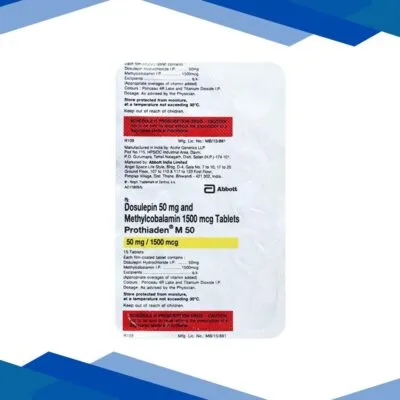
Prothiaden M 50mg/1500mcg Tablet 15’S
Dosulepin: Overview, Uses, and Side Effects
Dosulepin Hydrochloride (formerly known as Dothiepin) is a prescription medication belonging to the tricyclic antidepressant (TCA) class. It works by regulating and increasing the levels of specific chemical messengers—namely norepinephrine and serotonin—in the brain.
By altering these natural chemicals, Dosulepin helps elevate mood, reduce anxiety, and improve overall energy levels. Because it possesses strong sedative properties, it is particularly useful for managing depressive illnesses where sleep disturbances or severe anxiety are major factors.
Key Benefits & Uses
Mental health professionals typically prescribe Dosulepin for specific clinical scenarios:
-
Major Depressive Disorder (MDD): Especially in cases where a patient suffers from significant anxiety, restlessness, or agitation alongside low mood.
-
Severe Insomnia Related to Depression: Helping patients who struggle to fall asleep or stay asleep due to constant, racing depressive thoughts.
-
Chronic Pain Management: In certain specialized cases, it may be used off-label to help manage chronic nerve pain or fibromyalgia.
How to Take Dosulepin Safely
-
Evening Dosing: Because Dosulepin can cause significant drowsiness, it is usually prescribed to be taken as a single dose at night, just before bedtime.
-
Consistency Matters: Take your medication at the exact same time every evening. It can be taken with or without food, but taking it with a glass of water is recommended.
-
Be Patient: Do not expect a sudden change overnight. While the sleep-inducing benefits can happen within the first few days, it generally takes 2 to 4 weeks of consistent use to notice a distinct lift in your mood.
-
Do Not Stop Abruptly: Stopping Dosulepin suddenly can trigger withdrawal symptoms like nausea, headaches, vivid dreams, and severe anxiety. Your doctor will provide a slow, gradual tapering schedule when it is time to discontinue the medication.
Safety Advice & Vital Precautions
| Category | Guidance |
| Heart Conditions | Crucial Caution. Dosulepin can affect heart rhythms. It should not be used by anyone recovering from a recent heart attack or those with pre-existing heart blocks or arrhythmias. |
| Alcohol Interaction | Strictly Avoid. Mixing alcohol with Dosulepin heavily multiplies the sedative effects, leading to dangerous drowsiness, respiratory depression, and confusion. |
| Pregnancy & Nursing | Consult your psychiatrist immediately if you are pregnant or breastfeeding. It is generally not recommended unless the clinical benefit clearly outweighs the risk to the baby. |
| Alertness & Driving | Expect significant drowsiness, especially during the first few weeks of treatment. Avoid driving, cycling, or operating machinery until you know exactly how the drug impacts your alertness. |
Common Side Effects
As your body adjusts to a tricyclic antidepressant, you may experience temporary “anticholinergic” effects:
-
Dry mouth and increased thirst
-
Drowsiness, fatigue, or vivid dreams
-
Constipation or mild stomach upset
-
Blurred vision or temporary dizziness when standing up quickly
-
Increased appetite or mild weight gain
When to seek immediate emergency care: Contact your healthcare provider or emergency services right away if you experience chest pain, a rapidly pounding or irregular heartbeat, difficulty urinating, severe dizziness, or a sudden worsening of suicidal thoughts or self-harm impulses.
Frequently Asked Questions (FAQs)
Q: Why is my doctor prescribing Dosulepin instead of a newer antidepressant like an SSRI?
While newer medications like SSRIs (e.g., Fluoxetine or Sertraline) are often first-line choices, they don’t work for everyone. If a patient experiences severe anxiety, agitation, or profound insomnia alongside their depression, your doctor may select Dosulepin specifically because its sedative properties address those symptoms simultaneously.
Q: What should I do if I forget to take my nightly dose?
If you remember before going to sleep, take it immediately. If you realize the next morning, skip the missed dose completely and take your regular dose at your normal bedtime that evening. Never take a double dose to compensate for a forgotten one, as this can lead to severe drowsiness or heart complications.
Q: Can I take over-the-counter allergy or cold medicines with Dosulepin?
You must always check with your pharmacist or doctor first. Many over-the-counter cold, flu, and allergy medications contain antihistamines or decongestants that can interact with Dosulepin, drastically increasing dry mouth, blurred vision, drowsiness, or blood pressure.
Q: Does Dosulepin cause dependency or addiction?
Dosulepin is not a narcotic and is not considered addictive in the traditional sense. However, your body does adjust to its presence over time. If you stop taking it suddenly, you may experience physical discontinuation symptoms. This is why a structured, medically supervised tapering plan is always required.
Disclaimer: The mental health and clinical insights provided on this page are strictly for general educational purposes. They cannot replace a personalized, one-on-one professional consultation, diagnosis, or treatment plan from a certified psychiatrist or physician. Always speak directly with your doctor before starting or changing any prescription routine.