
Showing 1–20 of 151 resultsSorted by popularity
Filter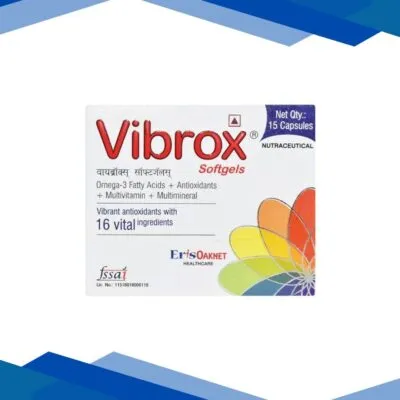
Vibrox Softgel Capsule 15’S

PROTILAB ADVANCE KESAR BADAM FLAVOUR Powder 200g



Calibrain D Delicious Mango Flavour suspension 200ml
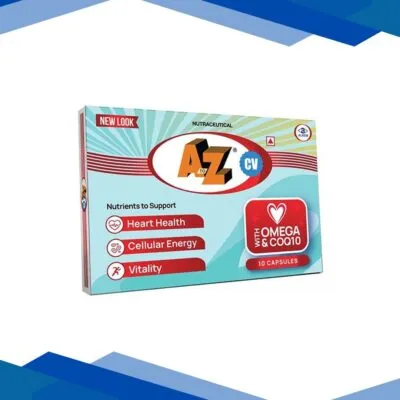


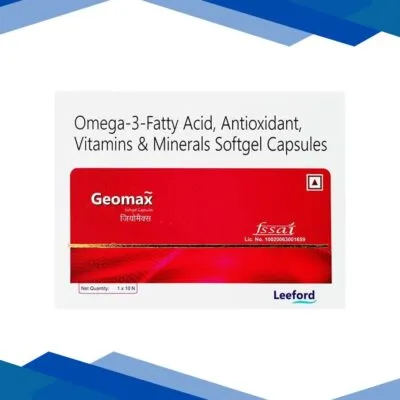


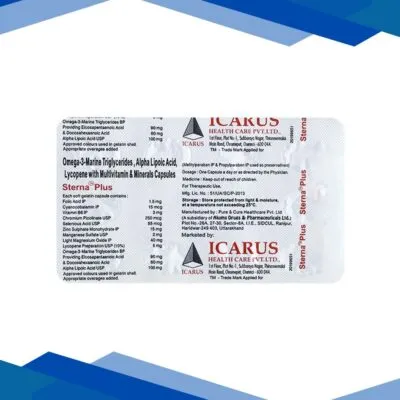


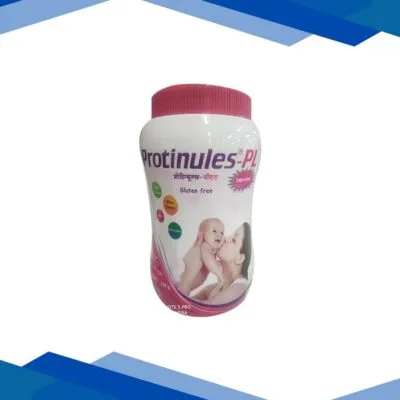
PROTINULES PL GLUTEN FREE ELAICHI FLAVOUR Powder 200gm

LAMINO SHE VANILLA FLAVOUR Diskettes 40’s

BEENS MOM NO ADDED SUCROSE VANILLA Powder 200gm

JUXTOMEGA Softgel Capsule 10’s
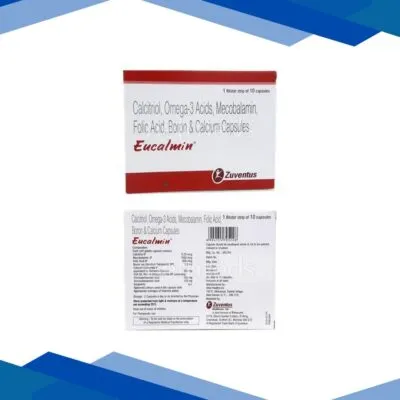
Docosahexaenoic Acid (DHA): Overview, Uses, and Side Effects
Docosahexaenoic Acid (DHA) is an essential, long-chain omega-3 polyunsaturated fatty acid. It serves as a primary structural building block for the human body, heavily concentrated in the cerebral cortex of the brain, the retina of the eyes, and sperm cells.
Since the body can only synthesize very trace amounts of DHA from other plant-based fats, it must be regularly obtained through diet or specialized nutritional supplements. DHA is vital for maintaining the structural fluidity of cellular membranes, ensuring sharp intercellular communication and supporting overall metabolic health.
Key Benefits & Uses
DHA supplements are widely recommended by medical experts across various stages of life to support critical systemic functions:
-
Fetal and Infant Development: Highly vital during pregnancy (especially the third trimester) and lactation, as it directly drives the rapid growth of the baby’s brain, nervous system, and vision.
-
Cardiovascular Support: Helps manage healthy lipid levels by reducing blood triglycerides, improving blood circulation, and lowering long-term risks of chronic heart diseases.
-
Cognitive Maintenance: Supports long-term brain health and neurotransmitter function, aiding memory retention and reducing the severity of age-related mental decline.
-
Retinal Health: Protects the structural integrity of the eyes and supports the optimal functioning of photoreceptor cells, helping prevent premature macular degeneration.
How to Take DHA Supplements Correctly
-
Take with Food: Always consume your DHA soft gels or capsules with a fat-containing meal. Dietary fats stimulate the release of digestive enzymes, which drastically enhances the absorption rate of omega-3s.
-
Swallow Whole: Swallow the capsule as a whole with a glass of water. Do not puncture, chew, or crush the capsule, as fish-oil derived DHA has a strong taste that can cause immediate nausea.
-
Watch the Dosage: Stick strictly to the daily dosage recommended by your doctor. Consuming more than 3 grams of combined omega-3 fatty acids per day from supplements is generally not advised without medical supervision.
Safety Advice & Expert Precautions
| Category | Guidance |
| Allergies | Important: If your DHA supplement is derived from fish or krill oils, do not consume it if you have a known hypersensitivity to fish or shellfish. Look for algal-derived DHA if you need a vegan option. |
| Bleeding Risks | DHA has natural, mild blood-thinning properties. If you take anticoagulants (like warfarin) or have a scheduled surgery, consult your doctor to prevent prolonged bleeding risks. |
| Pregnancy & Postnatal | DHA is a standard, highly recommended prenatal supplement. However, always consult your obstetrician to choose the appropriate dosage tailored to your trimesters. |
| Diabetes Control | High doses of DHA can occasionally cause minor fluctuations in blood glucose levels. If you have type 2 diabetes, monitor your blood sugar regularly during the initial weeks. |
Common Side Effects
DHA is an exceptionally safe nutritional compound, but some mild gastrointestinal adjustments can happen:
-
Fishy aftertaste or mild belching (burping)
-
Stomach discomfort, bloating, or indigestion
-
Mild diarrhea or loose stools
-
Nausea or a feeling of heaviness in the stomach
Handy Tip: If you frequently experience fishy burps, try taking your DHA capsule right before your largest meal or store the capsules in the refrigerator to minimize the odor.
Frequently Asked Questions (FAQs)
Q: Is DHA the same as EPA or regular fish oil?
Not exactly. Fish oil contains two distinct types of omega-3 fatty acids: DHA and EPA (Eicosapentaenoic Acid). While EPA is highly specialized in cooling down bodily inflammation and supporting heart blood vessels, DHA is the primary structural component that builds your brain tissue and retinal cells in the eyes.
Q: Can vegetarians and vegans take DHA?
Yes, absolutely. While traditional DHA supplements are extracted from deep-sea cold-water fish like salmon and mackerel, the fish actually get their omega-3s by eating marine algae. Vegan-friendly DHA supplements are sourced directly from cultivated microalgae (Algal Oil), offering identical nutritional benefits without any fishy smell or aftertaste.
Q: Can I stop taking DHA supplements once my diet improves?
If you regularly consume 2 to 3 servings of fatty fish or fortified foods every week, your body may get sufficient DHA naturally. However, for pregnant women, strict vegetarians, or individuals managing high triglycerides, long-term daily supplementation is often necessary to sustain required therapeutic levels.
Q: Will DHA help improve my child’s attention span or school performance?
DHA is structurally essential for a child’s ongoing brain development. While it ensures that the physical neural pathways are healthy and functioning optimally, it is a nutritional supplement rather than a quick cure for behavioral issues like ADHD. Balanced nutrition over a prolonged period provides the best support for a child’s cognitive learning skills.
Disclaimer: The health and nutritional insights provided on this page are strictly for educational purposes and cannot replace professional medical advice or a clinical evaluation. Always speak directly with a certified healthcare professional before starting any new dietary supplement routine.