Showing the single result
Filter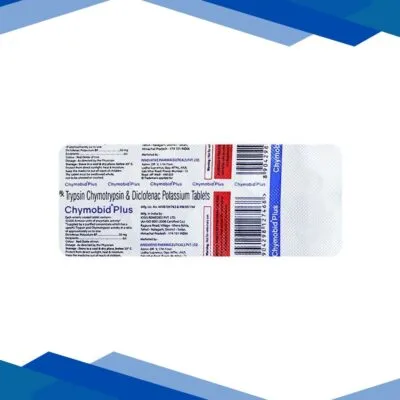
Diclofenac + Trypsin-Chymotrypsin Tablets: Uses, Side Effects, Cost, and Alternatives
Diclofenac + Trypsin-Chymotrypsin is a strong dual-purpose anti-inflammatory, pain controlling, and proteolytic enzyme blend. It is commonly given by orthopedic doctors, surgeons, and general physicians to help with tough pain, acute swelling, and tissue edema after bone, joint, or post-surgical trauma.
When you pair a trusted NSAID (non-steroidal anti-inflammatory drug) with cooperating tissue-repair enzymes, the whole mix can speed up recuperation and bring back movement more quickly.
Ingredients , and how it works
After trauma or an operation, the body ramps up an inflammatory process that often leads to intense pain, localized warmth, and fluid buildup (edema), which then slows healing. This medicine takes on the problem from two different directions:
Diclofenac (NSAID)
Diclofenac blocks the cyclooxygenase, COX-2 enzymes. That pause reduces prostaglandins, which are chemical messengers that drive pain, swelling and even localized heat at the injured site.
Trypsin-Chymotrypsin (proteolytic enzymes)
These enzymes naturally target odd, aged protein structures (like fibrin clumps) that gather around damaged tissues. Once cleared, they:
- improve regional blood flow and lymphatic drainage
- help fluid trapped in tissues be reabsorbed, which lowers swelling
- help the medicines, including Diclofenac, reach deeper into the affected area
Common medical uses and likely benefits
Post-operative recovery: helps reduce swelling, post procedure scar edema, and deep tissue pain after major surgeries or dental work.
Orthopedic trauma: used for painful inflammatory situations such as fractures, sprains, strains, and more intense sports injuries.
Joint flare-ups: helps with sudden painful episodes seen in Rheumatoid Arthritis, Osteoarthritis, Spondylitis, and lower back pain.
Pelvic Inflammatory Disease (PID): sometimes used alongside other care to reduce swelling and pain in more severe gynecological infections.
How to take it, dosage, and timing
Empty stomach approach
For the best enzyme performance, take the tablet ideally on an empty stomach, around 30 minutes to 1 hour before meals. If taken with food, the enzymes may focus on digesting meal proteins rather than addressing tissue injury.
Do not crush or break
Swallow the tablet whole with a good amount of water. Do not chew, break, or crush it, since many versions have an enteric layer meant to protect enzymes from stomach acid.
Keep hydrated
Drink enough water through the day while using this medicine, to support smoother enzymatic activity.
Possible side effects
Many people tolerate it well, still it’s smart to watch for how your stomach handles the combination.
Mild side effects
- mild stomach discomfort, bloating, or flatulence
- nausea, indigestion, or occasional diarrhea
- skin rash or mild itching
- stool color or texture changes for a short time
Serious side effects: stop and call your doctor right away
- Stomach or bowel bleeding: black tarry stool, or vomiting liquid that looks like coffee grounds
- Severe allergy: sudden tongue, face, or throat swelling, or serious breathing trouble
- Kidney or liver stress: dark urine without reason, intense tiredness, or swelling around the feet and lower legs
Important safety notes and precautions
Parameter | Clinical status | Suggested action
Stomach ulcers | ❌ Strictly contraindicated
Do not use if you have an active peptic ulcer, severe GI bleeding, or ongoing inflammatory bowel disease.
Heart and kidney care | ⚠️ Use high caution
Long NSAID use can raise blood pressure and stress the kidneys. Use the smallest dose that works, for the shortest possible time.
Pregnancy | ❌ Not recommended
Avoid use especially in the third trimester, because Diclofenac may lead to early closing of the fetal ductus arteriosus.
Bleeding disorders | ⚠️ Added risk
Proteolytic enzymes can influence clotting behavior a little. Use caution if you’re taking blood thinners such as Warfarin.
FAQs
Q1: Why is it advised to take this on an empty stomach?
Because it contains Trypsin-Chymotrypsin enzymes. If taken with food, those enzymes can bind to proteins in your meal to digest them first. That can reduce their ability to absorb into the bloodstream and help clear inflammation and swelling in injured joints or tissues.
Q2: How long until Diclofenac + Trypsin-Chymotrypsin starts working?
Diclofenac pain relief often starts within 30 to 60 minutes. The clearer drop in deep swelling and fluid accumulation linked to the enzymes may take about 48 to 72 hours of consistent dosing to be fully noticeable.
Q3: Can someone with asthma take this safely?
Caution is required. NSAIDs like Diclofenac can trigger aspirin-sensitive asthma, or bronchospasm, in some people. If you have asthma history, nasal polyps, or severe seasonal allergies, tell your physician before starting.
Q4: What if I have surgery coming up?
Talk to your surgeon first. Since Trypsin-Chymotrypsin relates to breakdown of cellular debris and can slightly affect clotting factors, your surgical team may advise stopping it, or any enzyme + NSAID mixture, a few days before the procedure.
Q5: Can I drink alcohol while using it?
Avoid alcohol. Alcohol and Diclofenac both irritate the stomach lining, and together they can increase the chance of gastric ulcers, strong stomach pain, or internal bleeding.