
Showing the single result
Filter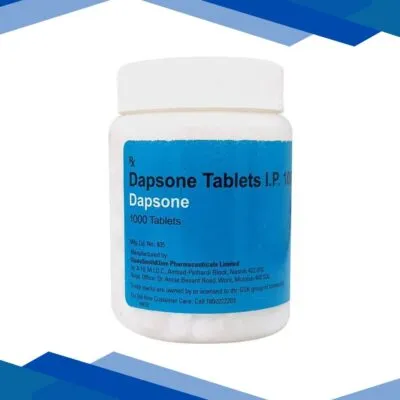
Dapsone 100mg Tablet 1000’S
Dapsone 50 mg / 100 mg Tablet
Dapsone is a strong anti-infective and anti-inflammatory medicine, it is in the sulfone drug group. It is very often used for a bunch of difficult skin and infectious problems, going from intense long-term blistering dermatoses, to leprosy and also certain opportunistic respiratory infections, especially in people with weakened immune systems.
Therapeutic Class: Leprostatics / Anti-infectives / Sulfones
Active Ingredient: Dapsone USP
Strengths: 50 mg and 100 mg Tablets
Rx Status: Strictly Schedule H (Rx Required)
Primary Uses and Clinical Benefits
1. Dermatitis Herpetiformis Treatment
Dapsone is typically considered the main first-line approach for Dermatitis Herpetiformis, a rare condition with very intense itching and chronic blistering, often connected to celiac disease.
It can bring rashes and that burning feeling under control relatively fast, sometimes within about 48 hours after starting.
2. Multi-Drug Therapy (MDT) for Leprosy
As a key piece of the World Health Organization recommended multi-drug regimen, Dapsone gets used together with other antibiotics, like Rifampicin and Clofazimine.
In this setup it helps treat and cure Hansen’s disease, also called leprosy.
3. Prevention of Pneumocystis Pneumonia (PCP)
For immune-compromised patients, such as people in chemotherapy or individuals living with HIV, who cannot tolerate standard sulfur antibiotics like co-trimoxazole, Dapsone can be a helpful alternative to prevent dangerous Pneumocystis jirovecii lung infections.
Mechanism of Action: How It Works
Dapsone uses a dual approach, so symptoms improve from both angles:
Antimicrobial Action
It works as a competitive antagonist of para-aminobenzoic acid (PABA).
This mechanism interrupts dihydropteroate synthase, which is an enzyme bacteria and protozoa rely on to create folic acid.
Without folic acid, the microorganisms cannot make DNA properly or multiply, so the infection spread slows.
Anti-inflammatory Action
It reduces neutrophil migration (neutrophils being a type of white blood cell) to the inflamed area.
It also limits the release of tissue-damaging lysosomal enzymes. This is a major reason it can calm down severe blistering skin disorders.
Directions for Use and Dosage Guidelines
How to Take It
Take the tablet by mouth, with a full glass of water.
You can take it with food or without food, but taking it with meals can reduce mild stomach upset, for some people.
Dose Parameters
The dose changes a lot based on the condition. For example, 50 mg per day is sometimes used for skin-related conditions, while up to 100 mg daily may be used for certain prevention or infectious plans.
Your prescriber will choose the exact dose after routine blood tests.
Stick With It
Do not miss doses and do not stop the medication early, even if your skin looks better.
Stopping abruptly can trigger a flare badly, or allow infections to come back.
Potential Side Effects
Because Dapsone influences red blood cells and metabolic pathways, medical monitoring is needed, so clinicians can manage the known side effect profile.
Common Side Effects
- Nausea, vomiting, or reduced appetite
- Mild dizziness, headache, or trouble sleeping
- Increased skin sensitivity to sunlight, also called photosensitivity
Serious Side Effects — Contact Healthcare Team Right Away
Anemia and Methemoglobinemia
Shortness of breath, unusual tiredness, pale skin, or a bluish tint on lips, nails, or skin.
These signs can point to low oxygen levels.
Peripheral Neuropathy
Worsening muscle weakness, numbness, or a pins-and-needles type sensation in hands or feet.
Severe Skin Reactions / Dapsone Hypersensitivity Syndrome
Sudden rash with fever, yellow eyes or skin (jaundice), and swollen lymph nodes.
This often shows up in the first 2 to 6 weeks after starting.
Safety Commitments and Key Precautions
| Risk Factor | Clinical Status | Medical Directives and Rationale |
|---|---|---|
| G6PD Deficiency | ❌ Contraindicated | People with a genetic G6PD enzyme deficiency have a very high risk for severe hemolytic anemia, meaning fast destruction of red blood cells. |
| Alcohol | ⚠️ Caution | Try to avoid alcohol, or limit it strictly. Dapsone and alcohol are processed in the liver, so drinking can raise the chance of hepatic stress. |
| Pregnancy | ⚠️ High Caution | Dapsone crosses the placenta. It should be used during pregnancy only when the potential clinical gain clearly outweighs risks for the fetus. Folic acid supplementation is commonly required. |
| Breastfeeding | ❌ Not Recommended | Meaningful amounts can pass into breast milk, and can lead to hemolytic anemia in nursing infants, especially if the baby has G6PD deficiency. |
Frequently Asked Questions (FAQs)
Q. Why does my doctor want regular blood tests while I am on Dapsone?
Dapsone can cause dose-related blood changes, including a mild drop in red blood cells (hemolysis) and a small rise in methemoglobin, which is oxygen-carrying hemoglobin that is less effective.
Baseline and periodic CBC and liver function tests help confirm your body is handling the drug safely, without causing severe anemia.
Q. Can I go outside in the sun normally with this medication?
Dapsone can increase skin sensitivity to ultraviolet (UV) light, so sunburn risk goes up.
It is strongly advised to wear protective clothing, use a broad-spectrum sunscreen with a high SPF, and avoid tanning beds or long direct sun exposure during treatment.
Q. Is Dapsone the same as a typical sulfur antibiotic?
Dapsone is chemically tied to the sulfonamide family, like sulfamethoxazole, and it shares a similar concept for blocking bacterial folic acid.
Still, it belongs to the distinct sulfone class.
If you have a history of severe allergy to sulfur-containing antibiotics, tell your doctor, since cross-sensitivity can happen.
Q. What if my skin starts looking slightly blue or grey while on Dapsone?
If you notice a bluish or grey tint on lips, fingernails, or skin, contact your physician or get medical assessment immediately.
This can be a sign of methemoglobinemia, where blood cells struggle to release oxygen to body tissues.
Your clinician may need to change the dose or check blood oxygen levels.