Showing all 2 resultsSorted by popularity
Filter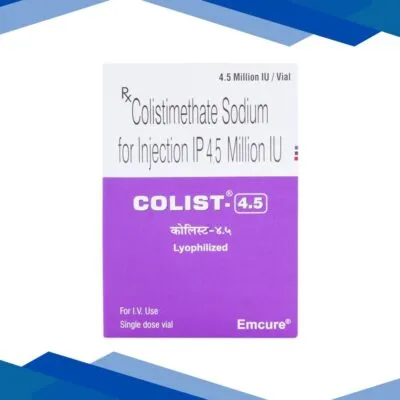
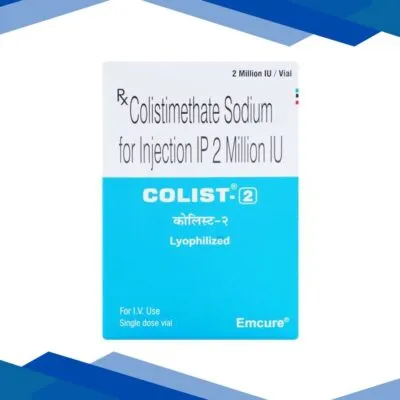
Colistimethate Sodium: Essentials and Patient Guide
Colistimethate Sodium (also known as colistin) is a potent, specialized polypeptide antibiotic belonging to the polymyxin class. It is often a treatment of last resort for exceedingly serious and life-threatening infections, rendering it particularly useful in treating pan-drug resistant infections caused by Gram-negative bacteria. Its mainstay position in medical science lies in its ability to kill infective pathogens that have developed resistance against more common antibiotics.
Some Important Therapeutic Actions
Combats Drug Resistance: It effectively targets resistant strains of Pseudomonas aeruginosa, Acinetobacter baumannii, and Klebsiella pneumoniae.
Control of Systemic Infections: Used in severe conditions such as septicemia (blood poisoning), peritonitis, and serious urinary tract infections.
Respiratory Care in Cystic Fibrosis: Inhaled preparations are used to prevent chronic lung infections in cystic fibrosis patients.
Critical Care Support: Frequently used in hospitals for Gram-negative infections responsible for ventilator-associated pneumonia and meningitis.
Working Action
This is a “prodrug,” meaning it is inactive until converted in the body into its active form, colistin.
Membrane Distortion: Colistin acts like a detergent, binding to the outer membrane of Gram-negative bacteria.
Ion Replacement: It displaces essential ions like Calcium (Ca++) and Magnesium (Mg++) required for bacterial membrane stability.
Cell Lysis: This leads to osmotic imbalance, causing the bacterial cell to rupture and die (bactericidal action).
Usage & Administration
Professional Administration: Usually given in a hospital setting via intravenous (IV) infusion, intramuscular (IM) injection, or nebulization for inhalation.
Calculated Dose: Dosage is precisely determined based on body weight, infection severity, and kidney function.
Monitoring: Regular blood tests are required to monitor kidney function and ensure safe drug levels.
Safety Information & General Precautions
Kidney Health (Nephrotoxicity): The most serious side effect is kidney damage. Maintain adequate hydration (6–8 glasses of water daily) to reduce risk.
Nervous System Effects (Neurotoxicity): High doses may cause dizziness, paresthesia (tingling), confusion, or in rare cases muscle weakness affecting breathing.
Myasthenia Gravis: Generally avoided, as it may worsen muscle weakness in such patients.
Pregnancy & Breastfeeding: Use only after consulting a doctor, as safety data is limited.
Frequently Asked Questions (FAQs)
Q: Why is colistimethate considered a last-resort antibiotic?
A: Due to its potential for nephrotoxicity and neurotoxicity, it is reserved for cases where safer antibiotics are ineffective.
Q: Can I self-administer colistimethate sodium?
A: Generally no. While inhalation therapy may be used at home (especially in cystic fibrosis), injectable forms require strict medical supervision.
Q: What common side effects might I experience?
A: Mild effects may include dizziness, stomach upset, or tingling sensations. Severe symptoms like persistent diarrhea or reduced urine output require immediate medical attention.
Q: Can it interact with other drugs?
A: Yes. It may interact with medications affecting the kidneys (certain antibiotics, painkillers) or muscle relaxants. Always inform your doctor about all medications you are taking.
Q: How long does the treatment last?
A: Duration depends on infection severity and location, typically ranging from a few days to two weeks. Completing the full course is essential to prevent recurrence or resistance.