
Showing 1–20 of 23 resultsSorted by popularity
Filter


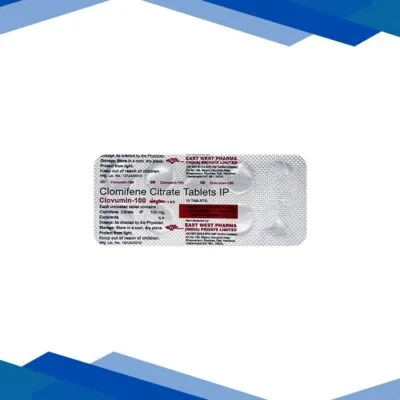
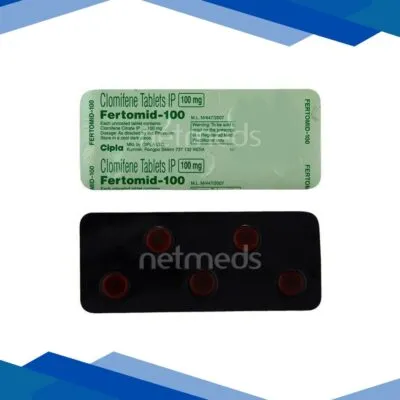
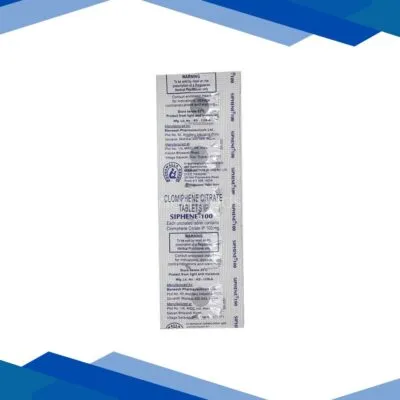
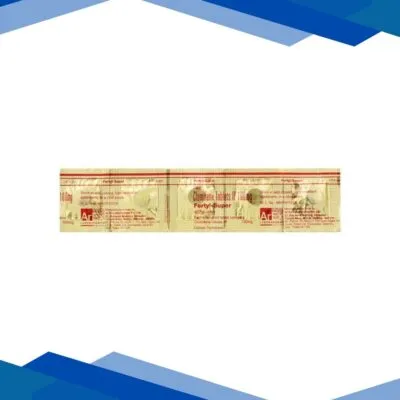
Fertyl Super 100mg Tablet 5’S

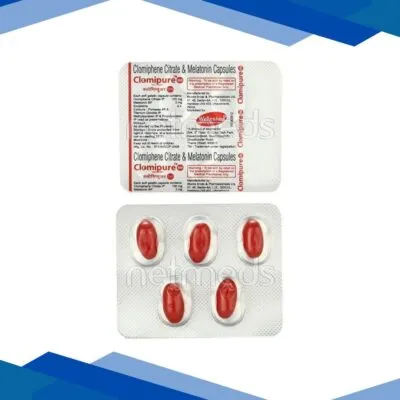
Clomipure 100mg Capsule 5’S
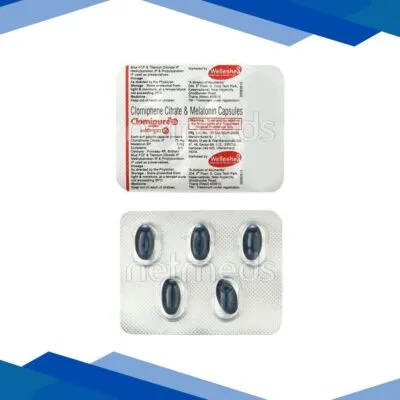
Clomipure 25mg Capsule 5’S

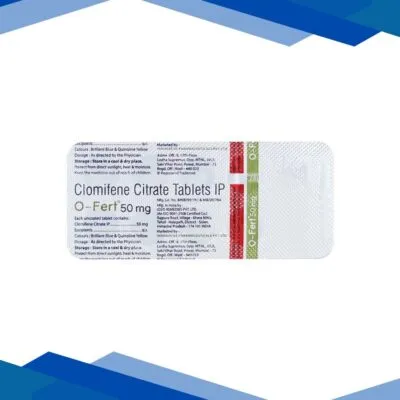
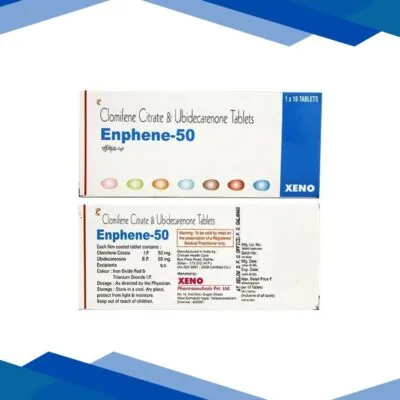
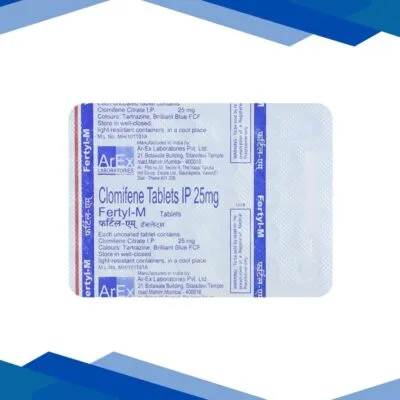
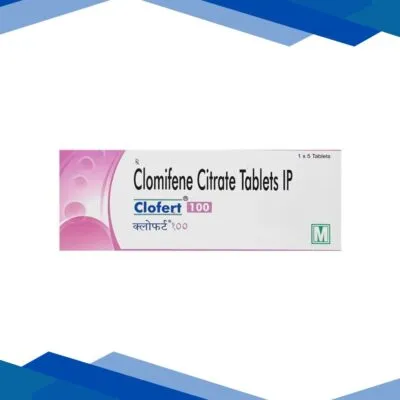
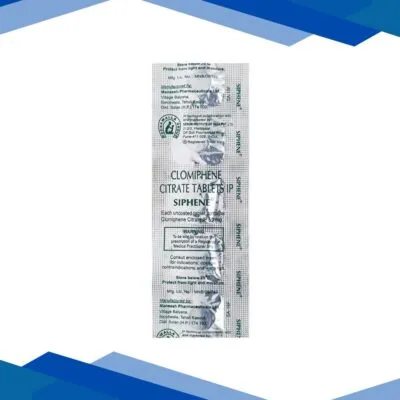
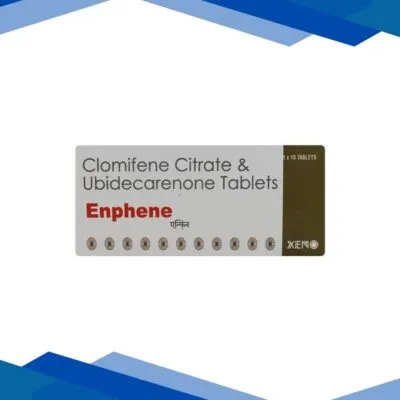
Clomiphene Citrate 50 mg Tablet
Clomiphene Citrate is a trusted non-steroidal oral medication usually prescribed to manage female infertility connected to ovulatory dysfunction, yes it does that. It is widely used as a first step for women diagnosed with Polycystic Ovary Syndrome (PCOS), it nudges the development and release of a mature egg, ovulation happens, and conception becomes possible.
Therapeutic Class: Ovulation Stimulators / Fertility Agents
Pharmacological Class: Selective Estrogen Receptor Modulator (SERM)
Common Strengths: 25 mg, 50 mg, 100 mg
Prescription Required: Yes (Rx Only — Schedule H)
Primary Uses & Clinical Benefits
1. Induction of Ovulation
Clomiphene works well for people with irregular menstrual cycles or anovulation (meaning no egg release). It encourages your body’s natural reproductive system to start the ovulation process.
2. PCOS-Related Infertility
Polycystic Ovary Syndrome often causes hormonal mismatches that delay proper egg maturation. Clomiphene helps correct that signaling lag, turning into a cornerstone first move in fertility therapy.
3. Assisted Reproductive Technology (ART)
Fertility specialists sometimes schedule Clomiphene cycles to guide timing for intrauterine insemination (IUI) or natural conception windows, so they can plan the best days.
How It Works
Clomiphene temporarily binds to estrogen receptors in the hypothalamus and pituitary gland. By blocking these receptors, it “misleads” the brain into thinking overall estrogen levels are dangerously low.
Then the pituitary gland increases production of two crucial reproductive messengers: Follicle-Stimulating Hormone (FSH) and Luteinizing Hormone (LH). The FSH boost supports ovarian follicle growth, and the later LH rise supports release of a mature egg into the fallopian tubes.
Direction for Use and Dosage Timeline
Strict Scheduling:
Clomiphene is not meant as a daily, long-term pill. It is given as a short 5-day course during the early phase of the menstrual cycle, commonly starting on Day 3 or Day 5 of active bleeding, only in the way your reproductive specialist tells you.
Administration:
Swallow the tablet whole with a glass of water at about the same hour each day. It may be taken with food or without food, whichever suits you.
The Fertile Window:
Ovulation often occurs 5 to 10 days after you finish the final tablet from that 5-day run. Regular intercourse is typically recommended during this fertile interval.
Potential Side Effects
Many women handle the 5-day course, but hormonal shifts can still cause noticeable changes.
Common or Expected Side Effects:
- Vasomotor flushes (sudden hot flashes and facial sweating)
- Abdominal bloating, pelvic discomfort, or mild weight gain
- Breast tenderness or swelling
- Headaches and rapid mood swings
Serious Complications (Stop taking the drug and alert your doctor immediately):
Visual Distortions:
Sudden blurred vision, flashes of light, or floating spots in your view
Ovarian Hyperstimulation Syndrome (OHSS):
Severe pelvic pain, fast abdominal swelling, severe nausea, vomiting, or passing noticeably small amounts of urine
Safety Advice & Precautions
| Parameter | Safety Status | Clinical Guidance |
|---|---|---|
| Pregnancy | ❌ Contraindicated | Must never be taken if conception has already occurred. A negative pregnancy test is mandatory before starting any new treatment cycle. |
| Breastfeeding | ❌ Not Recommended | Clomiphene can strongly suppress prolactin, leading to a major reduction in breast milk production. |
| Liver Disease | ❌ Avoid | Contraindicated in active hepatic dysfunction or chronic liver disease history, because the liver metabolizes this compound. |
| Unexplained Bleeding | ❌ Avoid | Do not use if you have unusual or undiagnosed vaginal bleeding. Any underlying neoplastic condition must be ruled out first. |
Frequently Asked Questions (FAQs)
Q. How many cycles of Clomiphene can a person safely try?
Clinical guidance usually limits treatment to a maximum of 3 to 6 cycles. If pregnancy or ovulation does not happen after 3 or 4 cycles, more attempts are often not helpful, and your fertility specialist commonly shifts to other paths, like gonadotropins or IVF protocols.
Q. What are the chances of multiple births (such as twins) with Clomiphene?
Because Clomiphene stimulates the pituitary to release higher FSH levels, it can occasionally let multiple ovarian follicles mature at the same time. That raises the practical chance of multiples.
Around 5 to 8 out of 100 successful Clomiphene pregnancies lead to twins. Triplets and higher-order sets are exceptionally uncommon.
Q. Is Clomiphene used to treat male infertility too?
Its main approval is for female ovulatory problems, yet doctors sometimes prescribe it off-label for selected male infertility cases. In men, it stimulates the pituitary to release LH and FSH, which may help raise low testosterone levels and can improve sperm count and quality.
Q. Why is it dangerous to drive if I get visual side effects?
Clomiphene can temporarily affect estrogen receptors in neural visual pathways, which may trigger blurred vision or flashes of light. Since symptoms can worsen unexpectedly in bright sunlight or while night driving, you should not operate vehicles or heavy machinery until your vision is fully back to normal.
These visual issues usually settle a few days to weeks after the cycle ends