
Showing the single result
Filter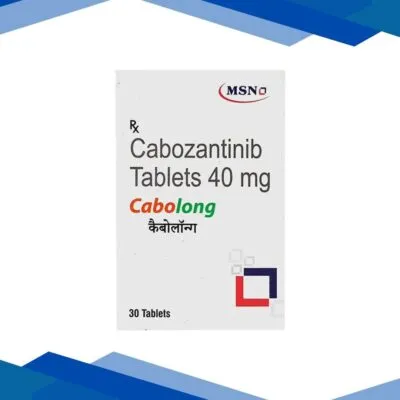
Cabozantinib (Targeted Therapy)
Cabozantinib is a potent, small-molecule-special mentions of a Tyrosine Kinase Inhibitor that targets and inactivates specific proteins (VEGFR MET AXL), which cancer cells use to grow, divide, and develop their own blood vessels. By cutting vascular supply to the tumor and blocking growth signals, Cabozantinib ends up slowing the progression of the disease.
Therapeutic Uses
In particular, this drug is prescribed for:
Renal Cell Carcinoma (RCC) metastasized to a higher stage: Kidney cancer.
Hepatocellular Carcinoma (HCC): A common liver cancer that is most likely already previously treated with sorafenib.
Differentiated Thyroid Carcinoma (DTC): Nearly all cases which have advanced after further therapy and are radioactive iodine refractory.
Way It Works
Cabozantinib has multiple objectives toward cancer cell targeting:
Antiangiogenesis: These agents block VEGF, so that tumors cannot mount their own blood supply to make vessels to survive.
Growth Inhibition: This drug acts on the MET and AXL pathways, combating which is often up-regulated in cancer cells, contributing to drug resistance and metastasis.
DOSAGE AND ADMINISTRATION
Formulation: Tablets- e.g. Cabometyx and capsules- e.g. Cometriq. Note that these forms are not interchangeable; in other words, always take the particular agent prescribed.
Timing: Take on an empty stomach; avoid eating for at least 2 hours before and 1 hour after dosing.
Method: Swallow tablet/capsule whole with at least 8 ounces (1 cup) of water. Do not chew, break, or crush tablets.
Consistency: Take at the same time every day to evenly keep it in the blood
Common Side Effects
Cabozantinib has some systemic effects while effective. Most can be managed with supportive care:
Fatigue: Severe lack of energy and tiredness.
Notice something fishy: Diarrhea, nausea, vomiting, and decreased appetite.
Hand-and-Foot Syndrome: redness, swelling, or pain in the palms of the hands and soles of the feet.
High blood pressure: Monitoring of blood pressure (blood pressure is to be luxuriously high).
Changes in Taste: metallic taste in the mouth or complete indifference to food.
Possible Precautions & Warnings
Impaired Healing: Drug enforces work to your detriment regarding body healing; before surgery or dental procedures scheduled, the drug has to be ceased at least 3 weeks (21–28 days) ahead of the time.
Risk of Bleeding. Report to the doctor if you notice any easy bruising, black/tarry stools, bleeding from the nostrils, or continuous nosebleeds.
Don’t Eat Grapefruit: It is not a good idea to eat grapefruits or have products containing grapefruit while using this medication, as they can significantly amplify the dosage of the drug within your body resulting in toxicity.
Pregnancy: Cabozantinib can harm the fetus if taken during pregnancy. Use effective contraception during therapy and at least four months afterwards.
Frequently Asked Questions (FAQs)
A: Cabozantinib is a type of chemotherapy, is it?
No, Cabozantinib is a targeted therapy. Different from the established principles of chemotherapy, which simply kill every rapidly dividing cell, including healthy cells, the design of a targeted therapy is that it sharpens in on cancer cells and carries out its unique mission by way of proteins and signaling pathways.
Q: In case I miss a dose, what will I do next?
If more than 12 hours remain until the next dose, take the missed dose, and begin with the next dose as previously planned; if less than 12 hours remain, skip the missed dose and continue with your regular dosing schedule. Double dosing is utterly wrong.
Q: Why do I have to take it on an empty stomach?
The most important concern is food; hence, absorption of the drug can be accelerated by food, especially through a high-fat meal, thereby significantly increasing the incidence of adverse reactions. Abiding by the “2 hours before, 1 hour after” rule guarantees the appropriate and predictable drug level.
Q: Can I take antacids with Cabozantinib survival data?
Some antacids may lead to an alteration in the absorption of some chemotherapy drugs. Patients need to discuss with their writing oncologist before taking PPIs. In their place, H2 blockers or local antacids are preferred at the correct time.
Q: Will I lose my hair?
Complete baldness is a rare occurrence with cabozantinib, even though some patients may experience thinning or altered coloration (lightening) of their hair during treatment.