
Showing the single result
Filter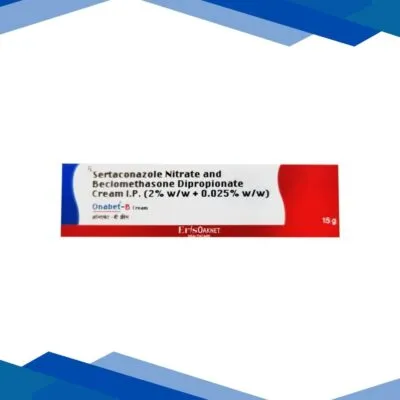
Onabet B Cream 15gm
Beclomethasone + Sertaconazole Cream page kinda thing: Uses Side Effects Price, and the other side effects too
Beclomethasone + Sertaconazole is a dual-action prescription cream meant for fungal skin infections where inflammation is high, like redness, eczema-like patches, burning itch, or that raw irritated feeling. It works with two main actives together, so the fungus gets targeted while the steroid calms the swelling and itch quicker, which helps your skin settle faster, even if the condition started nasty.
What’s inside, and how it works
Fungal problems often push the immune system into overdrive, so skin becomes inflamed, irritated, and itchy. This topical combination uses two different mechanisms, in a way that feels almost like, first stop the outbreak then reduce the flare.
Sertaconazole (antifungal)
A member of the imidazole antifungal group. It interferes with ergosterol formation, which is a key part of the fungal cell membrane. When ergosterol is disrupted, the fungal membrane becomes unstable, and the organism dies off.
Beclomethasone (corticosteroid)
A mild to moderate topical steroid that acts intracellularly. It helps reduce local chemical mediators, including prostaglandins and histamines, which normally drive vasodilation and inflammation. That reduction can lessen erythema (redness), edema (swelling), and persistent itching.
Where it’s usually used
Doctors typically prescribe this combination for conditions like:
- Ringworm (Tinea Corporis) and Jock Itch (Tinea Cruris) when itching is severe and scratching has already caused secondary irritation
- Athlete’s Foot (Tinea Pedis), especially infections between the toes and web spaces
- Infected eczema or dermatitis, meaning an eczematous patch that has become secondarily fungal, with scaling, oozing, or strong redness
How to apply, for best results and safer use
To keep the treatment effective, and not accidentally spread the fungus, follow this basic routine:
1) Cleanse and dry
Wash the affected area gently with a mild cleanser and pat it completely dry. Do this before you apply the cream, because moisture can worsen fungal spread.
2) Apply thinly
Squeeze a small amount on a fingertip. Spread a thin layer over the infected area, and extend coverage about one inch beyond the visible border.
3) Hand hygiene
Wash your hands well with soap before and after application. This is important, because fungi can travel to other body areas or to other people.
4) External use warning
This cream is strictly for topical external use only. Avoid eyes, nose, mouth, inside the ears, and the vaginal area. If you get it somewhere unintended, rinse immediately with plenty of cold water.
Possible side effects
Because there is a corticosteroid in the formulation, side effects are usually related to local skin response or to overuse.
Common at the application site
- Transient burning or stinging right after applying
- Mild dryness or peeling
- Mild irritation or tenderness
More concerning risks with prolonged or incorrect use
If you use it longer than advised, or cover the treated area with airtight occlusive coverings (like tight bandaging), systemic steroid absorption may increase. This can contribute to:
- Skin thinning (atrophy)
- Stretch marks (striae)
- Changes in skin pigmentation
- Unusual or excessive hair growth at the application site
Safety and lifestyle guidance (quick view)
Parameter | Safety status | Clinical note
Pregnancy | ⚠️ Use with Caution | Use only if your dermatologist decides benefit clearly outweighs risk, do not self start.
Breastfeeding | ⚠️ Caution | It is not known whether topical use leads to meaningful absorption into breast milk. Do not apply on or near the breasts before nursing.
Bandaging / dressings | ❌ Contraindicated | Do not wrap or cover the area unless your physician orders it, since occlusion can intensify steroid potency.
Face application | ❌ Not Recommended | Avoid using on face unless supervised, facial skin is more prone to steroid-induced thinning and flare like rosacea.
Frequently Asked Questions (FAQs)
Q1: Can I stop when itching stops?
No. You should complete the exact duration your doctor prescribed. The steroid part (Beclomethasone) can calm itch and redness in a couple of days, but fungal spores can remain. Stopping early can allow surviving fungus to regrow and cause relapse that is harder to clear.
Q2: Is it okay for diaper rash in infants?
No. This combination is generally not recommended for children under 12 years unless a pediatrician specifically directs it. Infant skin absorbs topical steroids faster, and keeping it sealed under a diaper can raise the chance of systemic side effects.
Q3: How long until I should judge if it’s working?
You should usually see reduced inflammation and itching within 3 to 5 days. If there is no clear improvement, or symptoms worsen after about 2 weeks of consistent use, contact your dermatologist for re-evaluation and diagnosis check.
Q4: Can it be used on facial acne or pimples?
No. Do not use this for acne. The corticosteroid portion can worsen acne vulgaris, increase facial redness (including rosacea tendency), and may contribute to perioral dermatitis.
Q5: What habits can help recovery from fungal infection?
Fungi tend to like warm, damp, and dark conditions. To support treatment, wear loose cotton clothing, change out of sweaty gym clothes quickly, wash towels and bedsheets regularly in hot water, and avoid sharing personal hygiene items like towels, combs, or similar items with others.