
Showing the single result
Filter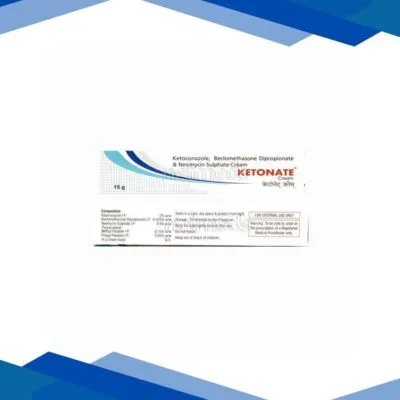
Ketonate Cream 15gm
Beclomethasone, Ketoconazole & Neomycin Cream : Comprehensive Triple-Action Topical Therapy
This kind of specialized dermatological formulation kind of blends a corticosteroid, an antifungal, and a broad-spectrum antibiotic so it can deliver targeted relief for complicated skin problems. It’s clinically used for inflammatory skin diseases (dermatoses) that are either already tangled with , or strongly likely to develop, secondary fungal and bacterial infections. By calming the irritation, controlling fungal growth, and reducing bacterial colonization all at once, this cream tends to bring fairly fast symptomatic comfort while also addressing the original source of infection.
How the Active Ingredients Work
This combination cream uses three separate pharmacological routes to help restore better skin condition:
Beclomethasone Dipropionate (0.025% w/w): A fairly potent topical corticosteroid. It suppresses the inflammatory response. It limits the release of inflammatory mediators (such as prostaglandins and leukotrienes), and it also reduces local capillary dilation. Together these effects can quickly lower swelling, heavy itching, and redness around the affected area, even when the skin is clearly irritated or infected.
Ketoconazole (2% w/w): A highly effective broad-spectrum imidazole antifungal. It interrupts the synthesis of ergosterol which is an essential part of fungal cell membranes. When ergosterol formation is disturbed, the membrane’s structure weakens, membrane permeability goes up, then fungal cells can lose important nutrients and their growth becomes slowed , or basically stopped.
Neomycin Sulfate (0.5% w/w): A strong aminoglycoside antibiotic focused on bacterial pathogens. It attaches irreversibly to the 30S ribosomal subunit in susceptible bacteria, so protein synthesis is disrupted. That blocks bacterial multiplication and helps clear out secondary superficial bacterial overgrowth.
Primary Clinical Applications
Infected Eczema & Dermatitis: Helps calm intense flare-ups of eczema, contact dermatitis, or seborrheic dermatitis, especially when rubbing or scratching, has introduced secondary microbial involvement.
Mixed Skin Infections: (text incomplete in source)