
Showing all 10 resultsSorted by popularity
Filter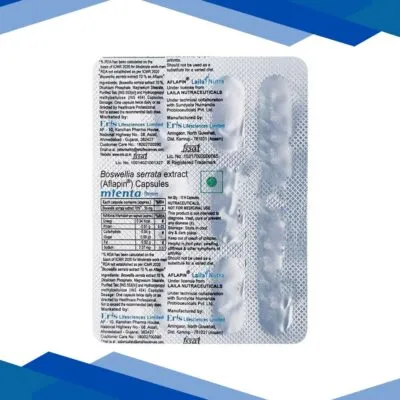
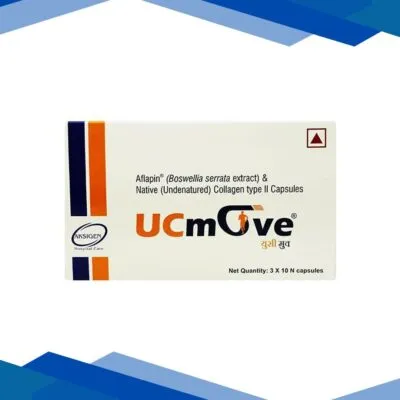
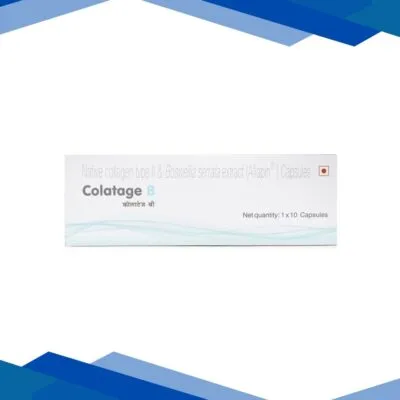
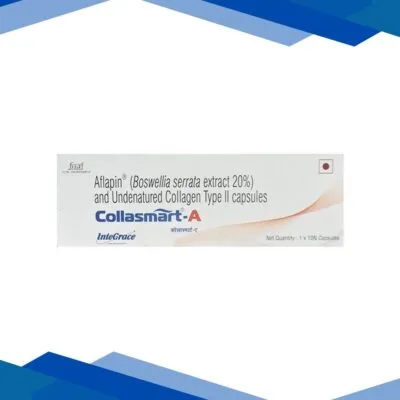
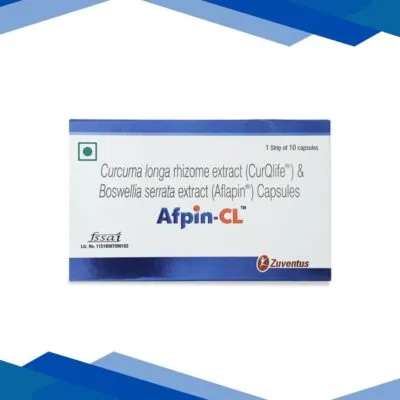
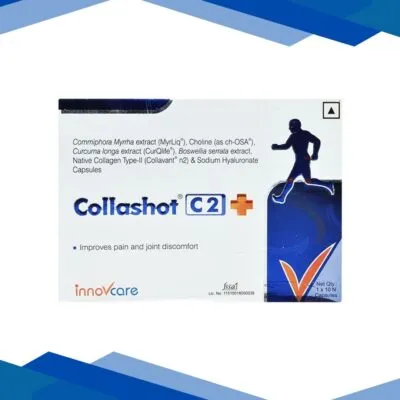
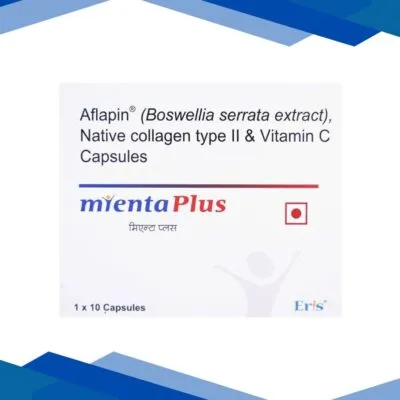
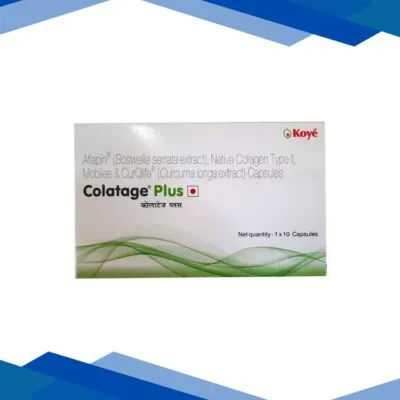
COLATAGE PLUS Capsule 10’s
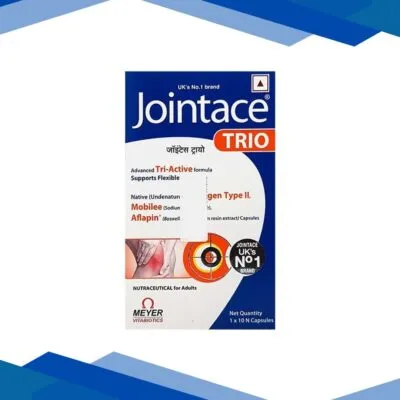
JOINTACE TRIO Capsule 10’s

Aflapin 50 mg / 100 mg Capsule
Aflapin is a really bioavailable, patented blend coming from the gum resin of the Boswellia serrata tree, which is also called Indian Frankincense. It is standardized to include at least 20% 3-O-acetyl-11-keto-beta-boswellic acid (AKBA), so it works as a strong, non-sedating, natural anti-inflammatory agent. People often use it as a supportive mobility supplement for joint soreness, swelling, and the cartilage wear that shows up with long-term degenerative joint problems.
Therapeutic Class: Joint Pain Suppressant / Anti-arthritic Supplements
Active Composition: Boswellia serrata extract (Aflapin), NLT 20% AKBA
Habit-Forming: No
Prescription Status: Offered as an advanced nutritional supplement under physician guidance
Primary Uses & Clinical Benefits
1. Rapid Relief with Osteoarthritis (OA)
Aflapin focuses on localized pain areas in people with mild-to-moderate knee, hip, or spinal osteoarthritis. In clinical studies, many patients showed clear improvements in physical joint score rankings within 5 days from starting therapy.
2. Helps Ease Joint Stiffness and Swelling
By calming the biological markers linked with chronic cellular swelling, this extract may bring back morning flexibility, letting you do daily actions, like walking or climbing stairs, with noticeably less discomfort.
3. Supports Active Cartilage Preservation
Unlike basic analgesics that only hide pain signals, Aflapin helps interrupt the chemical breakdown of the collagen network within your joints, which supports the cushion layers against ongoing, age-related deterioration.
Mechanism of Action: How It Works
The “core trick” of Aflapin is its focused action at the cellular level. When joints experience daily wear and tear, an enzyme called 5-lipoxygenase (5-LOX) pushes the creation of leukotrienes, those problematic compounds behind localized inflammation, throbbing discomfort, and stiffness.
AKBA, the active ingredient in Aflapin, works as a selective inhibitor of the 5-LOX pathway. It also helps suppress Matrix Metalloproteinase-3 (MMP-3), a destructive enzyme involved in digesting articular cartilage. When this enzyme cascade is disrupted, Aflapin can reduce painful inflammation while also shielding soft protective tissues around the bone.
Proper Administration & Recommended Dosing
Standard Therapeutic Dosage: Most adults take 50 mg to 100 mg each day. Usually it is split into one capsule once or twice daily, or strictly according to your orthopedic specialist.
How to consume: Swallow the capsule whole with a full glass of water. Do not open, crush, or chew the capsule shell.
Dietary Consistency: It is recommended to take Aflapin with a morning or evening meal. Using it with food helps the absorption of its fat-soluble boswellic acids, and it may reduce minor digestive adjustments.
Potential Side Effects
Because Aflapin is a plant-derived product, it is generally very well tolerated over long durations, and it tends to have a cleaner safety profile than many synthetic painkillers. Still, small changes can sometimes show up.
Common or Mild Side Effects:
- Mild nausea or a light feeling of indigestion
- Stomach cramps or bloating
- Heartburn or short-lived loose stools
- Mild headaches, or occasional dizziness
Rare Adverse Reactions (Stop use and consult your physician immediately):
- Unexpected skin rashes, hives, or localized itching
- Severe stomach irritation if you have a history of deep ulcers
Safety Guidelines & Precautions
| Patient Profile | Safety Assessment | Clinical Directives & Recommendations |
|---|---|---|
| Alcohol Intake | ⚠️ Caution | It is generally wise to limit heavy alcohol intake while using joint supplements, so overlapping stomach acidity or gut irritation is less likely. |
| Pregnancy | ❌ Unsafe | Because long-term human safety studies are limited during pregnancy, Aflapin should be avoided by expectant mothers unless directly cleared by their obstetrician. |
| Breastfeeding | ⚠️ Not Recommended | There is not enough science showing whether components move into breast milk. Nursing mothers should use extreme caution and consider alternative options. |
| Pre-Existing Ulcers | ⚠️ High Caution | If you have active stomach ulcers or severe hyperacidity, speak with your doctor before starting any extended regimen. |
Frequently Asked Questions (FAQs)
Q. How is Aflapin different from a regular Boswellia serrata supplement?
Standard Boswellia serrata extracts often show poor oral bioavailability, which means the body absorbs the key pain-relieving compounds less efficiently. Aflapin is blended with the plant’s own non-volatile oils, which boosts systemic absorption of AKBA by more than 50 percent versus basic herbal powders. This can translate into faster, stronger joint relief at lower amounts.
Q. Can I take Aflapin alongside my daily prescription NSAID painkillers?
Yes, but only under medical supervision. NSAIDs (for instance diclofenac or aceclofenac) act by blocking COX enzymes, while Aflapin targets the separate 5-LOX pathway. Since they work on different inflammatory routes, they can often be combined for serious arthritic flare-ups without stacking additional risks for stomach irritation.
Q. How long do I need to take Aflapin before my joint pain improves?
Unlike many traditional supplements that require weeks to build up, clinical data indicates Aflapin may reduce joint tenderness and improve mobility scores as early as 5 days, with consistent uninterrupted use.
Q. Is Aflapin habit-forming, and is it safe for long-term management?
No, it is fully non-habit forming and it does not include narcotic or sedative ingredients. Since it does not create the same cardiovascular, kidney, or gastrointestinal concerns linked to long-term use of synthetic painkillers, it is often viewed as suitable for extended, multi-month management of chronic joint issues.