
Showing the single result
Filter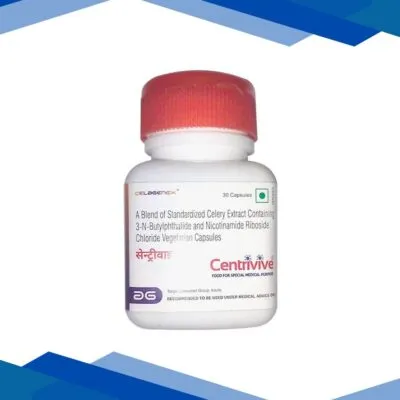
CENTRIVIVE Capsule 30’s
3-N-Butylphthalide: Advanced Neuroprotection for Ischemic Recovery
3-N-Butylphthalide (NBP) exists as a special chemical which scientists developed from Apium graveolens (celery) seeds. Modern clinical neurology uses it as an advanced neuroprotective treatment which helps people recover from ischemic strokes and various cerebrovascular disorders. NBP protects brain tissue from oxygen and nutrient deprivation damage through its multiple protective mechanisms which differ from standard blood-thinning treatments.
Primary Therapeutic Indications
Ischemic Stroke Recovery: Used to improve neurological deficits (such as speech or movement issues) following an acute ischemic stroke.
Microcirculation Support: The treatment increases blood circulation throughout microscopic brain blood vessels while maintaining normal body blood pressure levels.
Mitochondrial Protection: The treatment protects brain cell energy-producing centers from damage that occurs during metabolic stress.
Vascular Dementia: The treatment shows potential to maintain cognitive abilities in patients who experience ongoing difficulties with cerebral blood flow.
How 3-N-Butylphthalide Works
The NBP treatment works by using multiple targets as its main mechanism. The brain experiences oxidative stress when blood flow decreases which results in brain cell damage from both oxidative stress and inflammation.
NBP Interventions
Reconstructing Microcirculation: The process enables blood vessels to open up through their collateral paths which connect two different areas of the body.
Inhibiting Apoptosis: It prevents “programmed cell death” in the areas surrounding a stroke (the penumbra). The product helps prevent excessive brain swelling which normally occurs after a vascular incident.
Safety & Administration Guidelines
Administration: The product exists as a soft capsule or intravenous (IV) infusion which medical facilities use to treat patients.
Hepatic Health: NBP processing through the liver requires monitoring for patients who have severe liver conditions.
Bleeding Risks: While NBP is not a primary anticoagulant, inform your doctor if…