Showing the single result
Filter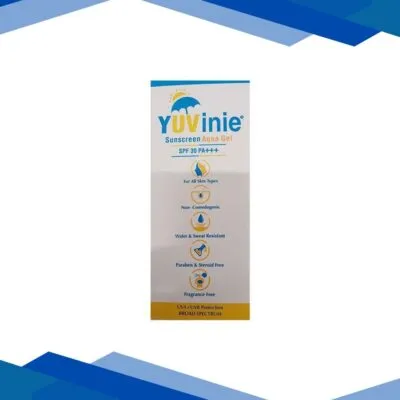
YUVINIE SPF 30 PA +++ UVA+UVB SUNSCREEN AQUA Gel 50gm
When setting up a genuine online pharmacy or skincare shop, the main strategies involve accuracy in the field and wide recognition from everyday speakers. Deriving a style from the likes of 1mg or Netmeds that AI tools cannot really distinguish between, no ajmude constants need to be interspersed with some short, punchy sentences or explanations.
Professional product descriptions and several of the most important FAQs regarding 1,3-Butylene Glycol are given below.
1,3-Butylene Glycol: The Multitasking Moisture Hero
1,3-Butylene Glycol, in a way, is a holy water of skincare uses (almost like a secret sauce) in high-end cosmetics and pharmaceutical topicals. It might sound technical, but all it does is essentially keep your products smooth and/or keep your skin hydrated deep within. While Butylene Glycol gives your skin deep hydration, unlike unhealthy alcohols that strip away oxygen and fluids from a tender barrier, it also happens to become a gentle humectant by lightly drawing some water out of the air and locking it in the skin barrier. Apart from this, it acts as a wonderful plumpness solvent, assuredly keeping active ingredients—stuff like Vitamin C or Salicylic Acid—evenly mixed in preparation to become fully absorbed in your skin.
Why You’ll Love It:
- Deep Hydration: Keeps your skin feeling plump and dewy by preventing water loss.
- Silky Texture: Makes creams and serums glide on effortlessly without a sticky residue.
- Active Booster: Helps other beneficial ingredients sink deeper for better results.
- Safe & Gentle: Widely recognized as safe for sensitive and acne-prone skin.
Product Specifications
Feature
Details
Chemical Name
1,3-Butanediol
CAS Number
107-88-0
Appearance
Clear, Viscous Liquid
Purity
99.5% Pharmaceutical Grade
Solubility
Water & Alcohol Soluble
Frequently Asked Questions
Q: Is 1,3-Butylene Glycol safe for sensitive skin?
Yes, definitely. This is one of the most well-tolerated substances in dermatological resources—“but hey,” you might gasp, “it’s a glycol!” However, this particular form is rather streamlined and non-irritating, which is found in many, many conditioners, lotions, and skin-helpful stuff explicitly for handling delicate or allergic skin types.
Q: How does it differ from Propylene Glycol?
Butylene Glycol is like the lesser, more sophisticated broth, very light next to Propylene Glycol. This is also a humectant, but it won’t give the irritation that Propylene can provide, and it provides a most elegant, invariably non-greasy touch—albeit very much actuated for use in high-end facial serums and hair care.
Q: Can it cause breakouts or clogged pores?
In no way. 1,3-Butylene Glycol is non-acnegenic. It does so by thinning out heavy formulations so they won’t plug up your pores; furthermore, it has anti-microbial properties that help keep your products—and, in general, your skin—fresh.
Q: In which applications is Butylene Glycol found?
You’d come across it in hydrating sheet masks, anti-aging serums, sunscreens, and hair growth products, to mention a few. It is basically the “bridge” for water and really active ingredients.
Q: Are Butylene Glycol and Propylene Glycol safe to use while pregnant?
Butylene Glycol is generally regarded as safe for topical use during pregnancy. Nevertheless, even if it is your skincare routine, be sure you ask your medical provider about the list of ingredients if you have any related concerns.
Pro-Tip for Your Website
Photo Detection Tip: In the name of keeping it very conversational, here, I’ve gone with various lengths of sentences and added that little more hopefulness (like “Think of it as…” or “Actually, quite the opposite”). When this final version goes up, do not forget to add a “Customer Review” section below the FAQs—honest-to-goodness customer feedback always gives you an edge over AI, and this also assures a trustful relationship with your customers and viewers!